The Best Scratching Posts for Indoor Cats: Sisal or Cardboard?
A cat comes into intake having shredded the corner of a couch, and half the time the fix isn’t more posts, it’s the wrong post for that cat’s habits, in the wrong spot, expected to hold up for two years on its own. Give a cat a surface that matches what she already reaches for, in the direction she already scratches, and most of that shredding stops within a couple of weeks. Here are the two posts I’d put in a cart first, and how to tell which one your cat actually wants.
As Amazon Associates we earn from qualifying purchases. Some links in this post are affiliate links; if you buy through them, we earn a small commission at no extra cost to you. We only recommend products we’ve used or researched thoroughly. See our full disclosure.
The picks at a glance

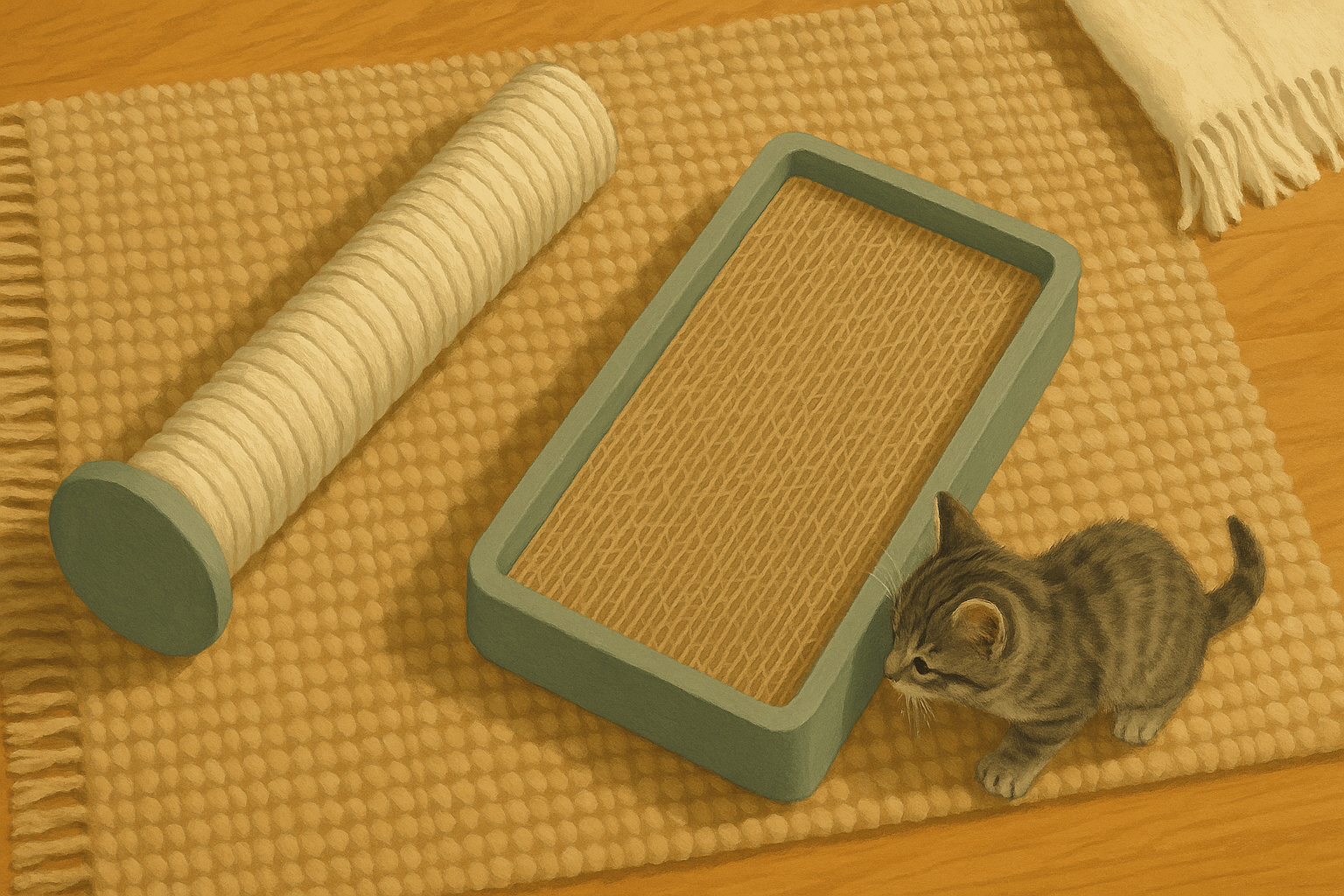
SmartCat Ultimate Scratching Post
Sisal-wrapped · vertical · wall or door mountable
- ✓ Sisal surface, the texture Cornell points to for cats drawn to couches and nubby fabric
- ✓ 32 inches tall, room for a full front-leg stretch
- ✓ Mounts to a wall or door for cats that put real weight into it
on Amazon
Price as of Sep 21, 2026, 9:21 AM EDT. Product prices and availability are accurate as of the date/time indicated and are subject to change.

PetFusion Ultimate Cat Scratch Lounge
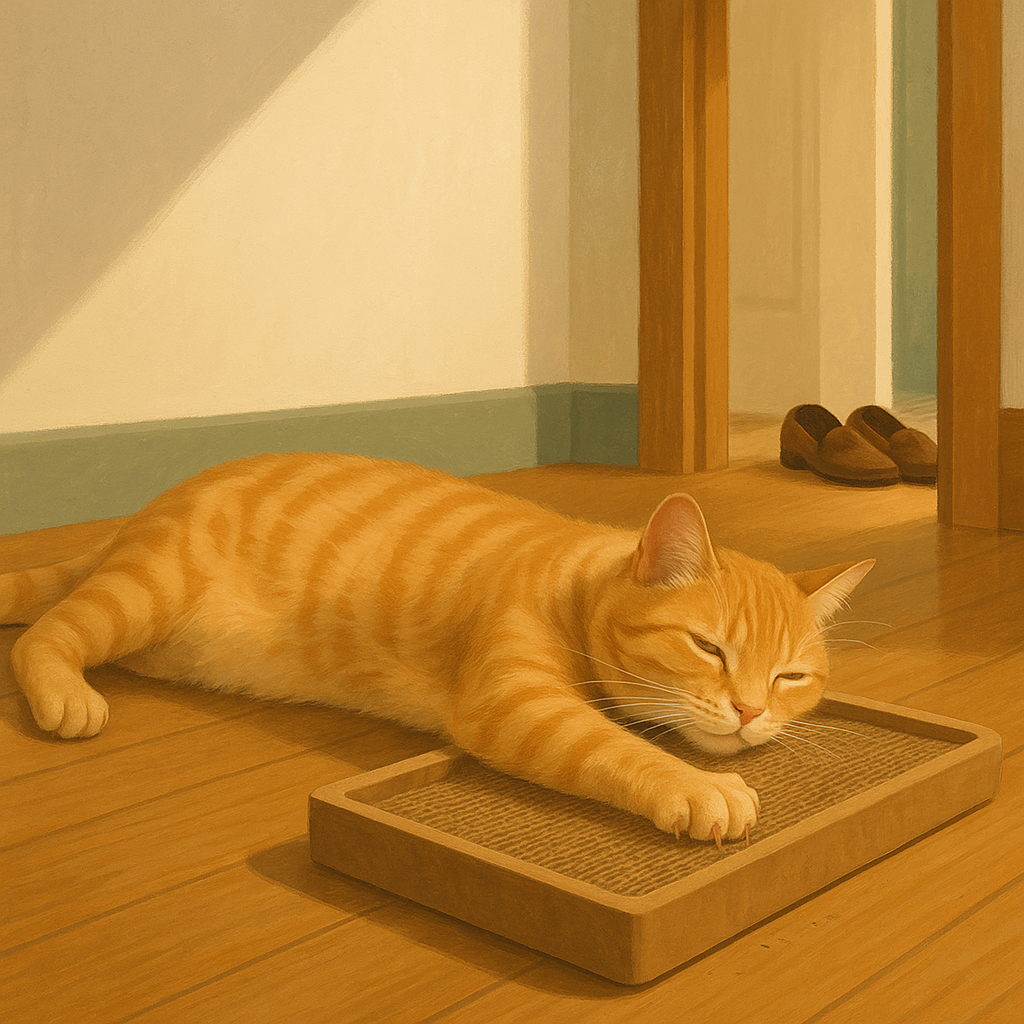
Corrugated cardboard · horizontal · reversible insert
- ✓ Cardboard surface, the material Cornell points to for cats that go after carpet
- ✓ Low, flat shape for cats that stretch out sideways rather than climb
- ✓ Insert flips over when one side wears down, no need to replace the whole lounge
on Amazon
Quick take:
- Watch your cat before you buy anything. Does she stretch up on the couch arm or drop low and rake at the carpet? That tells you vertical or horizontal.1
- Sisal reads as the couch-and-fabric substitute, cardboard reads as the carpet substitute. Pick the material your cat already prefers, not the one that looks nicest in your living room.1
- A worn, shredded post is doing its job. Don’t swap it out for a fresh one until it’s structurally falling apart.1
- Scratching outlets aren’t optional extras. They’re one of the environmental resources cats need for their own sake, not just to protect furniture.2
- One post per cat, minimum, and one near every spot a cat already scratches.
Why the material and the direction matter more than the brand
Scratching isn’t destructive behavior in a cat’s mind. It marks territory with scent from glands in the paw pads, and it strips the worn outer sheath off the claw underneath. Cornell’s veterinary behavior guidance is direct about this: match a cat’s preferred surface, whether that’s wood, fabric, sisal or cardboard, and her preferred scratching direction, vertical or horizontal, before anything else. A mismatched post gets ignored no matter how sturdy it is.1 A cat who stretches tall on the drapes wants a tall post to climb and rake. A cat who rakes low across the carpet wants a flat surface at floor level, not a pole.
At the shelter, I’d watch a cat work a room for a day before recommending anything. The couch-scratchers went for sisal every time. The carpet-scratchers barely glanced at a sisal post and went straight back to the rug until a flat cardboard piece showed up nearby. Most households only need one of each, placed where the habit already happens, not wherever there’s floor space to spare.
If your cat still ignores it
Put the post next to whatever your cat is currently scratching instead, even if that means an ugly month of a scratching post parked in front of the couch. Once she’s using it consistently, you can walk it a few inches at a time toward where you’d rather it live. Rub a little catnip into the sisal or cardboard the first week, and reward her with a treat the moment she uses it. Don’t throw out a post because it looks ragged. A shredded, fraying surface means it’s doing exactly what it’s for, and swapping it for a pristine replacement can send a cat right back to the furniture.1
When to talk to your vet
Normal scratching is steady and doesn’t change much over time. A sudden jump in how often or how hard a cat scratches, especially paired with hiding, new aggression or skipping the litter box, is worth a vet visit before you assume it’s a furniture problem. Pain, skin irritation and general stress can all show up as a spike in scratching, and scratching outlets are only one piece of what the AAFP and ISFM’s feline environmental guidelines call the resources a cat needs spread through the home, alongside separated food, water, resting spots and litter boxes.2 If the behavior change is sudden rather than gradual, that’s the signal to call your vet rather than buy a third post.
The bottom line
Most homes do fine with one tall sisal post for the climbers and one low cardboard lounge for the floor-rakers, placed where the cat already scratches and left alone once they’re worn in. Match the material and the direction first. Everything else, including price and looks, is a distant second.