
Cat health, explained. Real research. Real homes.
We dig through veterinary research and translate it into plain language. Every health and behavior claim cites a source. Built for indoor cat owners tired of generic content.
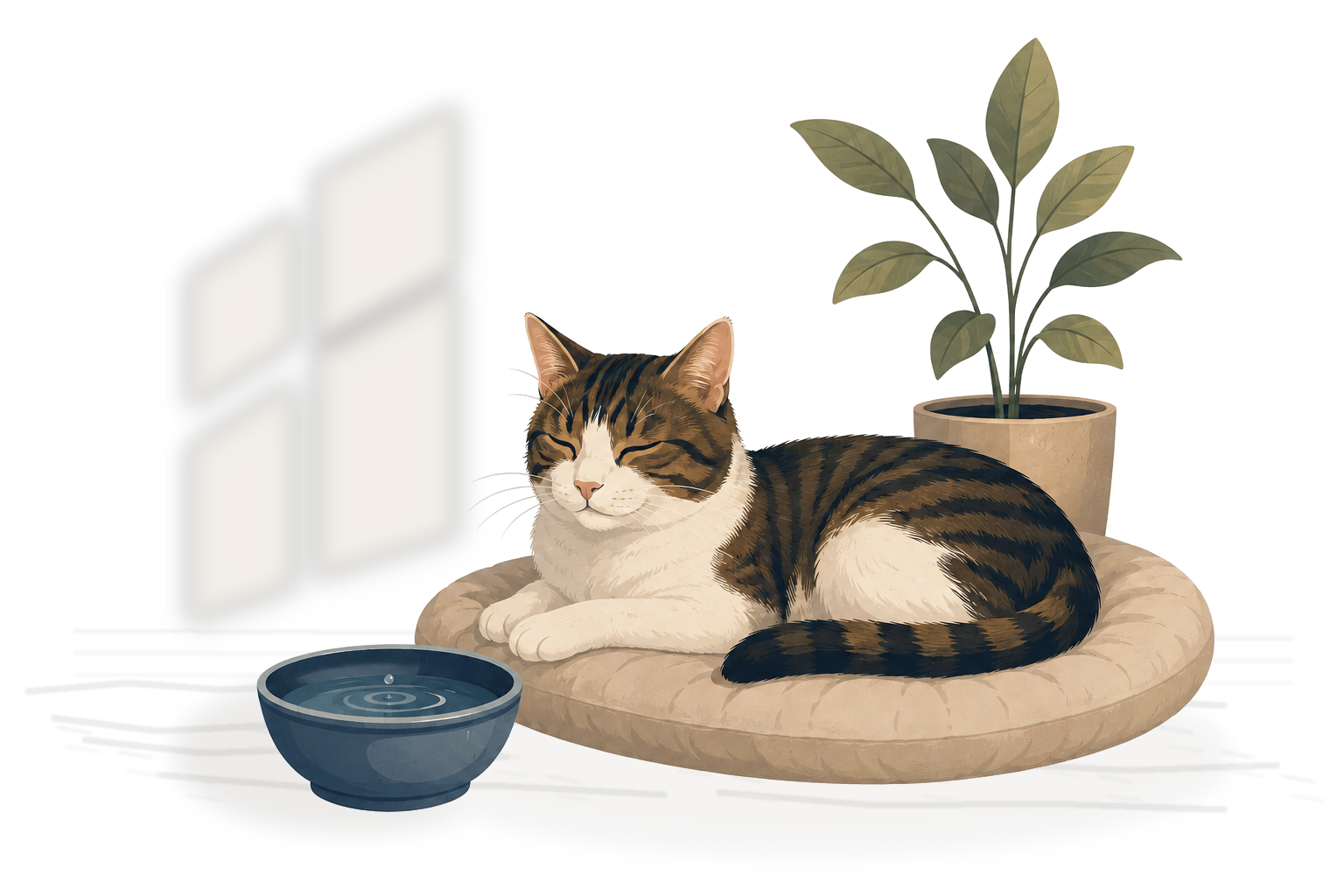
The four issues that hit indoor cats most
Plain-language guides covering the most common (and most preventable) issues indoor cats deal with. Research-backed, sources linked at every claim.

Why Your Cat Isn’t Drinking Water
Most cats are quietly dehydrated. The evolutionary reason behind it, and what works to fix it.

Litter Box Smell & Stool Issues
When something smells off, something usually is. How to read the litter box like the vet would.

Hairballs & Excessive Shedding
Not all shedding is normal. When hairballs are a nuisance vs. a warning sign worth acting on.

Scratching, Anxiety & Multi-Cat Dynamics
Indoor cats are behaviorally complex because they’re indoor. What helps, and what just wastes your money.
Recently published
Hydration, digestion, coat and skin and behavior: the latest article from each pillar.
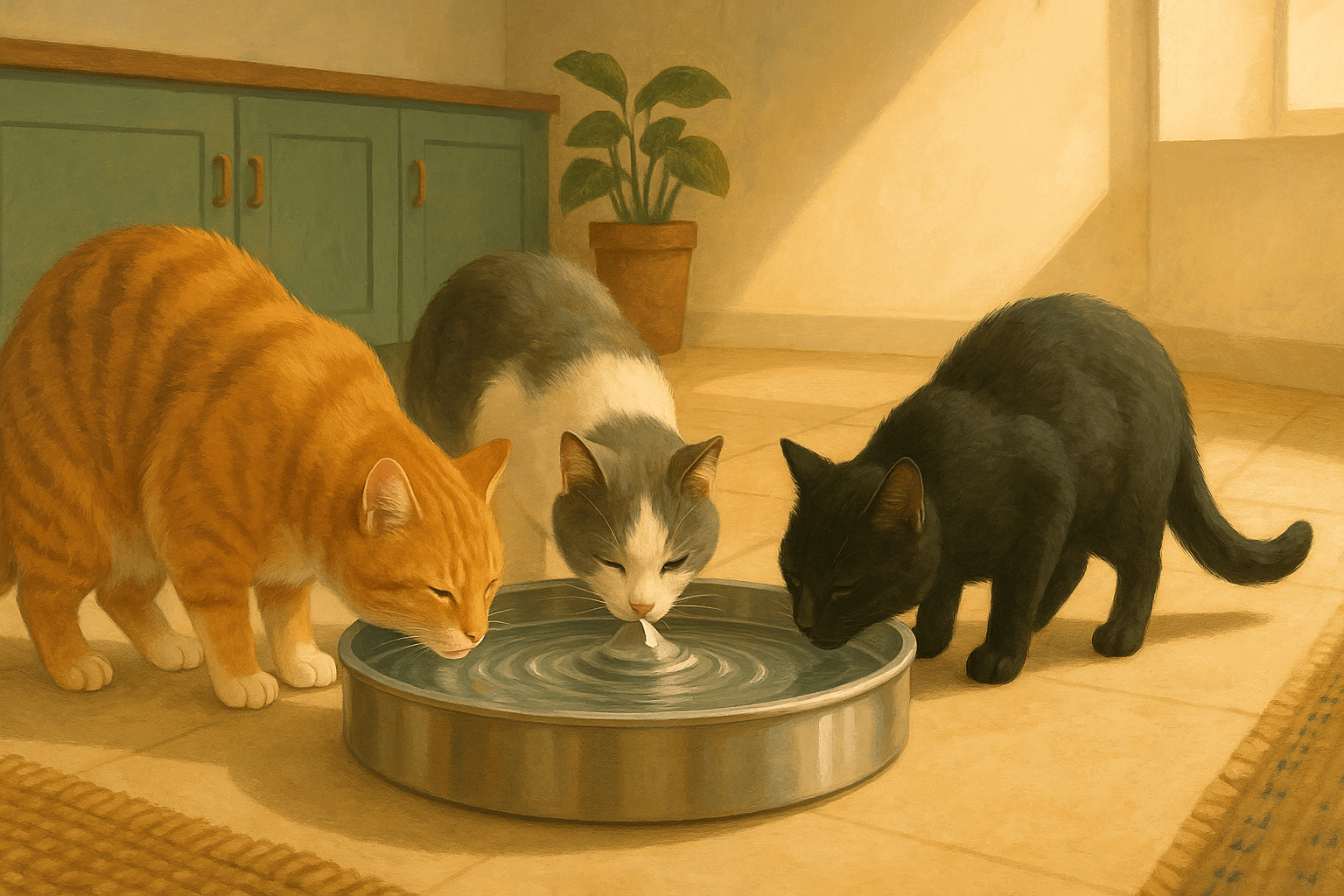
Best multi-cat water stations
A cordless fountain built for flexible placement versus a true bulk-capacity station built for three or more cats, plus the AAFP research on why spreading water sources across the home matters as much as tank size.
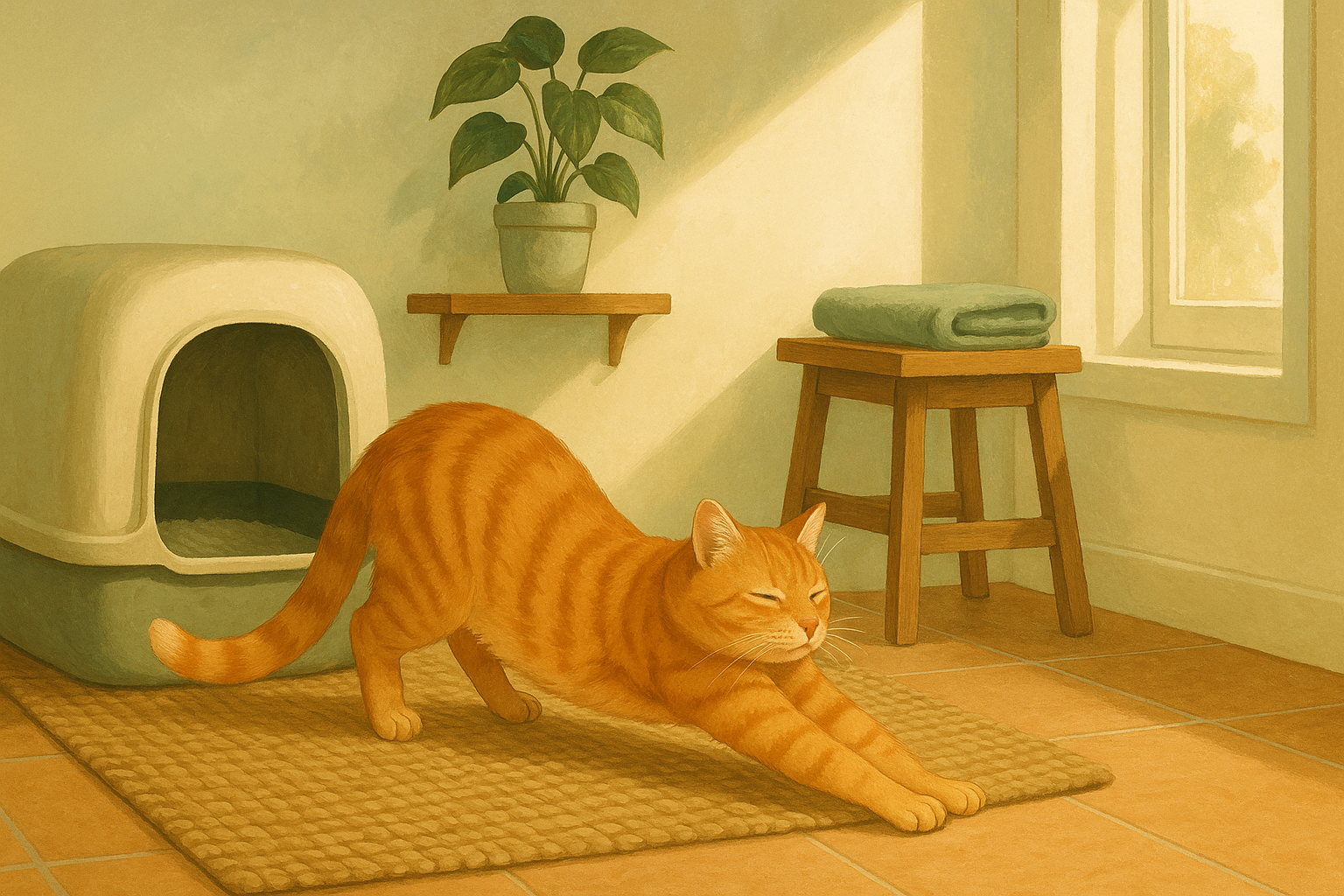
Royal Canin Gastrointestinal vs Hill’s Prescription Diet i/d: which vet-recommended GI diet fits your cat?
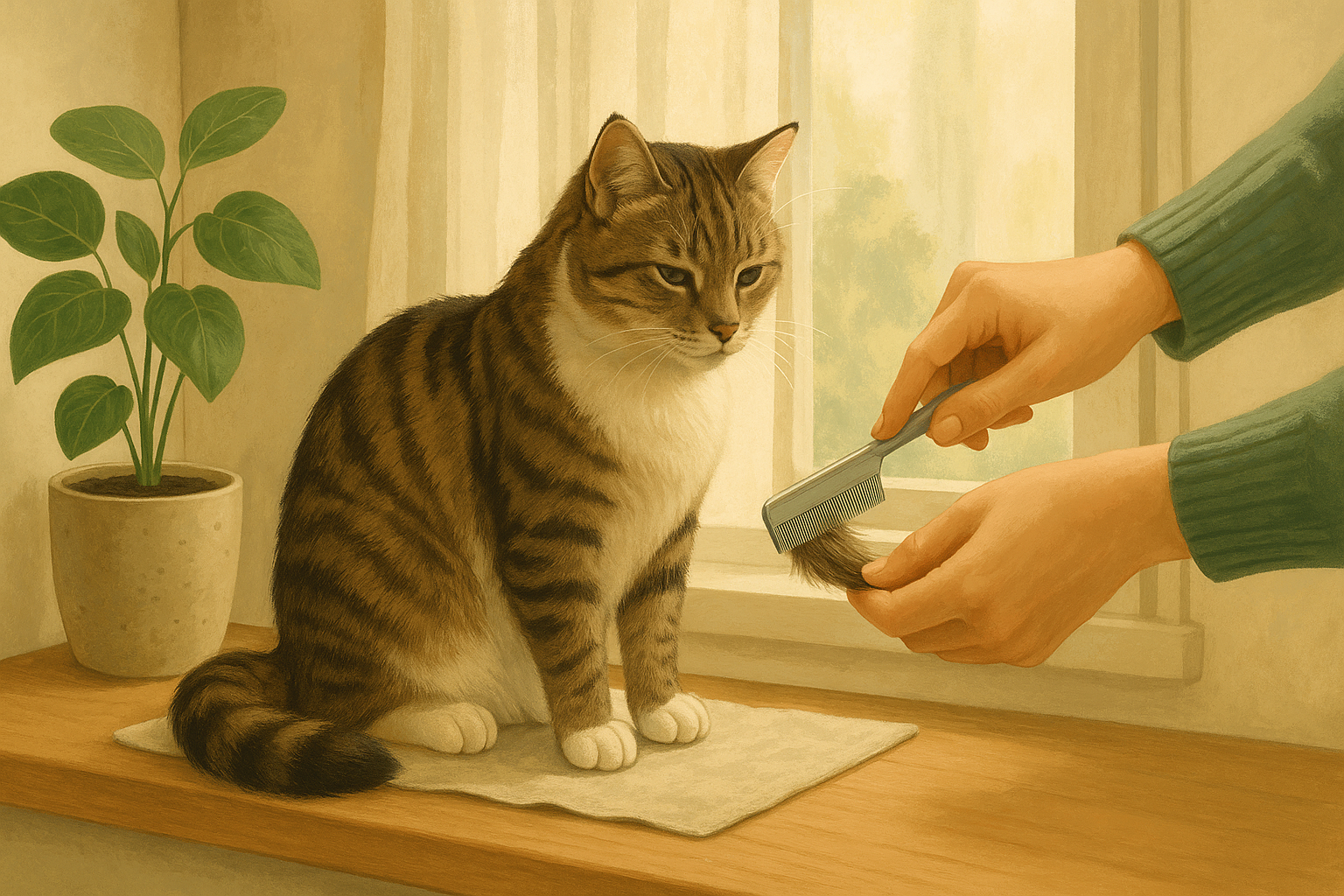
Best Flea Treatments for Cats (No Prescription Required)

Best interactive cat toys for indoor cats
Researched, cited, plain.
No fluff.
Every health and behavior claim on TheCatWellness links to a primary source. We pull from Cornell Feline Health Center, AAFP, AVMA, peer-reviewed journals, authoritative veterinary publications and vast personal experience caring for cats. We’re not vets. When something needs a vet’s call, we say so plainly.
Sources
- Cornell Feline Health Center — Chronic Kidney Disease. Up to 40% of cats over the age of 10 develop chronic kidney disease. vet.cornell.edu
- Cornell Feline Health Center — Hydration. Daily fluid requirement and dehydration thresholds for cats. vet.cornell.edu