What to expect from a Ragdoll cat
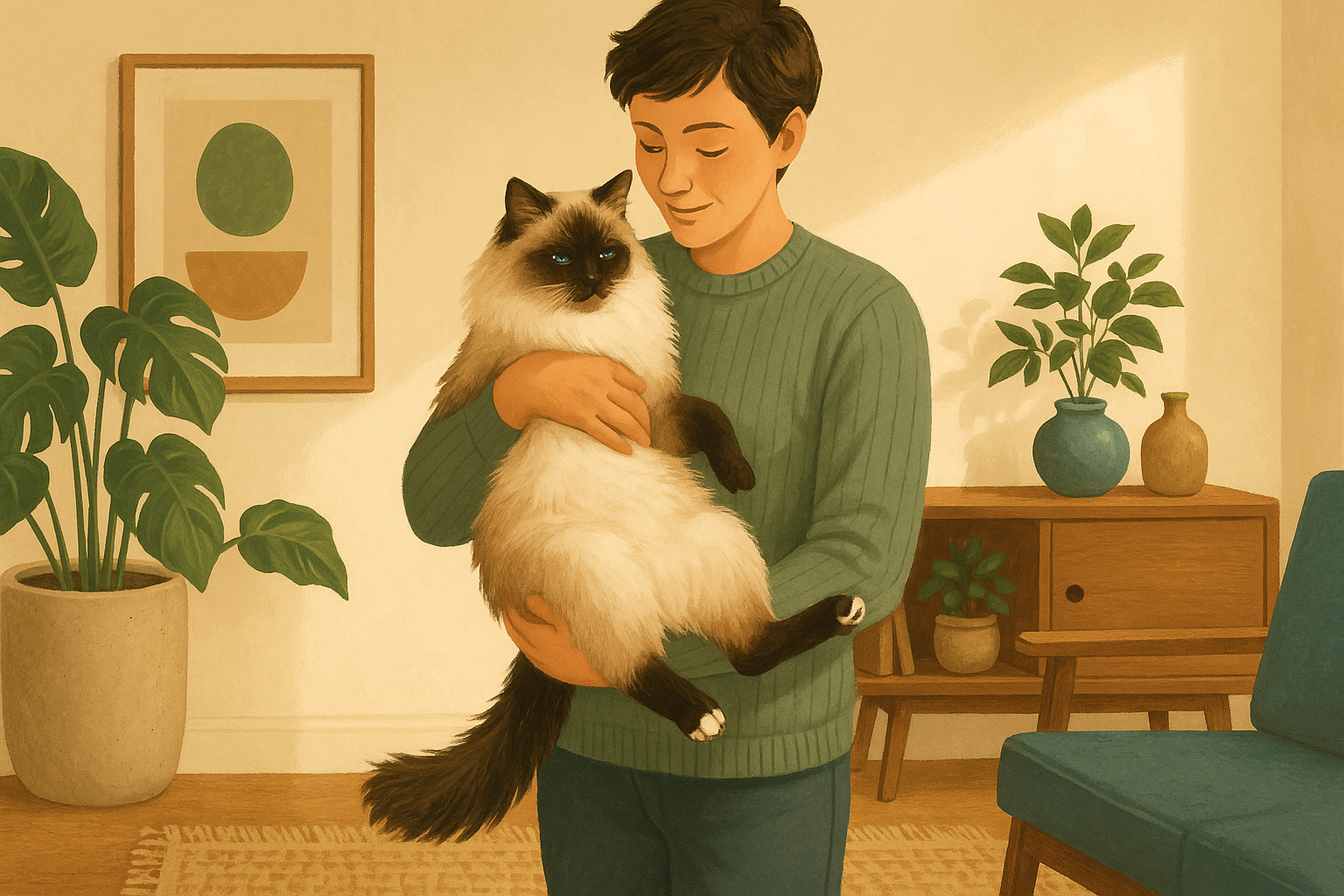
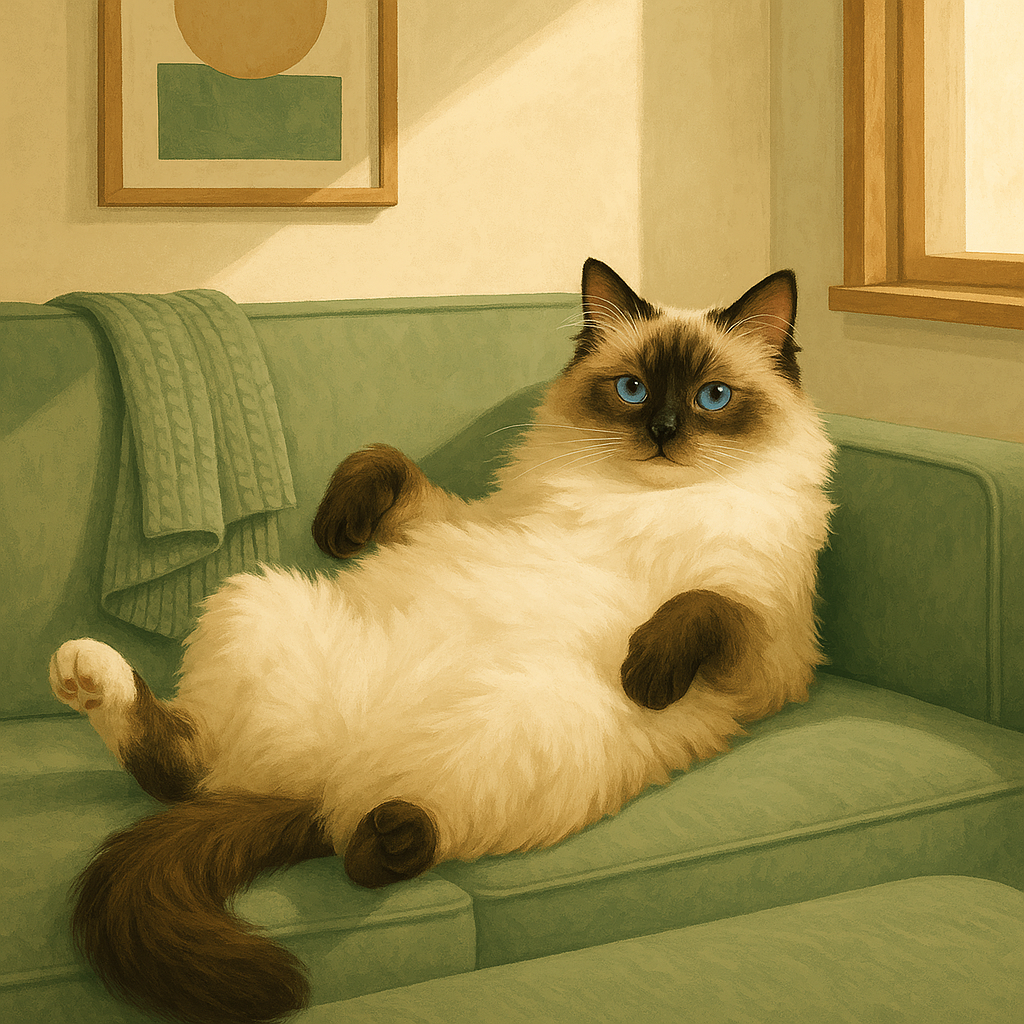
The first Ragdoll I met at the rescue came in as an owner surrender, a big seal-point male named Waffle whose family was moving overseas. Most cats spend their first day at the shelter pressed into the back corner of the kennel. Waffle rolled onto his side, blinked up at me with those deep blue eyes and waited to be picked up. When I lifted him he went soft and heavy in my arms, all twelve pounds of him draped over my elbow like a folded blanket. That is the Ragdoll in one moment. If you are bringing one home or thinking about it, here is what living with this breed actually looks like.
What to expect, in short
- A large, slow-growing cat. Males often pass 20 pounds and the breed keeps filling out until about four years old.1
- An unusually docile, people-focused temperament. Ragdolls greet you at the door, follow you room to room and many will learn to fetch.1
- A silky semi-long coat that mats far less than most longhairs. A comb-through once or twice a week covers it.1
- One inherited health issue worth planning around: hypertrophic cardiomyopathy, a heart-muscle disease the breed carries a specific gene for.2
- A strong indoor cat. Their trusting nature makes the outdoors a poor fit.
- A healthy appetite that tips toward weight gain if you free-feed.1
A big cat that grows up slowly
People are often surprised by the size. Ragdolls are one of the larger breeds, with a broad chest, a long muscular body and heavy boning to match.1 A mature male reaching or passing 20 pounds is normal, and females run smaller but still substantial. The part that catches new owners off guard is the timeline. This is a slow-maturing breed. The coat and color keep developing through the first couple of years, and full size and weight arrive around four.1 So the lanky, half-grown cat you bring home at a year old is nowhere near done. Plan for a cat that needs a sturdy scratching post, a litter box with room to turn around and a carrier sized for the adult it will become, not the kitten it is now.
The temperament is the whole point
If you want a cat that treats you like furniture, this is the wrong breed. Ragdolls are loving without being pushy, gentle and sociable, and owners often describe them as kittens that never quite grow up.1 Waffle followed his foster around the house and slept against her back every night. That is standard. You can expect a Ragdoll to meet you when you come home, stay close while you work and settle in for the evening wherever you land. Many sleep in the bed. A lot of them are trainable too, and will learn to come when called or bring back a toy.1 They tend to be quiet, saving a soft mew for when they really want your attention.1
The name has a story worth telling honestly, because it gets oversold. The breed was developed in the 1960s by Ann Baker in Riverside, California, from a foundation cat named Josephine. Baker said Josephine was so placid she went limp when held, and that trait gave the breed its name.1 You will see this repeated as though every Ragdoll turns to jelly the second you lift it. The registry is clear that going fully limp is not typical of most Ragdolls today.1 Plenty of them relax more than the average cat when you pick them up, Waffle certainly did, but treat the full ragdoll-flop as a charming exception rather than a promise.
Why they belong indoors
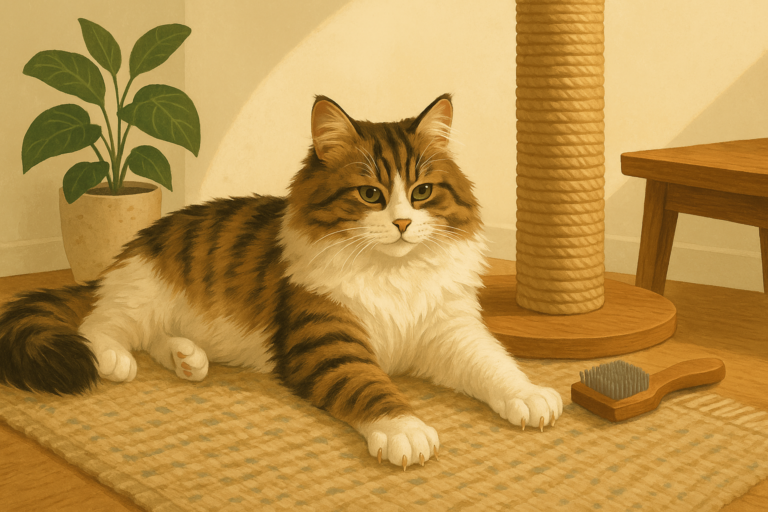
The same traits that make Ragdolls wonderful housemates make them poorly suited to roaming outside. A cat that trusts everyone, rarely acts aggressive and ambles up to strangers has none of the wariness that keeps street cats alive.1 That trusting nature is also why the registry advises introducing a Ragdoll carefully to existing pets who might not be as gentle in return.1 The good news for apartment dwellers is that they adapt easily and do not need much square footage.1 They are moderately active, happy with a couple of short play sessions a day and content to spend the rest of it near you on the couch. A window perch, a tall scratching post and a daily wand-toy session give an indoor Ragdoll everything it needs.
The coat is easier than it looks
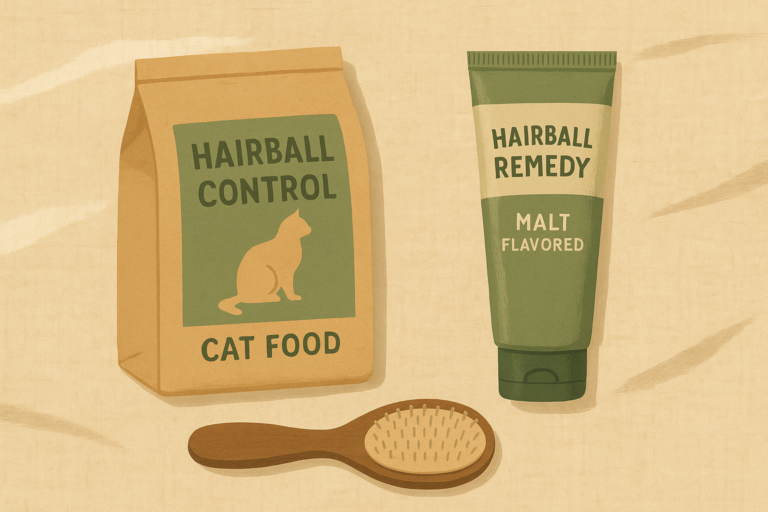
A semi-long coat sounds like a grooming project. With this breed it mostly is not. The Ragdoll coat is made up largely of guard hairs with little of the thick woolly undercoat that drives matting in other longhairs, which gives it that soft silky feel and keeps tangles down.1 A comb-through once or twice a week with a steel comb finds any loose hair or small knots before they become a problem.1 Expect a heavier shed when the seasons turn. The bigger favor you can do a Ragdoll is to start handling and combing early, while it is a kitten, so the weekly session is something it leans into rather than tolerates.
The one health issue to plan around
Ragdolls are a fairly healthy breed, but there is one condition every prospective owner should understand before they fall for a pair of blue eyes: hypertrophic cardiomyopathy, or HCM. It is the most common heart disease in cats, a thickening of the left ventricle wall that can lead to heart failure, blood clots or sudden death.3 Ragdolls carry a breed-specific mutation linked to it, a change called R820W in the MYBPC3 gene.2
Here is the part that matters when you are choosing a kitten. The mutation is inherited in an autosomal dominant pattern with incomplete penetrance, which is a technical way of saying the genetics are not a straight line.2 Cats with two copies of the mutation are at high risk of severe HCM, often showing signs between one and two years of age, with a greater chance of early cardiac death. Cats with a single copy usually show no signs and may live a normal lifespan.2 A DNA test for the R820W mutation exists, and responsible breeders test their cats and work carriers out of their lines.2 So the single best question you can ask a breeder is whether the parents have been screened for HCM. A rescue Ragdoll like Waffle may not come with that paperwork, which makes the vet screening below more important.
Watch the waistline
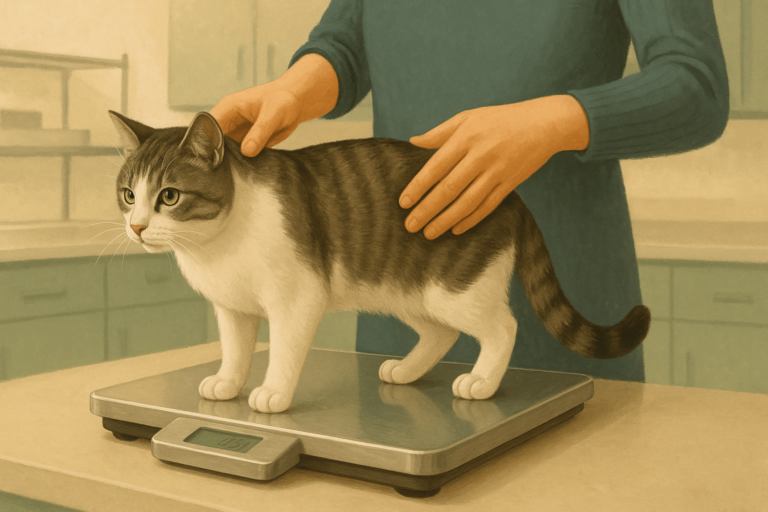
Ragdolls love their food, and a big relaxed cat that would rather nap than chase things can put on weight quietly.1 Extra pounds are hard on any cat, and they are especially unwelcome on a breed already carrying a heart risk. Feed measured meals rather than leaving a bowl down all day, weigh your cat now and then so a slow gain does not sneak past you and build in the daily play that a mellow Ragdoll will not demand on its own. A food puzzle or a scatter feed turns dinner into the light exercise this breed tends to skip.
When to talk to your vet
Because HCM often develops silently, the most useful thing you can do is get your Ragdoll screened. Echocardiography, an ultrasound of the heart, is the gold-standard test and is non-invasive and usually well tolerated.3 Ask your vet about a baseline heart check, especially if you do not have breeder testing history. Between visits, call your vet promptly if you notice fast or labored breathing, unusual lethargy or a drop in appetite, since those are the signs cats tend to show once heart disease progresses.3 One sign is a true emergency: sudden crying with a painful, dragging or paralyzed back leg can mean a blood clot, a known and devastating complication of HCM, and it needs a vet the same hour.3 Many cats with HCM stay symptom-free for years, so screening is about catching a quiet problem early, not living in fear of it.3