Can I flavor my cat’s water to get her to drink more?
Yes, lightly, and it can work well for a stubborn drinker

Research-backed guides on cat hydration, water intake, kidney health, and dehydration.
Yes, lightly, and it can work well for a stubborn drinker
An occasional bowl won’t hurt, but distilled water isn’t the best everyday choice
Your glass is appealing for the same reasons the faucet is: the water is fresh, it’s up off the floor away from her food and litter and it’s…
Most splashers are playing or pawing at water they find more interesting when it moves
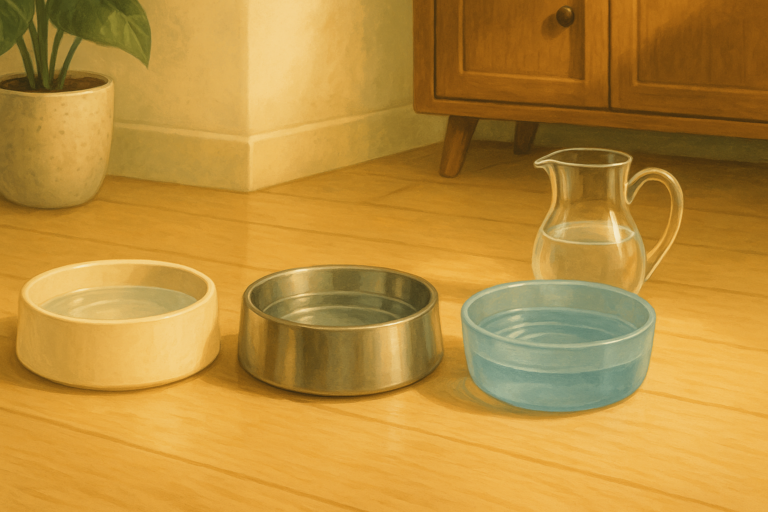
Ceramic, stainless steel or plastic? The bowl material matters less than how often you clean it. Here’s what the research shows, why old plastic is the one to watch, and how to pick a bowl your indoor cat will actually drink from.
A few reasons, and most are harmless
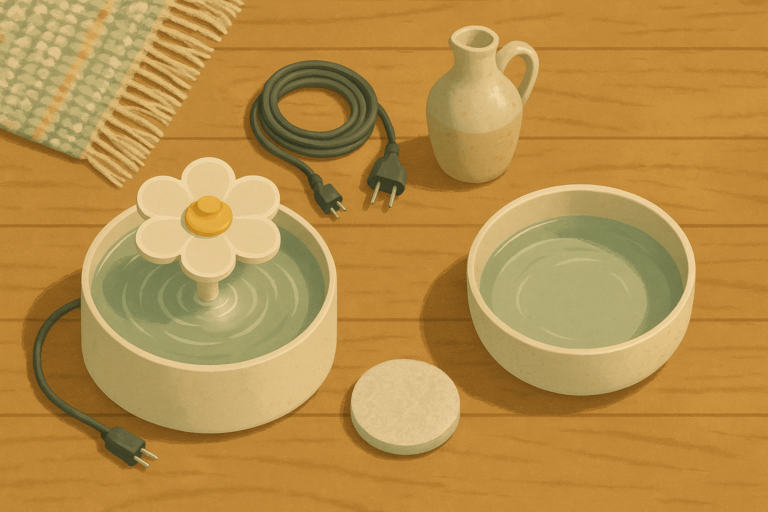
Should you buy a fountain or stick with a bowl? The controlled evidence says a fountain is a modest nudge, not a cure. Here’s when a fountain earns its place, when a clean bowl is the smarter buy, and the change that moves a cat’s intake more than either.
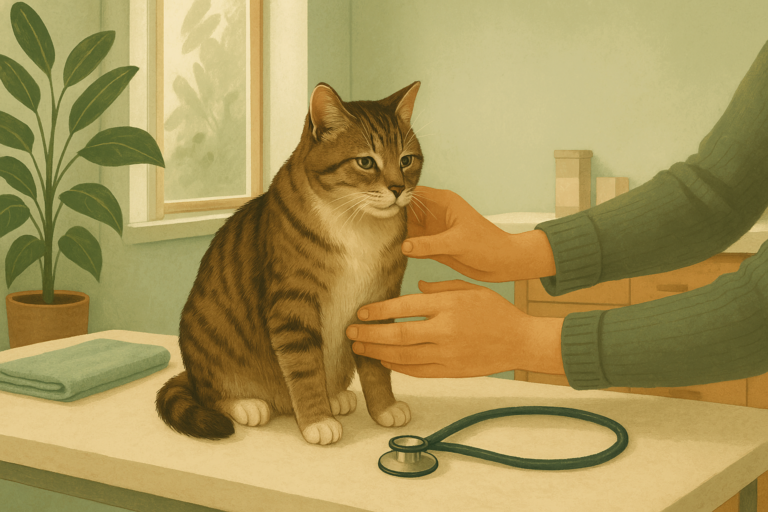
You can’t fully prevent feline kidney disease, but you can stack the odds and catch it early. Hydration, weight, dental care, blood pressure and senior bloodwork, plus the quiet early signs every indoor-cat owner should know.
Toilet water is cool, moving when freshly flushed and tucked in a quiet low-traffic room, which ticks several boxes cats like
Not strictly, but a fountain helps some cats and does no harm