The Best Low-Carb Cat Foods for Diabetic and Weight-Management Cats
A diabetic diagnosis at the vet’s office almost always comes with the same two words tacked onto the insulin talk: low-carb. I heard that pairing constantly at the front desk, usually right after a cat’s blood glucose reading came back high enough to need treatment, followed by an owner staring at a wall of kibble bags with no idea which ones actually qualify. The carbohydrate number isn’t even printed on most labels. Here are three dry foods that genuinely clear the low-carb bar, what separates them, and why this is one diet change worth making with your vet, not around one.
As Amazon Associates we earn from qualifying purchases. Some links in this post are affiliate links; if you buy through them, we earn a small commission at no extra cost to you. We only recommend products we’ve used or researched thoroughly. See our full disclosure.
The picks at a glance
Dr. Elsey’s cleanprotein Chicken Dry
59% min crude protein · ~90% animal-sourced protein · grain-free, starch-free binder
- ✓ The highest guaranteed protein minimum of the three, and by a wide margin
- ✓ Uses gelatin instead of starch as the kibble binder, which is what keeps the carbohydrate share so low
- ✓ Labeled by the manufacturer specifically for active, overweight and diabetic cats
on Amazon
Price as of Oct 26, 2026, 9:21 AM EDT. Product prices and availability are accurate as of the date/time indicated and are subject to change.
Wellness CORE+ Indoor Chicken & Turkey Dry
45% min crude protein · grain-free · formulated for lower-activity indoor cats
- ✓ No wheat, corn or soy anywhere in the formula
- ✓ Built around an indoor cat’s lower calorie needs, not just a protein number
- ✓ Widely stocked, easier to find on a regular restock run than the other two
on Amazon
Price as of Oct 26, 2026, 9:21 AM EDT. Product prices and availability are accurate as of the date/time indicated and are subject to change.
Tiki Cat Born Carnivore Deboned Chicken & Egg Dry
43% min crude protein · deboned chicken first · grain-free
- ✓ About 80% of the protein comes from animal sources, not plant fillers
- ✓ Whole-prey-style formulation built around chicken and egg
- ✓ No by-product meal or corn, wheat or soy
on Amazon
Price as of Oct 26, 2026, 9:21 AM EDT. Product prices and availability are accurate as of the date/time indicated and are subject to change.
Quick take:
- Obese cats are up to four times more likely to develop diabetes than cats at a healthy weight, and a diet low in carbohydrates is part of the standard dietary therapy once a cat is diagnosed.1
- All three picks here keep crude protein well above the maintenance minimum while keeping the starch content that replaces it low, the combination Cornell’s Feline Health Center points to for both weight control and diabetic diets.12
- Free feeding a bowl of dry food all day is one of the biggest drivers of feline obesity. The food matters, but so does portioning it into set meals.2
- None of these replaces a vet-directed plan for a cat already on insulin. Switching a diabetic cat’s food without adjusting the dose can trigger a dangerous drop in blood sugar.1
Why the carbohydrate number matters more than the marketing
Cats with diabetes most commonly have the Type II form of the disease, where cells stop responding normally to insulin and glucose gets stuck in the bloodstream instead of reaching the tissue that needs it.1 A diet lower in carbohydrate reduces the glucose load the body has to manage in the first place, which is why the Cornell Feline Health Center lists a low-carbohydrate diet as part of standard dietary therapy for a diagnosed diabetic cat, often alongside insulin or one of the newer oral medications.1 Obesity is the single biggest modifiable risk factor behind that diagnosis to begin with: an obese cat is up to four times more likely to develop diabetes than one at a healthy weight.1
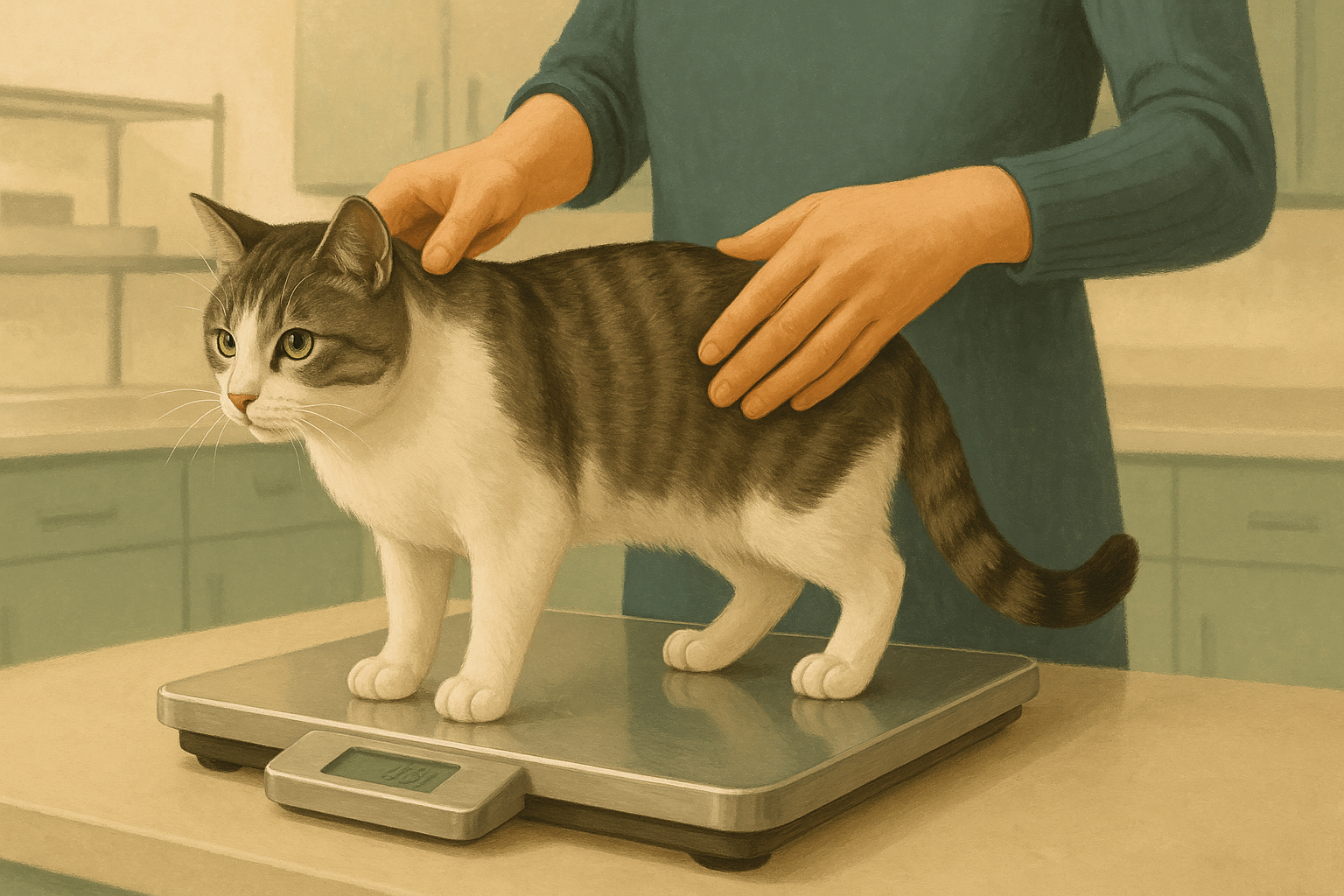
Weight and glucose control feed each other in both directions. Cornell’s guidance for overweight cats already diagnosed with diabetes is slow, vet-supervised weight loss, since a sudden calorie cut on its own can trigger a separate liver condition.1 Even before a diabetes diagnosis, a major driver of feline obesity is free feeding: leaving a bowl of dry food out all day encourages a cat to eat more than it needs, where canned food, or a portioned dry meal, keeps the amount in the owner’s control.2
What separates these three bags
Dr. Elsey’s cleanprotein Chicken clears the other two by a wide margin on paper: 59% minimum crude protein against 45% and 43%. The bigger story is what’s missing. Most dry kibble needs some starch to hold its shape, which is where a lot of a bag’s carbohydrate content comes from. Dr. Elsey’s uses gelatin and hydrolyzed pork as the binder instead, so the carbohydrate share left over after protein, fat, fiber and moisture is genuinely small, not just low relative to other dry food. Wellness CORE+ Indoor takes a more conventional grain-free route: chicken and turkey first, no wheat, corn or soy, formulated around the lower calorie needs of a cat that isn’t out hunting for a living. Its 45% protein minimum is respectable but isn’t the standout feature here. Its indoor-specific calorie profile is. Tiki Cat Born Carnivore sits closest to a true whole-prey ratio: deboned chicken and egg driving about 80% of the formula’s protein from animal sources, grain-free, no by-product meal. Its protein minimum is the lowest of the three at 43%, still well clear of what a maintenance-only food needs to claim.

Checking the carb math yourself
No bag prints a carbohydrate percentage. The guaranteed analysis panel legally only has to list minimums for protein and fat and maximums for fiber and moisture, so a rough carbohydrate estimate comes from subtracting those four numbers (plus ash, when a brand lists it) from 100.3 Run that math on Dr. Elsey’s cleanprotein and the leftover lands in the single digits. Run it on a typical maintenance dry food sitting at 28 to 32% protein and the number climbs toward 35 to 40%. That gap is the entire reason a bag marketed as “high protein” isn’t automatically low-carb, and it’s worth doing the subtraction yourself before trusting a front-of-bag claim.
When to talk to your vet
This is the one food swap on the site I’d tell you not to make solo if your cat is already being treated for diabetes. If a cat is on insulin and you switch to a lower-carbohydrate diet without adjusting the dose, you can put that cat at real risk of a hypoglycemic crisis, since the lower glucose load from the new food stacks on top of an insulin dose that was calibrated for the old one.1 Any diagnosed diabetic cat needs this change coordinated with the vet managing the insulin plan, not timed around a bag running low. For a cat that’s simply overweight and not yet diabetic, a gradual transition over 7 to 10 days and a vet-confirmed target weight still beat guessing, and any sudden appetite loss, increased thirst or urination, or unexplained weight loss despite eating normally is worth a vet visit before trying any new food at all.1
The bottom line
Dr. Elsey’s cleanprotein is the pick if the goal is the lowest carbohydrate number available, especially for a cat already working with a vet on a diabetes plan. Wellness CORE+ Indoor is the pick built specifically around an indoor cat’s lower calorie needs, a reasonable default for weight management before any diagnosis. Tiki Cat Born Carnivore is the whole-prey-style middle ground, widely available and easy to fold into a normal rotation. None of the three replaces the vet visit a diabetes diagnosis or a real weight problem actually needs.