
Weruva vs Wellness CORE
At the intake desk, owners weighing Weruva against Wellness CORE usually weren’t comparing two bags at all. One hand held a can, the other held a bag of kibble, and the real question underneath was whether “premium natural” meant the same thing in both formats. It doesn’t, not quite. Weruva only makes wet food, built around human-grade meat and fish. Wellness CORE is best known for its grain-free dry formulas, indoor included. Weruva wins if wet food is the format you’re already feeding and protein variety matters. Wellness CORE wins if dry kibble is what fits your routine and you want built-in weight and hairball control.
As Amazon Associates we earn from qualifying purchases. Some links in this post are affiliate links; if you buy through them, we earn a small commission at no extra cost to you. We only recommend products we’ve used or researched thoroughly. See our full disclosure for details.
How they compare at a glance

24 x 3 oz cans · wet food only · 11 recipes, chicken and fish based
- ✓ Human-grade sourced meat and fish, hand-flaked rather than ground into a paste
- ✓ Grain-free, gluten-free and carrageenan-free across every recipe
- ✓ Several recipes lead with fish or seafood instead of chicken
on Amazon
Price as of Sep 21, 2026, 9:21 AM EDT. Product prices and availability are accurate as of the date/time indicated and are subject to change.
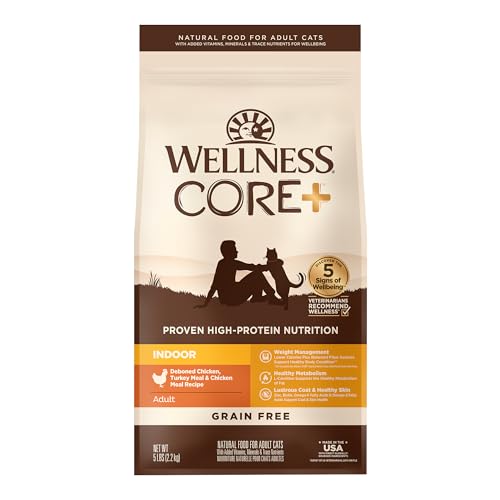
Wellness CORE+ Indoor Chicken & Turkey Dry
5 lb bag · grain-free dry · indoor adult formula
- ✓ Deboned chicken as the first ingredient, no corn, wheat or soy
- ✓ Calorie-controlled kibble with an added fiber blend for hairball control
- ✓ Chicory root and flaxseed included for digestive and coat support
on Amazon
Price as of Sep 21, 2026, 9:21 AM EDT. Product prices and availability are accurate as of the date/time indicated and are subject to change.
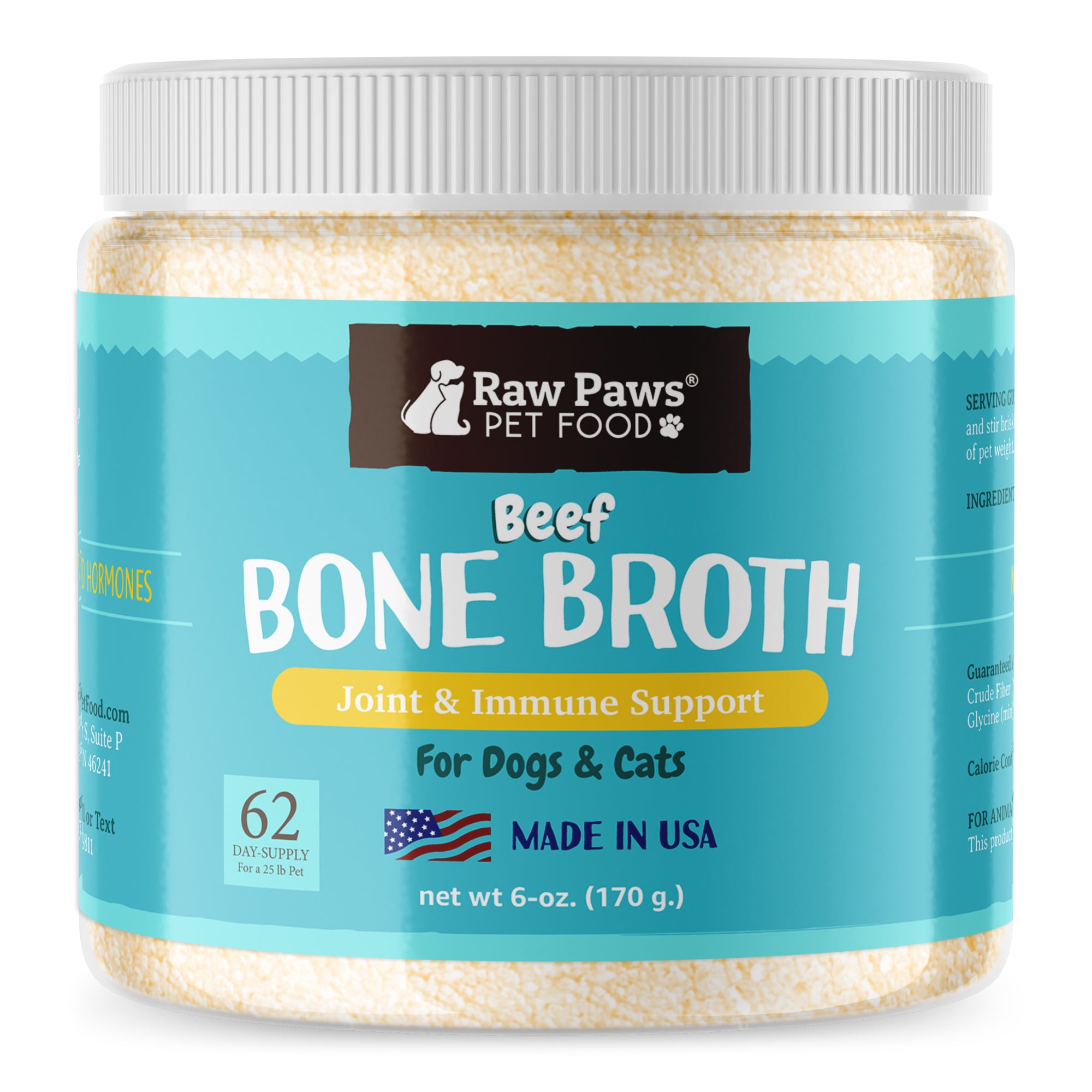
Raw Paws Beef Bone Broth Supplement Powder
6 oz jar · add-on topper, not a standalone food · made in USA
- ✓ Grain-free, gluten-free protein powder that mixes into either format
- ✓ A cheap way to add moisture and flavor to a dry-only bowl
- ✓ Useful for coaxing a cat through a food switch either direction
on Raw Paws Pet Food
Price as of Sep 21, 2026, 9:21 AM EDT. Product prices and availability are accurate as of the date/time indicated and are subject to change.
| Weruva Classic Cat | Wellness CORE+ Indoor | Bone broth topper | |
|---|---|---|---|
| Format | Wet only, 3 oz cans | Dry kibble, 5 lb bag | Powder, mixes into either |
| Base protein | Chicken or fish, depending on the recipe | Deboned chicken, then chicken and turkey meal | Beef, no other meat |
| Ingredient approach | Human-grade, hand-flaked meat and fish, minimal additions | Grain-free kibble with added fiber, chicory root and flaxseed | Not a standalone food, no guaranteed analysis to compare |
| Selection | 11 recipes in one variety pack | One indoor-formula recipe, chicken and turkey | One flavor, chicken |
| Best fit | A cat eating wet exclusively or in heavy rotation | A cat eating mostly or all dry kibble | Works as an add-on to whichever food you choose above |
The short version
- They’re not really cross-shopped the way the name suggests. Weruva makes wet food exclusively. Wellness CORE is best known for grain-free dry, though the brand also sells wet lines outside what’s covered here.
- Both are AAFCO complete and balanced for adult maintenance, so neither leaves a healthy cat short on the fundamentals. [1][2]
- Weruva‘s edge is ingredient transparency. Human-grade, hand-flaked meat and fish across 11 recipes, with several built on fish instead of chicken.
- Wellness CORE‘s edge is built-in indoor-cat design. Calorie control and a hairball-management fiber blend baked into the formula, not something you add separately.
- Price runs higher for Weruva per ounce of actual food, which is typical of wet food generally next to dry.
- For a cat that eats both formats, there’s no rule against feeding one brand wet and the other dry. The comparison matters more if you’re trying to pick one lane.
In this guide
Two companies, two different specialties · What “complete and balanced” guarantees · Ingredients and protein approach · Price and selection · Which one fits an indoor cat · Feeding both, or switching between them · How I compared them · Common questions · When to talk to your vet
Two companies, two different specialties
Weruva is a family-owned company founded in 2006 that has never made a bag of kibble. Every product it sells is wet, spread across a dozen product lines, and the Classic Cat range reviewed here runs 11 recipes across 24 small cans. That narrow focus shows up in how the food is made: the meat and fish are hand-flaked into visible pieces rather than ground into a uniform paste, which is closer to what a can looks like when you open it than most mass-market pate. Wellness CORE comes from a much older parent company, one that has been formulating pet food since the late 1990s and now covers both wet and dry lines across several product tiers. The CORE line specifically is the brand’s grain-free flagship, and the Indoor formula reviewed here is one recipe within that line built around lower activity and a hairball-prone gut. Neither company is small or new. The difference is specialization: one brand does wet food and only wet food, the other spreads its formulation effort across a wider product map.
What “complete and balanced” actually guarantees
Before comparing ingredient lists, it helps to know what the label already promises. Cats are obligate carnivores, meaning they need nutrients like taurine, arachidonic acid and preformed vitamin A that come specifically from animal tissue. [1] A food that claims “complete and balanced” has to meet AAFCO’s nutrient profile for the stated life stage, either by formulation or by passing a feeding trial. [2] Both Weruva Classic Cat and Wellness CORE+ Indoor carry that statement for adult maintenance, so on the regulatory floor, they’re equal. What separates them lives above that floor: how the protein is sourced, how much fiber is added and what each formula is actually built to solve.
Ingredients and protein approach
Weruva Classic Cat‘s ingredient lists read short on purpose: meat or fish, broth, a few named vegetables in some recipes, no artificial colors or flavors, no carrageenan, no grain or gluten. Several recipes, like Mack & Jack and Amazon Livin’, lead with fish instead of chicken, which gives an owner a genuine way to rotate away from a single protein rather than just changing the flavor name on the can. Wellness CORE+ Indoor leads with deboned chicken, followed by chicken meal and turkey meal, then peas and potatoes standing in for the grain most competing dry foods use as a binder. Wellness adds chicory root, a natural source of inulin that functions as a prebiotic, and ground flaxseed for omega fatty acids. Both approaches skip corn, wheat and soy. The practical difference is texture and moisture more than nutrition on paper: a can gives a cat visible pieces of real meat in broth, a kibble gives a shelf-stable, calorie-dense pellet that keeps for months once opened.
Price and selection
Wet food costs more per calorie than dry food across nearly every brand, and this pair is no exception. A case of Weruva‘s 3 ounce cans runs into premium wet-food pricing territory, while a 5 lb bag of Wellness CORE+ Indoor sits in the mid-to-premium dry range, more affordable per day of feeding even though the bag itself costs more upfront. Selection tilts the other way. Weruva‘s variety pack alone covers 11 distinct recipes, useful if your cat gets bored of one flavor or you’re actively trying different proteins. Wellness CORE‘s indoor dry formula is one recipe, chicken and turkey, though the brand sells other CORE dry varieties outside the indoor line if a cat needs a different protein.

Which one fits an indoor cat
Indoor cats burn fewer calories than the marketing photos suggest, since they aren’t hunting or patrolling territory the way an outdoor cat does. Weight creeps up gradually, and once it’s on, it’s hard to take back off without real portion control. [3] Wellness CORE+ Indoor builds that calorie ceiling and a hairball-control fiber blend directly into the formula, so the work of managing an indoor cat’s metabolism is partly done before the bag is even opened. Weruva doesn’t make an indoor-specific claim, but wet food’s high moisture content helps in a different way: it supports hydration in cats that don’t drink much on their own, and it’s easier to portion by weight than eyeballing a kibble scoop. If weight and hairballs are the main concern, Wellness CORE‘s formula does more of that work automatically. If hydration and ingredient transparency matter more to you, Weruva‘s cans are the better fit.
Feeding both, or switching between them
A lot of owners land here trying to decide between the two when the honest answer is that they don’t have to. Feeding Wellness CORE dry as the base diet with a can of Weruva mixed in once or twice a day is a common, reasonable pattern, and it gets you the calorie-controlled kibble plus the added moisture and protein variety of the wet food. If you’re switching a cat from one to the other entirely, do it gradually over seven to ten days rather than swapping bowls overnight, since a sudden change is one of the more common triggers for stomach upset regardless of which two foods are involved.
How I compared them
This is a researched comparison, not a feeding trial: I haven’t fed these two side by side in my own home, so I won’t claim I did. What I did do is read through Weruva’s full flavor list and Wellness CORE’s ingredient panel, check both brands’ AAFCO statements of nutritional adequacy and compare current pricing across retailers rather than relying on one listing. That process is also where the honest limitation in my own framing shows up. Wellness CORE’s built-in indoor design, the calorie ceiling and hairball fiber worked into one formula, is a genuine convenience Weruva simply doesn’t offer, since Weruva makes no dry food and no indoor-specific claim at all. I’m not going to pretend that gap doesn’t exist just because I lean toward wet food for hydration reasons elsewhere on this site. Where the two skip the same things, corn, wheat, soy and artificial colors, I’ve said so instead of manufacturing a difference to fill out a table.
Common questions
Does Wellness CORE make a wet food that’s a more direct match for Weruva?
Yes, the brand sells CORE wet pate and shredded lines outside the indoor dry formula covered here. This piece compares the two products owners most often bring up by name, not every SKU either brand sells.
Is grain-free automatically healthier for a cat?
No. Cats don’t have a dietary requirement for grain either way, so grain-free is a marketing and formulation choice rather than a health guarantee. What matters more is the actual protein source and whether your specific cat does well on it.
Can I feed the bone broth powder with either food?
Yes, it’s designed as an add-on rather than a replacement, so it mixes into a bowl of either Weruva‘s wet food or Wellness CORE‘s dry kibble without changing the base diet’s balance in any meaningful way.
When to talk to your vet
Loop in your vet before switching foods if your cat has a diagnosed condition, is on a therapeutic diet, or is very young, pregnant or senior. Call sooner rather than later if a food change is followed by vomiting, by diarrhea that lasts more than a day or two, or by a cat that stops eating altogether. A cat refusing food for more than about 24 hours is its own medical concern, separate from which brand or format you picked. [1]
The bottom line
- Choose Weruva if you’re feeding wet as the main diet and want human-grade, hand-flaked meat or fish with real protein variety across recipes.
- Choose Wellness CORE+ Indoor if dry kibble is your routine and you want calorie control and hairball management built into the formula itself.
Neither is the wrong answer for a healthy indoor cat. The right one depends on the format you’re already feeding, not the logo on the label.
Sources