Purina Pro Plan vs Blue Buffalo Wilderness
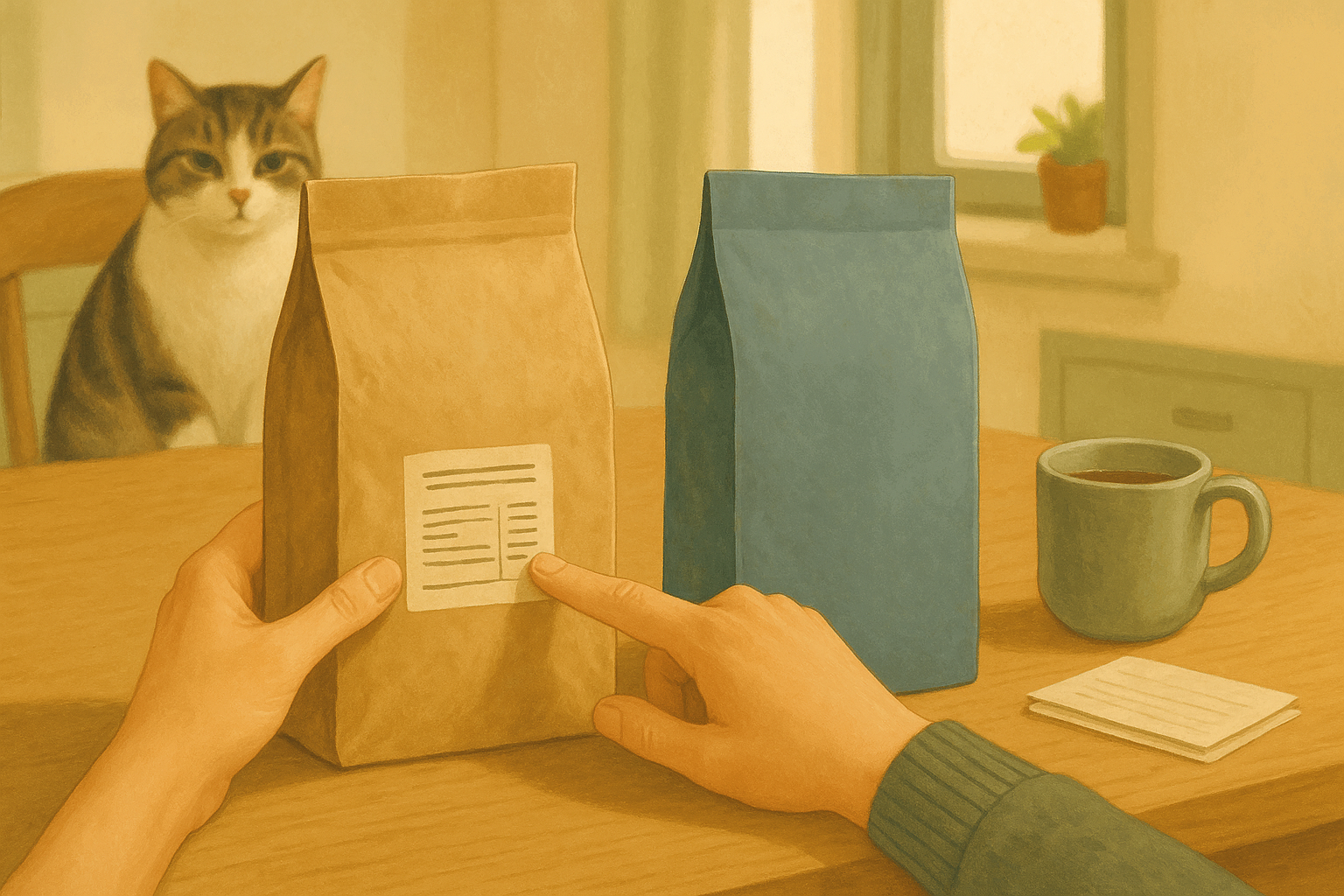
At the intake desk, I probably heard this question every week: an owner standing at the counter with a bag of Purina Pro Plan in one hand and a bag of Blue Buffalo Wilderness in the other, asking which one was better. Both are the kind of mass-premium bag you’ll find in the same aisle at nearly every big-box pet store, and they get cross-shopped more than almost any other pair in the category. The short version: Purina Pro Plan wins if you want a feeding-trial-tested formula at a friendlier price. Blue Buffalo Wilderness wins if grain-free and a higher protein number on the bag matter more to you. Here’s what’s different once you get past the marketing copy.
As Amazon Associates we earn from qualifying purchases. Some links in this post are affiliate links; if you buy through them, we earn a small commission at no extra cost to you. We only recommend products we’ve used or researched thoroughly. See our full disclosure for details.
How they compare at a glance

Purina Pro Plan Adult Indoor Chicken & Rice
7 lb bag · chicken & rice · for adult cats 1 to 6 years
- ✓ Validated through an AAFCO feeding trial, not just a lab formulation check
- ✓ Grain-inclusive recipe with rice and corn protein meal alongside chicken
- ✓ Fiber level tuned toward hairball control for indoor cats
- ✓ Budget-friendlier and widely stocked at mass retailers
on Amazon
Price as of Sep 21, 2026, 9:21 AM EDT. Product prices and availability are accurate as of the date/time indicated and are subject to change.
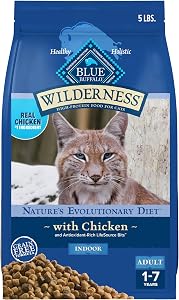
Blue Buffalo Wilderness Indoor Chicken
5 lb bag · grain-free · for adult cats 1 to 7 years
- ✓ Grain-free recipe with no corn, wheat or soy
- ✓ Higher guaranteed crude protein and fat than the Purina formula
- ✓ LifeSource Bits, a cold-formed blend of vitamins, minerals and antioxidants
- ✓ Premium-tier pricing, higher than mainstream indoor formulas
on Amazon
Price as of Sep 21, 2026, 9:21 AM EDT. Product prices and availability are accurate as of the date/time indicated and are subject to change.
| Purina Pro Plan Indoor | Blue Buffalo Wilderness Indoor | |
|---|---|---|
| Formula approach | Grain-inclusive, fiber tuned for hairball control | Grain-free, high-protein “ancestral diet” style |
| Guaranteed crude protein (min) | 36% | 38% |
| Guaranteed crude fat (min) | 11% | 16% |
| AAFCO substantiation | Feeding trial | Formulated to meet nutrient profiles |
| Typical price tier | Budget to mid-range | Premium |
| Best fit | Cats that do fine with grain, owners who want feeding-trial validation | Owners who want the higher protein and fat number and a grain-free list |
The short version
- Both are AAFCO complete and balanced for adult maintenance, but they prove it two different ways. [1][2]
- Purina Pro Plan‘s edge is validation. It passed an AAFCO feeding trial, the more rigorous of the two paths to a “complete and balanced” claim. [2][3]
- Blue Buffalo Wilderness‘s edge is the numbers on the label. Higher guaranteed crude protein and fat, and a grain-free ingredient list with no corn, wheat or soy. [4]
- Purina Pro Plan runs grain-inclusive, with rice and corn protein meal working alongside chicken. [3]
- Price runs higher for Blue Buffalo Wilderness across most comparable bags. Purina Pro Plan is the more budget-friendly, more widely stocked option.
- For a healthy indoor cat with no grain sensitivity, portion control and which food she’ll eat matter more than either of these differences.
In this guide
Who makes them, and what that’s worth knowing · What “complete and balanced” guarantees · Ingredients, protein and the grain question · Price · Which one fits an indoor cat · How I compared them · Common questions · When to talk to your vet
Who makes them, and what that’s worth knowing
Purina Pro Plan is made by Nestlé Purina, one of the largest pet food manufacturers in the world, with its own formulation labs and feeding-trial facilities. Blue Buffalo Wilderness comes from Blue Buffalo, which has been owned by General Mills since 2018 and still runs as its own pet food division. Neither is a small operation. Both have the manufacturing scale and quality-control infrastructure to turn out a consistent bag, batch after batch. When an owner asked me at the desk whether a brand was trustworthy, I usually pointed to that first: testing capacity and manufacturing consistency, not just the ingredient list printed on the front of the bag.
What “complete and balanced” guarantees
Before comparing ingredients, it helps to know what the label already promises. For a cat food to claim “complete and balanced,” it has to either meet one of AAFCO’s nutrient profiles for the cat’s life stage or pass an AAFCO feeding trial. [2] Cats are obligate carnivores. They need nutrients like taurine that they can only get in sufficient amounts from animal tissue, and a complete-and-balanced food is formulated to deliver them. [1]
This is where the two diverge, and it’s a real, checkable difference rather than a marketing line. Purina Pro Plan‘s own label states that animal feeding tests using AAFCO procedures substantiate the formula as complete and balanced: the feeding-trial path. [3][2] Blue Buffalo Wilderness‘s label states that it’s formulated to meet the nutritional levels established by the AAFCO Cat Food Nutrient Profiles: the formulation path, confirmed by lab analysis rather than feeding real cats over time. [4][2] Both are legitimate ways to earn the claim. A feeding trial is slower and costs more to run, and it’s evidence the finished food performed in real cats, not only that the math worked out on paper. [2]
Ingredients, protein and the grain question
On paper, Blue Buffalo Wilderness runs a noticeably higher guaranteed analysis: 38 percent minimum crude protein and 16 percent minimum crude fat, against Purina Pro Plan‘s 36 percent protein and 11 percent fat. [4][3] The ingredient list tells the rest of the story. Blue Buffalo Wilderness is grain-free, built around deboned chicken, chicken meal and flaxseed, with no corn, wheat or soy and no artificial flavors or preservatives, plus a proprietary blend the brand calls LifeSource Bits: cold-formed pellets of vitamins, minerals and antioxidants. [4] Purina Pro Plan is grain-inclusive: chicken and chicken meal alongside rice, corn protein meal and wheat flour, with a fiber level tuned a bit higher, aimed at hairball control for cats that spend most of the day indoors grooming. [3]
Grain-free doesn’t automatically mean healthier. Rice and corn are digestible carbohydrate sources for most cats, and being grain-free doesn’t make a food higher-protein by itself. In this particular pairing it does happen to track with higher protein and fat, but that’s a property of these two specific formulas, not a rule about grain-free food in general.
Price
Blue Buffalo Wilderness sits in the premium tier and generally costs more per bag than Purina Pro Plan, which is priced closer to the mainstream mass-market shelf. Whether that premium is worth it comes down to whether your cat needs the higher protein and fat Blue Buffalo Wilderness guarantees, or does just as well on Purina Pro Plan‘s grain-inclusive, feeding-trial-tested formula for less money. For a healthy adult cat with no known grain sensitivity, you’re often paying the premium for a protein number on a label, not a proven health outcome.
Which one fits an indoor cat
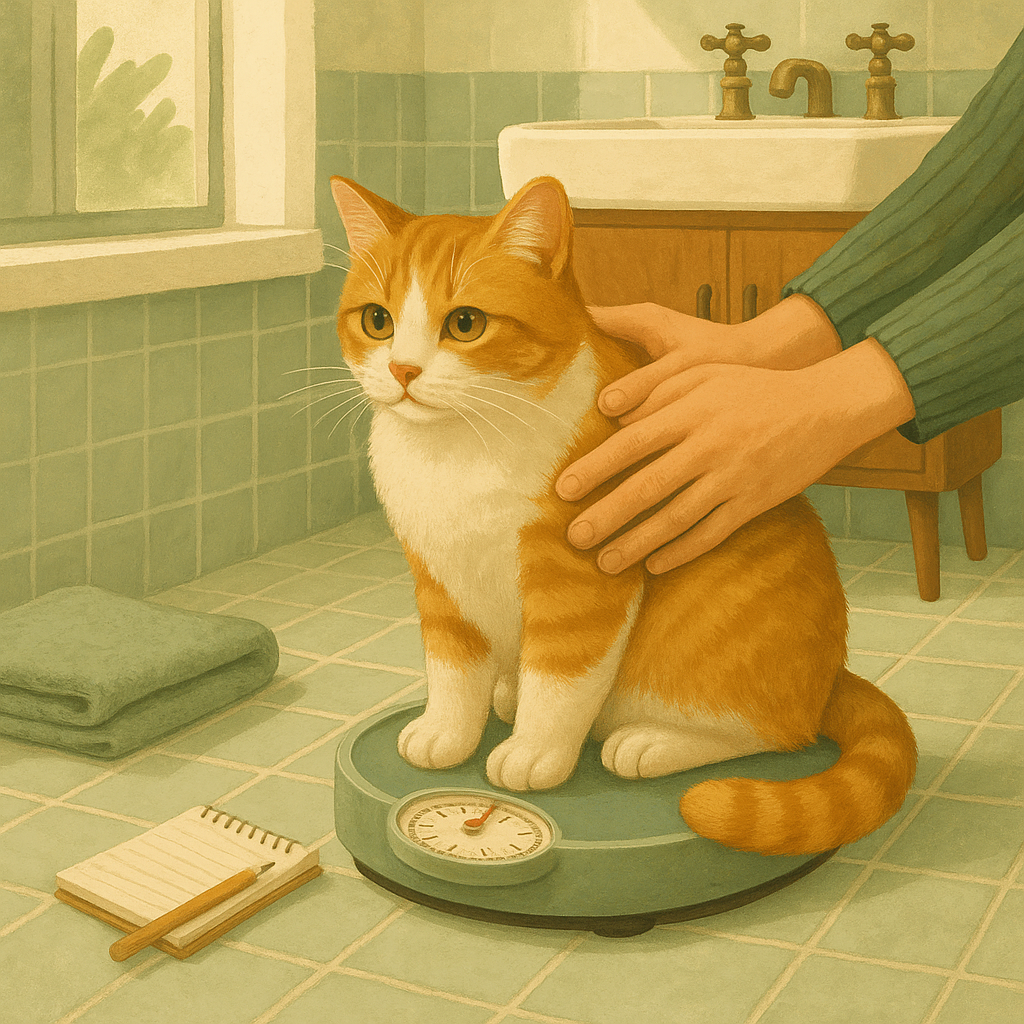
Both bags carry “Indoor” in the name, and both are built around the same basic reality: a cat that spends its life on a couch and a windowsill burns fewer calories than a feeding chart written for an average adult cat assumes. The bigger risk for an indoor cat isn’t the logo on the bag. It’s free feeding. Obesity is the most common nutrition-related problem Cornell’s Feline Health Center sees in cats, and free-choice dry food left out all day is one of the main drivers behind it. [5] I’d rather see an indoor cat on a measured, twice-daily portion of either of these foods than free-fed the “better” bag around the clock.
If your cat tolerates grain fine and you want the lower-cost, feeding-trial-tested option, Purina Pro Plan is a reasonable pick. If you want the higher protein and fat numbers and you’re comfortable paying more for them, Blue Buffalo Wilderness is the one. Either way, measure the portion and adjust it against your cat’s actual body condition rather than the bag’s default feeding chart. [5]
How I compared them
This is a researched comparison, not a feeding trial of my own: I haven’t run these two foods side by side in my own home, so I won’t claim I did. What I did do is read both manufacturers’ own product pages and label statements, line up the guaranteed analysis panels and check each brand’s AAFCO substantiation language word for word rather than assume they said the same thing. [2][3][4] I weighed that against the pattern from years at intake, where these two bags came up in the same conversation more than almost any other pairing, and owners almost always asked one of two things: which had the better protein number, and which one was tested rather than only formulated on paper. Both foods are legitimately AAFCO complete and balanced, so where they tie, I’ve said so instead of manufacturing a difference. Where one has a real edge, Blue Buffalo Wilderness on guaranteed protein, fat and a grain-free ingredient list, Purina Pro Plan on feeding-trial validation and price, I’ve named it plainly rather than picking one winner across the board.
Common questions
Is grain-free automatically better for cats?
No. Cats digest grains like rice and corn reasonably well, and grain-free isn’t a stand-in for higher quality on its own. In this specific pairing the grain-free formula does carry higher guaranteed protein and fat, but that’s true of these two bags, not a general rule about grain-free food. [1]
Can I switch between the two, or mix them?
Yes, but do it gradually. Mix a little of the new food into the old over seven to ten days, since a sudden switch is a common trigger for stomach upset in cats regardless of which two brands are involved. [1]
Which one is better for weight loss?
Neither has a built-in edge for a cat that needs to lose weight. Both are adult maintenance formulas, not therapeutic weight-loss diets. Portion size and how consistently you measure it will move the needle more than the brand choice. [5]
When to talk to your vet
Switching between these two is low-stakes for most healthy adult cats. Loop in your vet before switching if your cat has a diagnosed condition or a history of food sensitivities. The same caution applies to cats that are very young, pregnant or senior. Call sooner rather than later if a food change brings on vomiting, diarrhea that lasts more than a day or two or a sudden refusal to eat at all. A cat that won’t eat for more than about 24 hours needs a vet’s attention regardless of which bag caused it. [1]
The bottom line
- Choose Purina Pro Plan if you want a feeding-trial-tested formula, your cat does fine with grain and price matters.
- Choose Blue Buffalo Wilderness if you want the higher guaranteed protein and fat, a grain-free ingredient list and you’re comfortable paying more for it.
Both are legitimate, complete and balanced foods from manufacturers with real testing infrastructure behind them. The right one is the one your particular indoor cat does well on and will eat, not the one with the bigger number on the bag.
Sources
- Cornell Feline Health Center, “Feeding Your Cat”
- U.S. Food and Drug Administration, “‘Complete and Balanced’ Pet Food”
- Purina, “Adult Indoor + Hairball Chicken & Rice Formula Dry Cat Food” product page
- Blue Buffalo, “BLUE Wilderness Adult Dry Cat Food, Indoor Chicken” product page
- Cornell Feline Health Center, “Obesity”
More cat food guides
- Indoor cat nutrition: what actually works
- Royal Canin vs Hill’s Science Diet
- Instinct Raw Boost vs Blue Buffalo Wilderness: which grain-free kibble for your indoor cat?
- The Best High-Protein Dry Cat Foods for Indoor Cats
- Best dry foods for senior cats: the two real options
- The Best Kitten Foods: 3 Picks That Meet the Growth Standard