How much play do indoor cats need?
Two structured sessions a day, 10 to 15 minutes each. Why the predator sequence matters more than the duration.

Research-backed guides on cat behavior, training, multi-cat dynamics, anxiety, indoor enrichment, scratching, and litter box issues.
Two structured sessions a day, 10 to 15 minutes each. Why the predator sequence matters more than the duration.
Usually a triggering event broke the social pattern: vet visit, new pet, household change. The right protocol can reset it.
One per cat plus one extra, in different parts of the home. Cornell’s house-soiling guidance is specific.
Slow. Separate rooms for days, then scent swap, then visual contact through a barrier, then supervised time. Rushed intros rarely recover.
Carrier acclimation, calm pheromone spray, low-stress vet practice, and quiet handling. Why the carrier is the biggest lever.
Hiding, over-grooming, litter box avoidance, decreased appetite, repetitive behavior. The cat-specific cues humans often miss.
Technically yes, but it’s a setup for problems. The one-per-cat-plus-one rule exists because shared boxes drive house soiling.
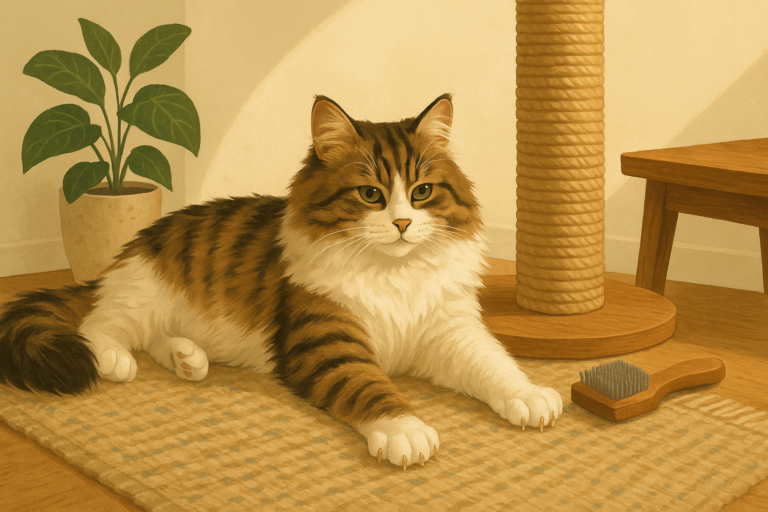
Declawing is amputation of the last bone of each toe, not nail removal. The AVMA discourages it. Banned in many places. Here’s what works instead.
Three answers: predator play with stationary objects, attention-seeking that worked once, or boredom. The fix depends on which.
Petting-induced aggression is overstimulation. Cats have an arousal threshold, and the right amount of petting feels good — past that, it doesn’t.