Do calming collars work for cats?
Mixed evidence and a real safety concern. Diffusers have better data; collars can be safety risks for free-roaming cats.

Research-backed guides on cat behavior, training, multi-cat dynamics, anxiety, indoor enrichment, scratching, and litter box issues.
Mixed evidence and a real safety concern. Diffusers have better data; collars can be safety risks for free-roaming cats.
Usually unspent energy or hunger. In senior cats, can be cognitive decline or hyperthyroidism. When to escalate.
Yes, or some equivalent vertical space. Apartment cats need height to feel safe and use their territory. A wall shelf works too.
Hiding is normal cat behavior; excessive hiding usually isn’t. Stress, pain or illness are the three buckets to consider.
Yes, with positive reinforcement and patience. The dog model doesn’t translate, but the operant-conditioning principles do.
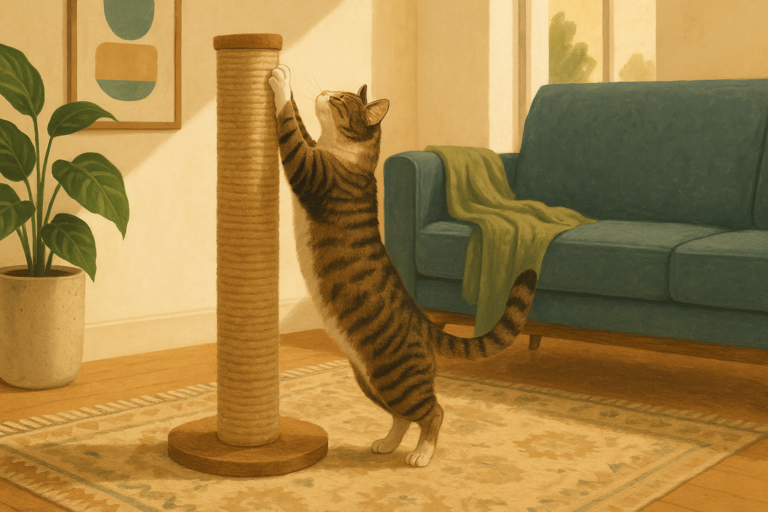
You can’t stop scratching (it’s hardwired) but you can redirect it. The post, the placement and the transition that work.
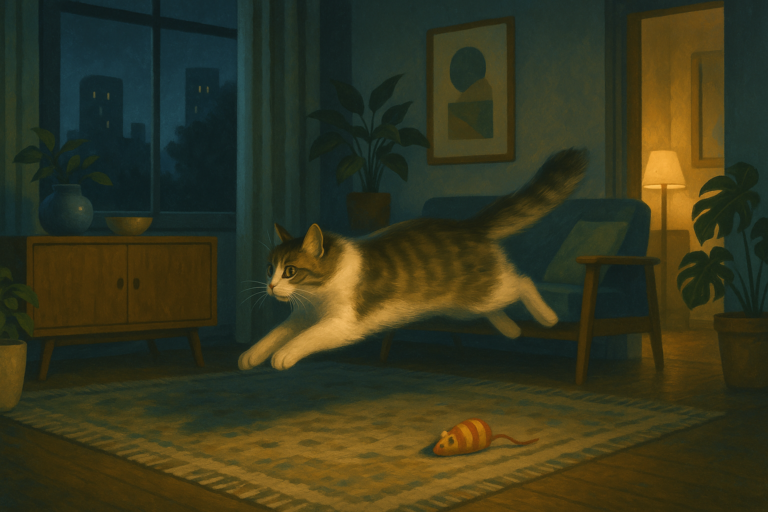
Indoor cats store the predator energy they aren’t spending. The fix is structured daytime play, not a quieter cat.
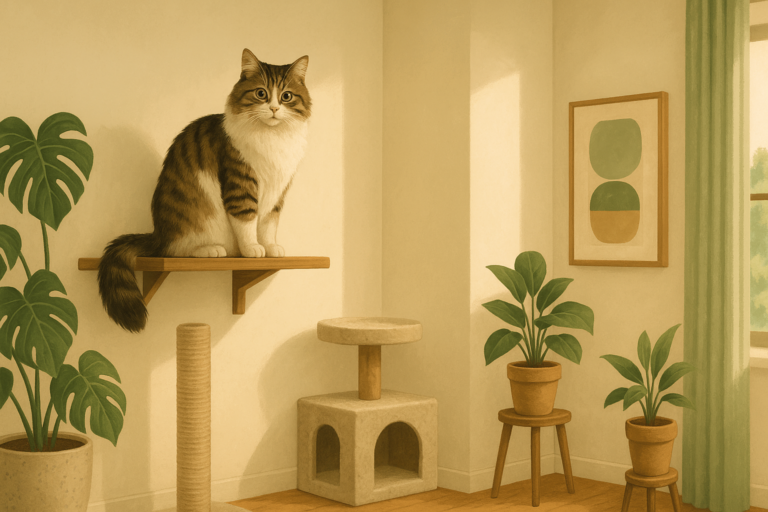
The practical playbook for indoor cat behavior and enrichment: what cats actually need, the highest-leverage setup changes, and when behavior is a vet visit.
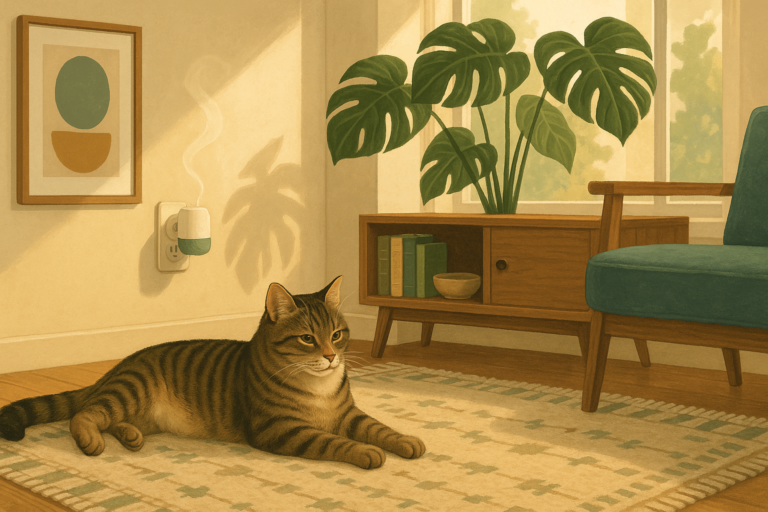
Modestly, yes — for specific applications like scratching and multi-cat tension. The marketing oversells; the data shows a real but small effect.
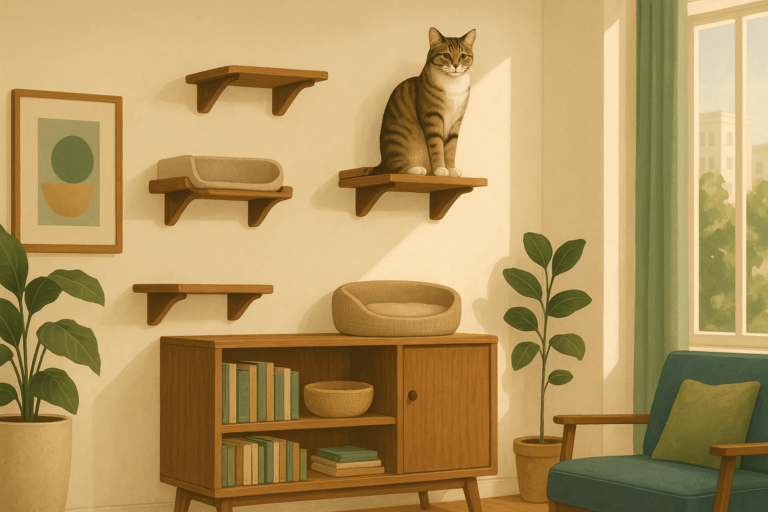
A small apartment can hold a lot of cat territory if you build upward. The apartment-design guide to vertical space.