Can you train a cat?
Yes, with positive reinforcement and patience. The dog model doesn’t translate, but the operant-conditioning principles do.

Research-backed guides on cat behavior, training, multi-cat dynamics, anxiety, indoor enrichment, scratching, and litter box issues.
Yes, with positive reinforcement and patience. The dog model doesn’t translate, but the operant-conditioning principles do.
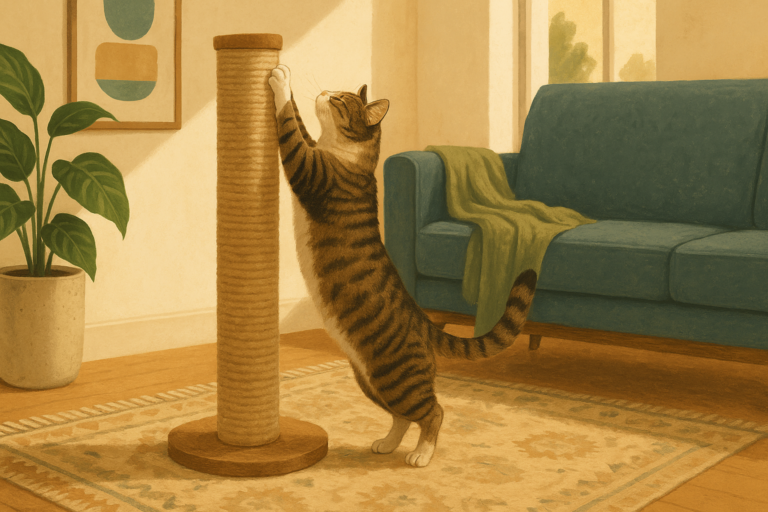
You can’t stop scratching (it’s hardwired) but you can redirect it. The post, the placement and the transition that work.
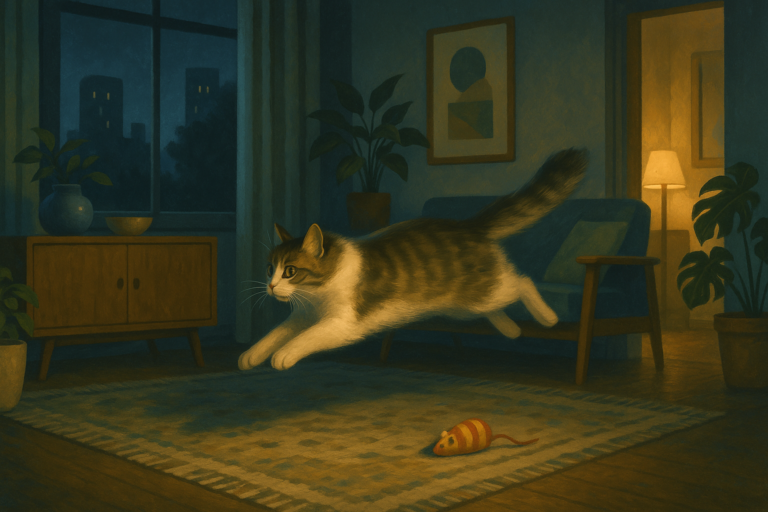
Indoor cats store the predator energy they aren’t spending. The fix is structured daytime play, not a quieter cat.
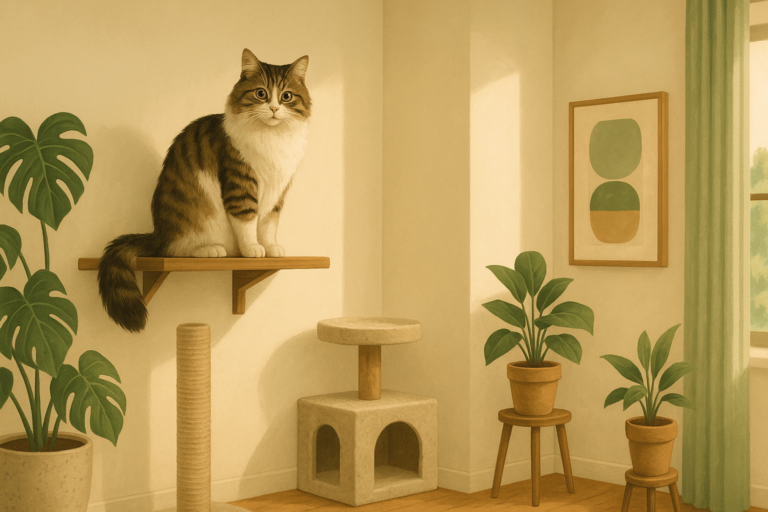
The practical playbook for indoor cat behavior and enrichment: what cats actually need, the highest-leverage setup changes, and when behavior is a vet visit.

Modestly, yes — for specific applications like scratching and multi-cat tension. The marketing oversells; the data shows a real but small effect.

A small apartment can hold a lot of cat territory if you build upward. The apartment-design guide to vertical space.
Yes, and indoor cats especially. Bored cats over-groom, gain weight, sleep more than they should, or get destructive. Enrichment is the fix.
No. Declawing is amputation of the last bone of each toe, not nail removal. The AVMA discourages it; many countries and US states have banned it. Better options.
Depends on your cat. Watch where she scratches now. Most homes need one of each.
Usually wrong post, wrong place, or both. The four-part diagnostic: orientation, substrate, height, location.