Why Your Cat Suddenly Stopped Using the Litter Box (and How to Fix It)
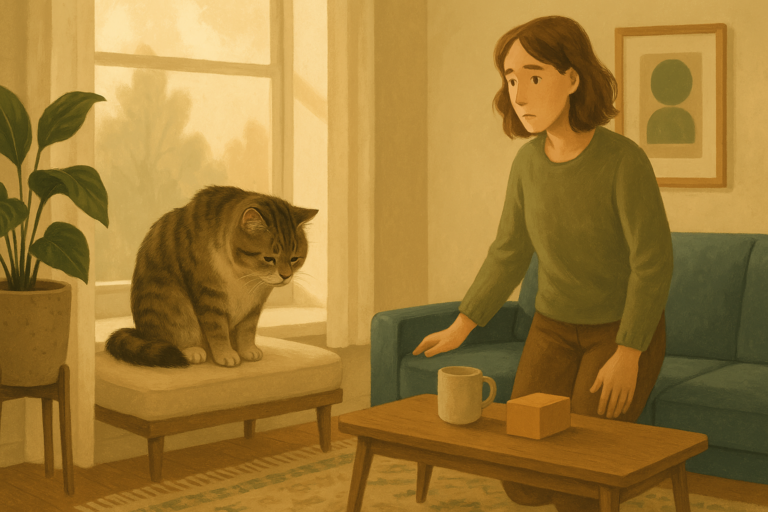
A tuxedo cat named Domino landed at the rescue with a note pinned to his carrier: “won’t use the box.” His owners had tried three litters and given up. What nobody had checked was Domino himself. He was straining, going often and producing almost nothing, and within a day he was at the clinic with a bladder problem that had been building for weeks. He wasn’t being spiteful or badly behaved. He was in pain, and the box was where it hurt. Once that was treated, and once we set the box up the way a cat wants it, he never missed again.
If your cat has suddenly started going outside the litter box, that’s the first thing to sit with. House soiling is one of the most common reasons cats get surrendered, and it’s almost always a signal rather than a tantrum. The cat is telling you something hurts, something about the box is wrong or something in the home feels unsafe. This is how to read which one you’re dealing with, in roughly the order that matters.
The short version
- Rule out the vet first. A sudden change, especially with straining or blood, is a medical problem until proven otherwise.1
- A male cat straining with little or no urine is an emergency. Not a wait-and-see. Same-day vet.3
- Clean more than you think. Scoop every day. Cats refuse a box we’d refuse too.1
- Count your boxes. One per cat, plus one extra, on every floor they use.1
- Match the cat’s preferences. Most want a large, uncovered box, fine unscented clumping litter and a quiet spot away from food.1
- Change one thing at a time. Reset the setup, then give it a week or two before you judge.
Start with the vet, not the litter aisle
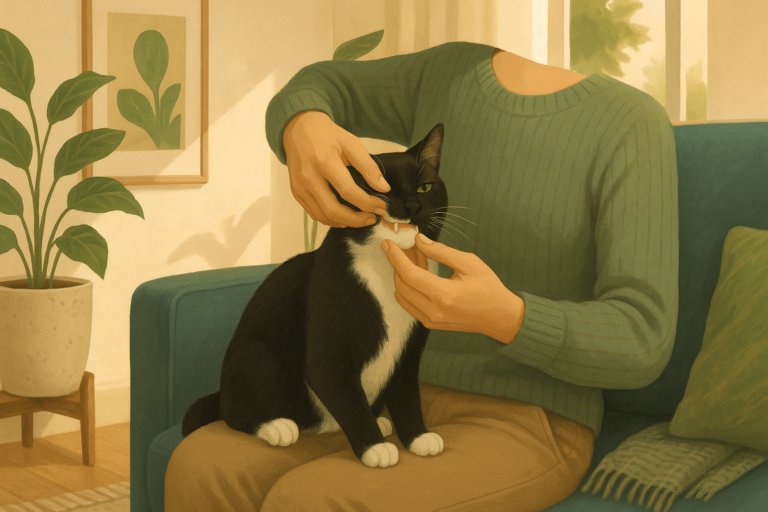
I know the instinct is to run out and buy a different litter. Resist it for one day and call your vet instead. Any medical condition that makes urinating or defecating uncomfortable can drive a cat out of the box, and a sudden change in a previously reliable cat points at a body problem before a behavior one.1 The big ones are feline lower urinary tract disease, bladder inflammation, urinary infections, crystals or stones, constipation and, in older cats, the ache of arthritis that makes climbing into a high box hurt.
There’s a cruel logic to how this becomes a habit. If peeing hurt last week, your cat can decide the box is the thing that hurt her and start avoiding it even after she’s healed.2 That learned association is real, and it’s why catching the medical cause early saves you a much longer behavioral cleanup later. A cat who pees often, passes only small amounts or seems to strain with little to show for it may have a urinary tract problem and needs to be seen.2
If the vet clears her, read the box from her side
Once a medical cause is off the table, the problem is almost always something about the box, the litter or the location that reads as “no” to the cat even when it looks fine to us. Cats are particular about elimination in a way that traces straight back to instinct, and the fixes are usually small. Here’s what I check, roughly in the order that pays off.
It isn’t clean enough
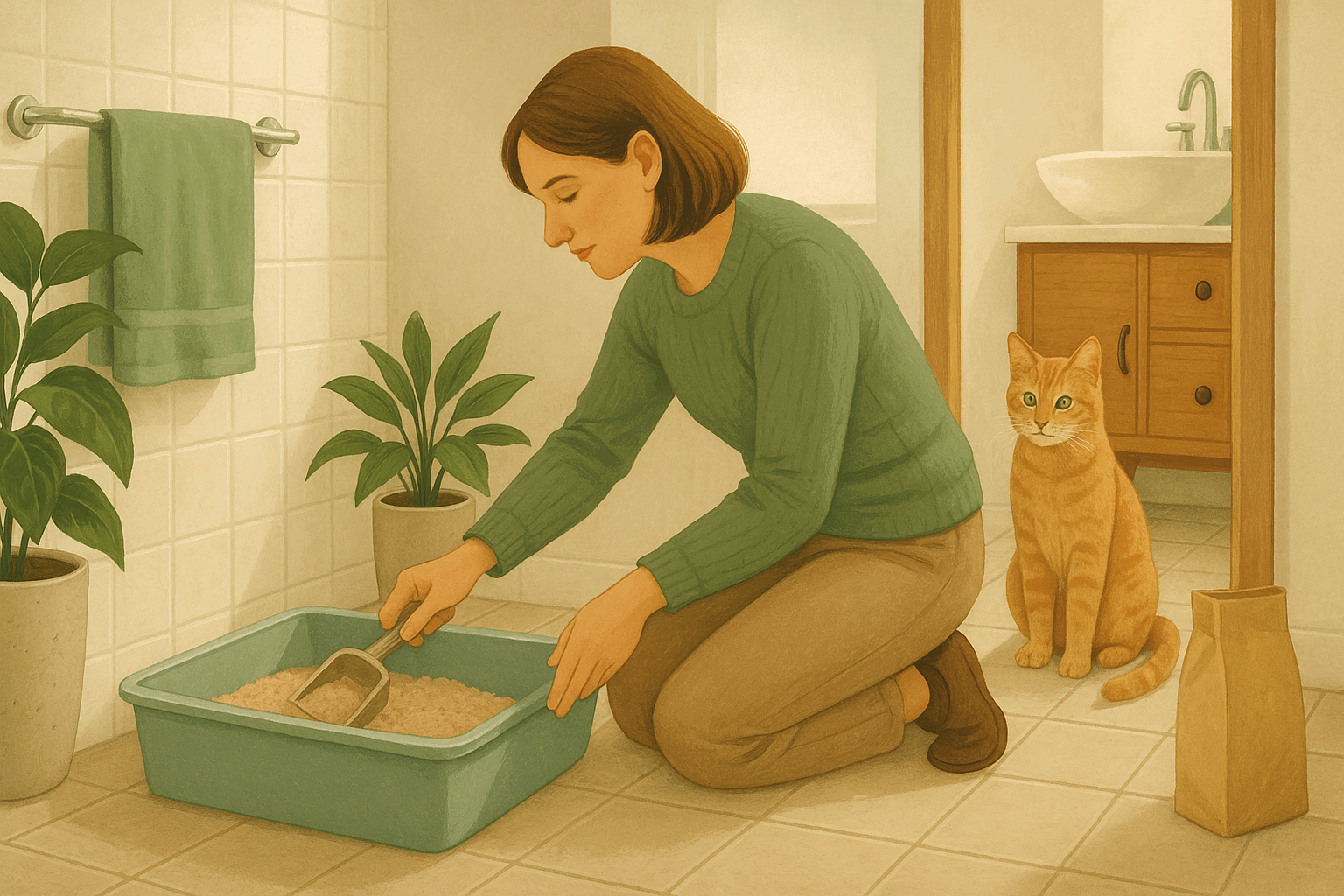
This is the most common one and the easiest to fix. A cat’s nose is far better than ours, so a box that smells “fine” to you can be unbearable to her. Scoop at least once a day and do a full litter change and wash on a regular schedule.1 In a small apartment this matters more, not less, because there’s nowhere for the smell to go and your cat is living right on top of it.
There aren’t enough boxes
The rule of thumb from both behaviorists and Cornell is one box per cat plus one extra, so two cats means three boxes.1 Cats don’t always like to share, and a single box in a multi-cat home becomes a contested space. Two boxes pushed side by side count as one to a cat, so spread them out. In a studio that’s awkward, I know, but even putting the second box in the bathroom and the first in a closet nook beats stacking them in one corner.
The litter or the depth is wrong
Most cats prefer a fine-textured, unscented clumping litter at a depth of about one to two inches.1 The heavily perfumed litters are made to please human noses and frequently put cats off. If you recently switched brands and the trouble started, that’s your suspect. Change back, then transition slowly if you still want to move her to something new.
The box or the spot feels wrong
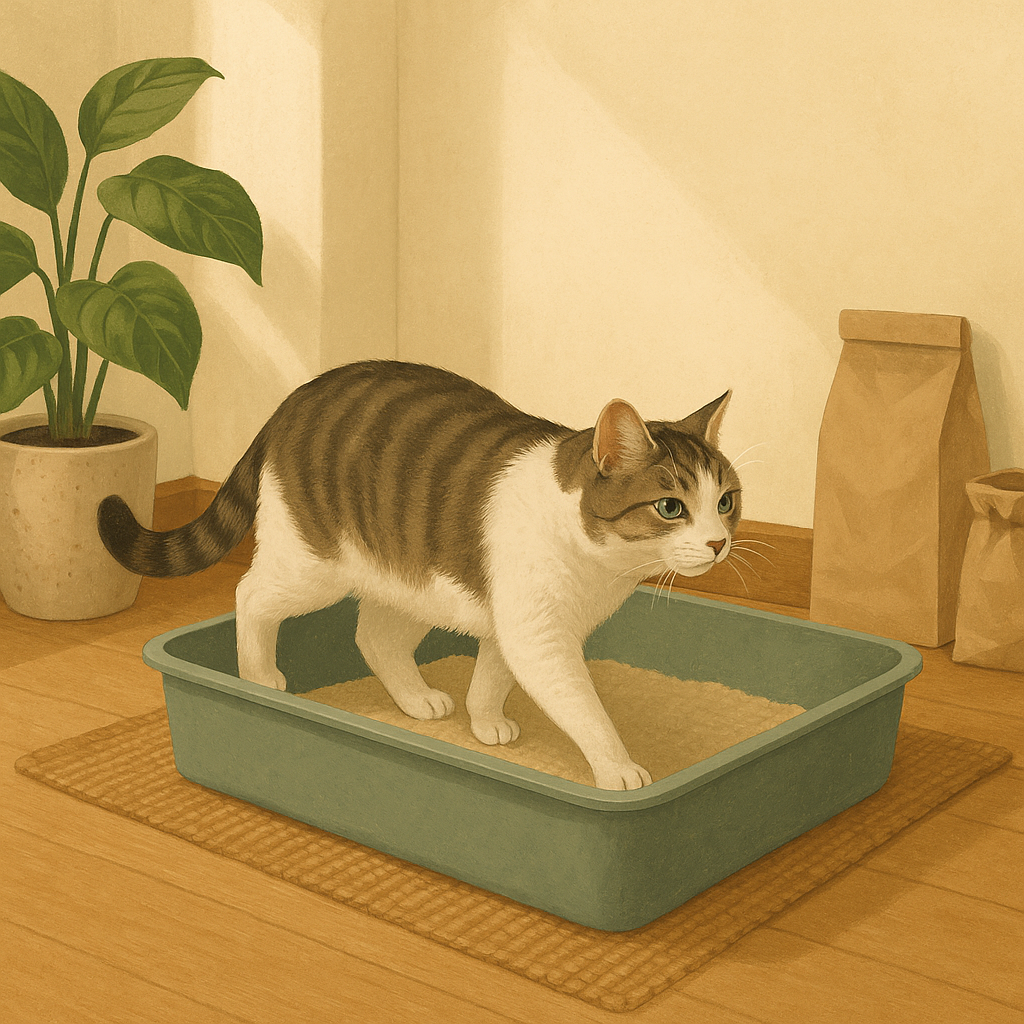
Most cats want a large box with low sides and no lid. An uncovered box lets odor escape and gives her a full view of the room so nothing can corner her while she’s vulnerable.1 Covered boxes trap smell and ambush sightlines, which is why a lot of cats quietly boycott them. A senior cat or a big cat needs an even bigger box with a low lip she can step over without straining. Location matters just as much: cats want a quiet, private spot, separate from food and water, that they can reach at any hour.1 A box next to a noisy washing machine or wedged behind a door that swings shut is a box a cat will start to avoid.
Something in the home changed
Cats soil outside the box when they’re stressed, and the trigger is often something we’d shrug off. A new cat or person, a move, a change in schedule, even a neighborhood cat visible through the window can do it. Tension between cats in the home is a frequent hidden cause, because one cat guarding the route to the box leaves the other no safe option. The AAFP’s house-soiling guidance treats reducing conflict and giving each cat its own resources as central to the fix, not an afterthought.4 If stress looks like the driver, our piece on whether pheromone diffusers actually work walks through one low-effort lever, and the indoor cat behavior and enrichment pillar covers the bigger picture of a calm, well-resourced home.
A reset that actually works
When a foster cat starts missing, I don’t change six things at once and hope. I rebuild the setup to the cat’s preferences and then change one variable at a time so I can tell what worked. Add boxes until you hit the one-per-cat-plus-one count and spread them around the home. Switch to a large uncovered box with a fine, unscented clumping litter at a shallow depth. Move at least one box to a quiet spot well away from food. Scoop daily without fail. Clean any soiled areas with an enzyme cleaner, because ordinary cleaners leave a scent marker that says “bathroom” to a cat and pulls her back to the same patch.
Then be patient. Give the new arrangement a week or two before you decide it failed, and don’t punish accidents. Scolding a cat for going outside the box teaches her that you’re frightening near her elimination, which makes her hide it better, not stop. If you’ve fixed the obvious and she’s still missing, that’s a cue to go back to the vet for a deeper look rather than to keep guessing at litters.
When it’s an emergency, not a habit
One version of this is not a behavior problem and cannot wait. A cat, most often a male cat, who is straining in the box and passing little or no urine may have a urinary blockage, and that is a true emergency.3 A blocked cat can go into kidney failure and die within a day or two without treatment.3 If you see repeated trips to the box with nothing produced, crying or obvious pain while trying, vomiting, lethargy or a hard, tender belly, get to a vet or an emergency clinic right away. Don’t wait for morning, and don’t wait to see if she settles.
Short of that, call your regular vet if the change in litter box habits is sudden, if there’s blood in the urine, if she’s going far more or far less than usual or if anything else about her seems off. When elimination changes overnight, the body is usually the first place to look.
The bottom line
A cat who stops using the box isn’t broken or vindictive. She’s reacting to pain, a box that offends her or a home that feels unsafe, and each of those has a fix. Rule out the vet first, especially with any straining. Then set the box up the way cats prefer it: clean, plentiful, large, open and somewhere quiet. Change one thing at a time and give it room to work. Domino, for what it’s worth, spent his last years as the most reliable cat in the house, asking nothing more than a clean box in a corner where no one bothered him.