Senior cat behavior changes: when it’s aging, and when it’s not
Night yowling, disorientation, house-soiling and new clinginess in an old cat can be feline cognitive dysfunction, or a treatable illness in disguise. How to tell, and how to help.


Night yowling, disorientation, house-soiling and new clinginess in an old cat can be feline cognitive dysfunction, or a treatable illness in disguise. How to tell, and how to help.

In a small home the litter box is a system you run, not a thing you set up once. How often to scoop and change, the right litter depth, box size and placement, and the odor control that actually works without pushing your cat off the box.

A plain-spoken guide to living with a Ragdoll: a large, slow-growing, unusually docile cat that follows you around, an easy-care silky coat and one inherited heart condition, HCM, that every prospective owner should plan around.
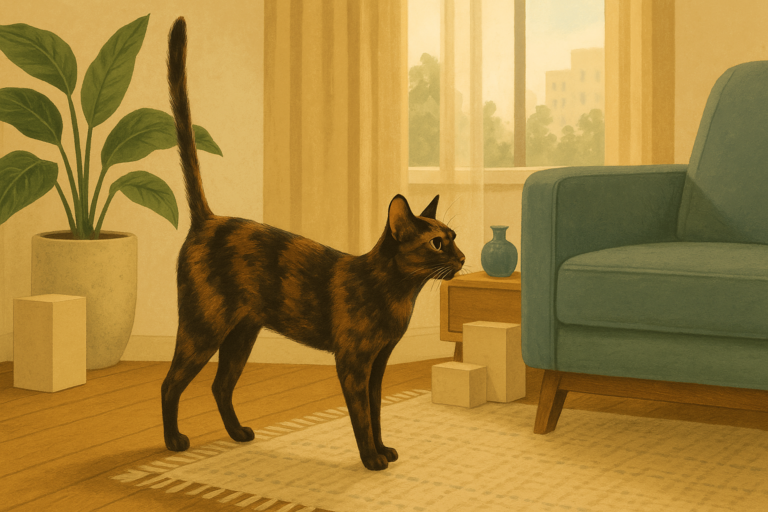
Spraying and peeing outside the box look alike but come from completely different places. How to read the surface, posture and volume to tell marking from a litter box or medical problem, and what actually stops it.

Leash training gives an indoor cat safe access to the outside world, but not every cat is a candidate. A step-by-step, go-at-your-cat’s-pace guide to the harness, the method and the safety prep before you open the door.

Yes, indoor cats get bored, and in a small home it comes out as the behavior that gets cats surrendered. This behavior guide reframes boredom as unmet needs, then walks through the enrichment levers that fix it: hunting for food, daily play, vertical space and a scratching outlet. Plus when the behavior is medical, not boredom.
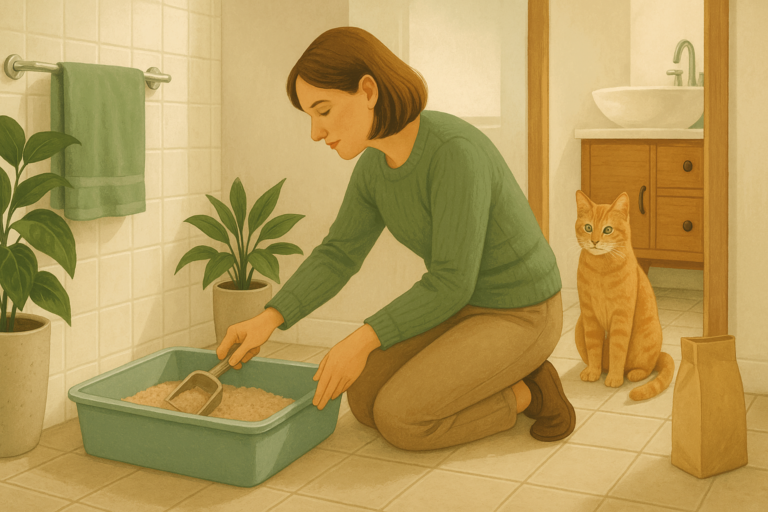
A cat who stops using the litter box is sending a signal, not a tantrum. This behavior guide rules out the medical causes first, including the urinary blockage that is a true emergency, then walks through the box, litter and location fixes that get most cats back on track.
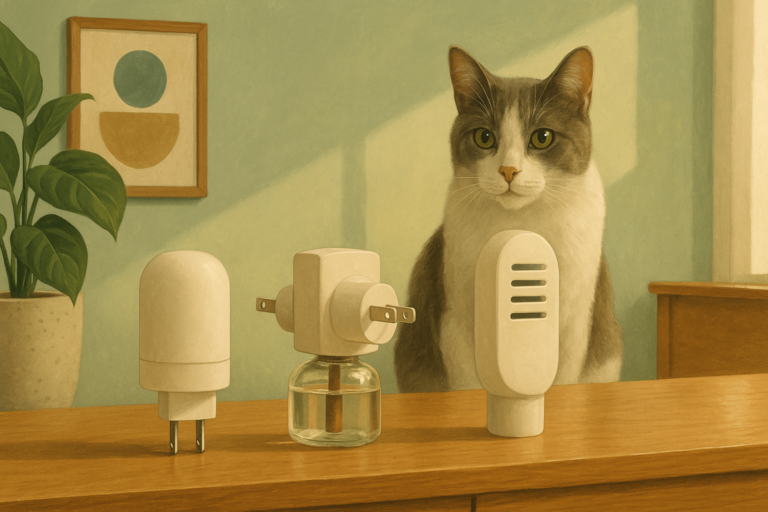
Feliway Classic, Feliway MultiCat and Comfort Zone look almost identical but solve different problems. Here’s what’s in each, what the research supports and which calming diffuser fits your cat.
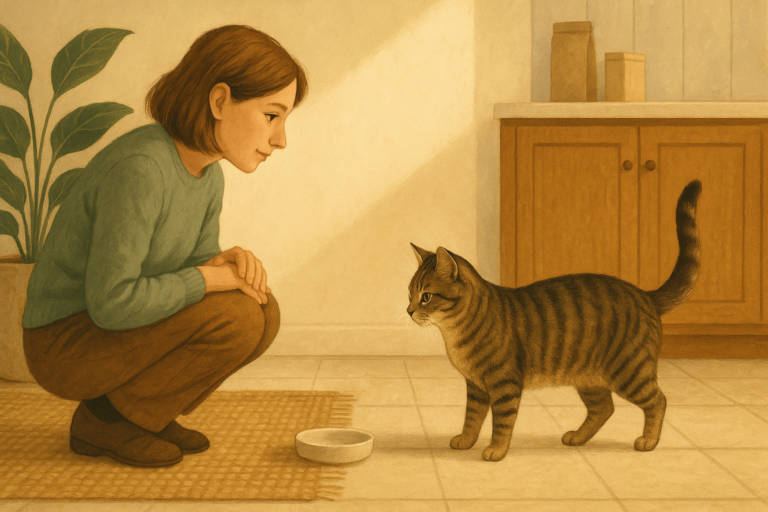
Most cat eating problems are a message, not stubbornness. This behavior-first guide sorts the common patterns by what they mean, links the in-depth fix for each, covers the levers that help almost any fussy eater and draws the 24 to 48 hour line that means a vet.
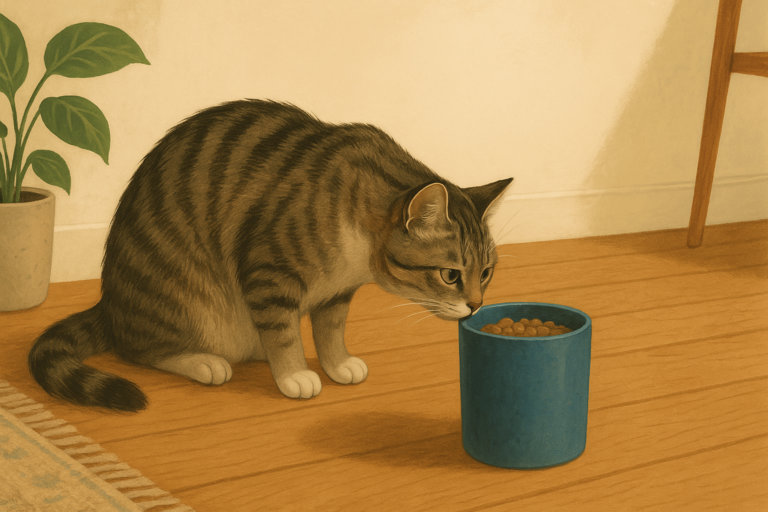
Your cat hesitates, flinches or eats from the very edge of her bowl. Here’s why cats act scared of the food bowl, the bowl and location fixes that work, the truth about whisker fatigue, and when it’s worth a vet visit.