Why does my cat eat too fast and then throw up?
This is the classic scarf-and-barf: a cat gulps a meal so quickly that her stomach rejects it, and up comes mostly undigested food a few minutes later

Research-backed guides on cat digestion, litter box issues, stool quality, and gut health.
This is the classic scarf-and-barf: a cat gulps a meal so quickly that her stomach rejects it, and up comes mostly undigested food a few minutes later
For a single bout in an otherwise bright, eating cat, you can offer simple support: keep fresh water available, feed a plain easily digested meal…
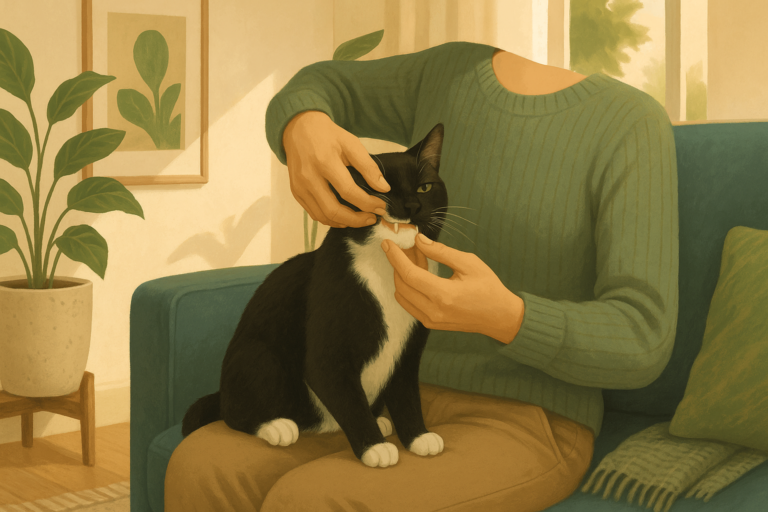
A cat who suddenly turns choosy is often eating around mouth pain, not rejecting the food. How to tell dental pain from real pickiness, what’s going on under the gumline and when a sore mouth becomes a vet visit.
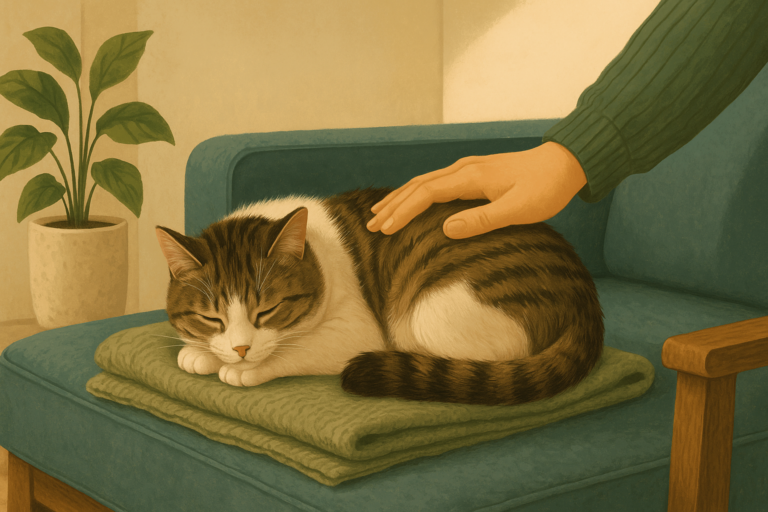
A cat that suddenly stops eating is not being picky. Why feline appetite loss escalates fast, what to do in the first 24 hours and when to call the vet.

Picky eating and true appetite loss are different problems. Here is how to tell them apart, the setup fixes that work, and when fussiness means a vet visit.
Scheduled wins for most indoor cats. Why free-feeding kibble leads to weight gain and hides appetite changes.
Transition over 7 to 10 days, slower for sensitive stomachs. The day-by-day mix and what to watch for.
Yes. A hairball lodged in the gut can cause appetite loss, vomiting and lethargy. This is the dangerous version.
Short coats still shed, especially seasonally, and indoor cats groom more than outdoor ones. When frequency means more than coat length.
Mildly. Most are mineral-oil-based lubricants or fiber. They help, but brushing does more — it removes hair before it’s swallowed.