Why do cats need taurine?
Taurine is an amino acid cats can’t make enough of on their own, so they have to get it from their diet, and it comes only from animal tissue

Taurine is an amino acid cats can’t make enough of on their own, so they have to get it from their diet, and it comes only from animal tissue
Occasional gas is normal, but truly foul, frequent gas usually traces back to diet or how she eats
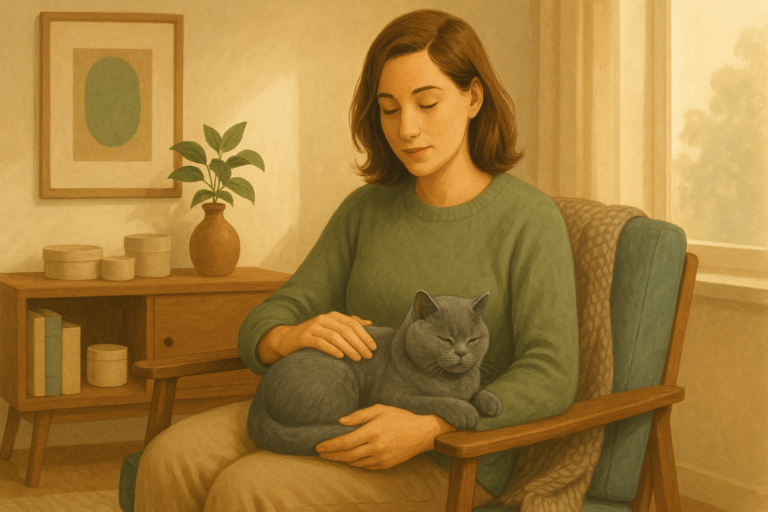
A cat eating less isn’t the same emergency as a cat eating nothing. The everyday reasons (stress, boredom, a change at home), the medical ones that hide in the same pattern, and how to tell which you’re dealing with before it turns into a bigger problem.
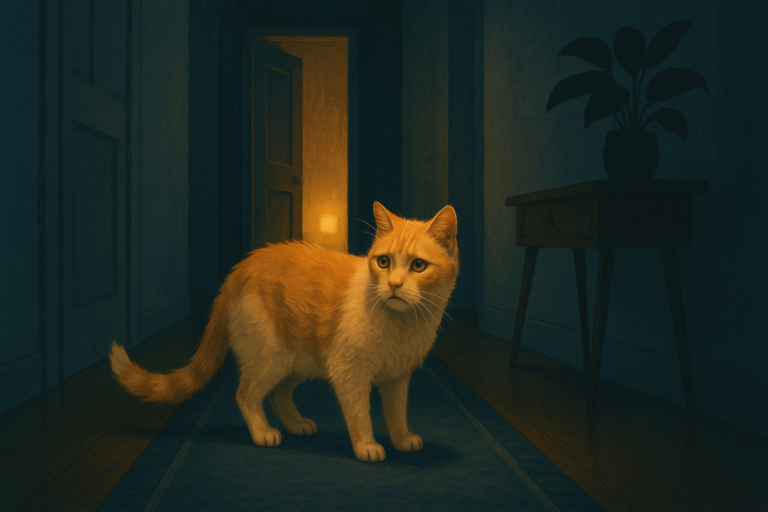
Night yowling, disorientation, house-soiling and new clinginess in an old cat can be feline cognitive dysfunction, or a treatable illness in disguise. How to tell, and how to help.
Most adult cats are
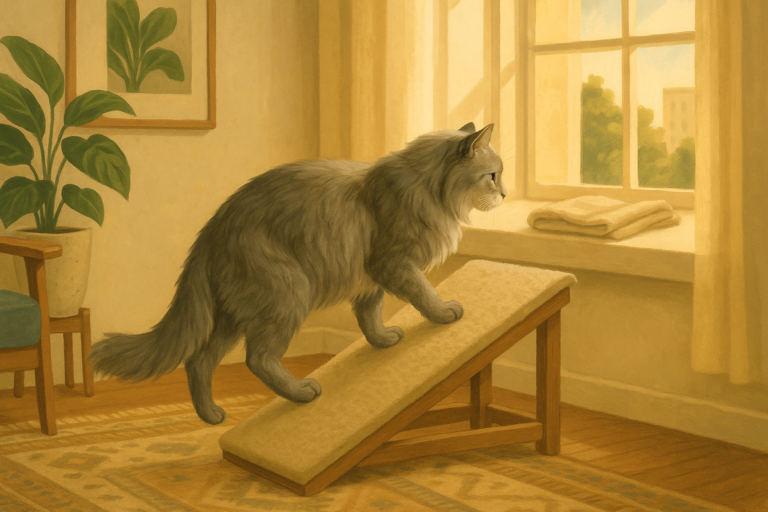
Aging isn’t a disease, but the changes it brings often are. A practical checklist for senior-cat owners: when a cat becomes senior, the vet-visit schedule that catches problems early, the five things to watch at home and how to make the house kind to old joints.
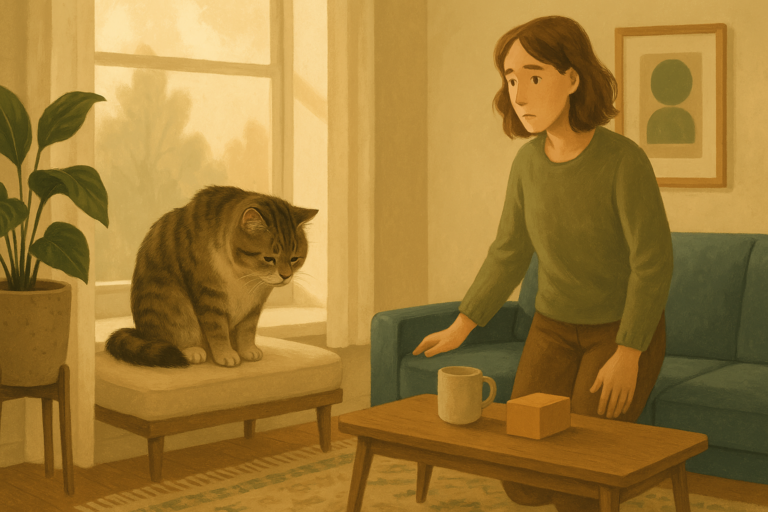
Cats hide illness, so knowing which signs can’t wait is half the battle. A plain triage guide to feline red flags: the emergencies to act on tonight, the signs that warrant a same-day call and the slow changes worth a booked visit.
Classic ringworm shows up as a round patch of hair loss with flaky, crusty or reddened skin, often on the head, ears or paws, though it doesn’t…
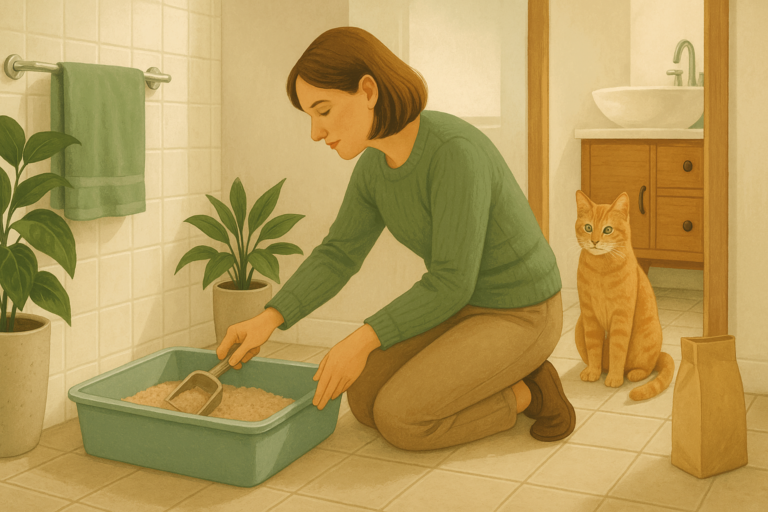
A cat who stops using the litter box is sending a signal, not a tantrum. This behavior guide rules out the medical causes first, including the urinary blockage that is a true emergency, then walks through the box, litter and location fixes that get most cats back on track.
For a single bout in an otherwise bright, eating cat, you can offer simple support: keep fresh water available, feed a plain easily digested meal…