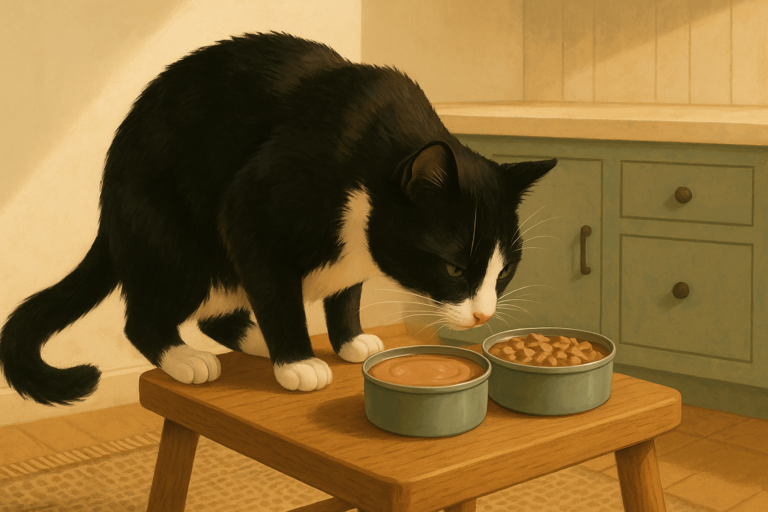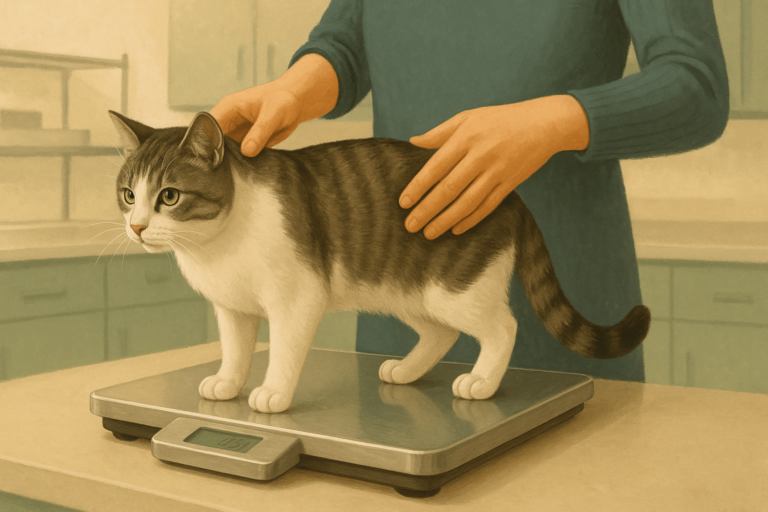
My cat suddenly won’t eat: when picky becomes an emergency
A cat that suddenly stops eating is not being picky. Why feline appetite loss escalates fast, what to do in the first 24 hours and when to call the vet.
Picky eating and true appetite loss are different problems. Here is how to tell them apart, the setup fixes that work, and when fussiness means a vet visit.
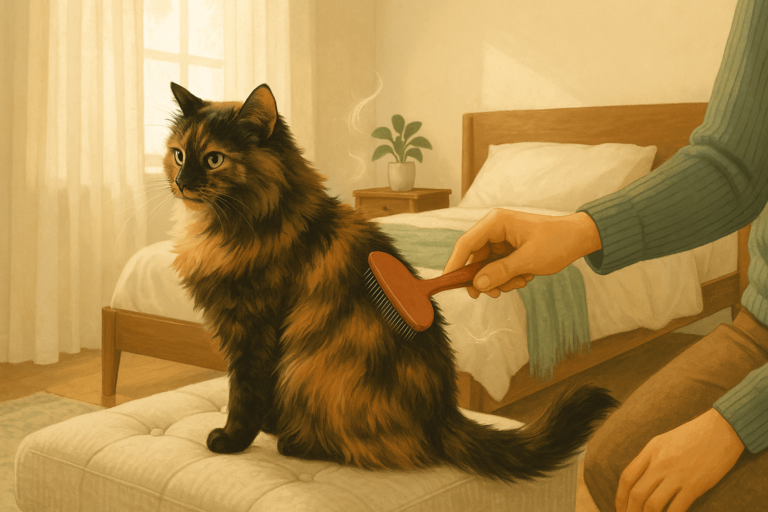
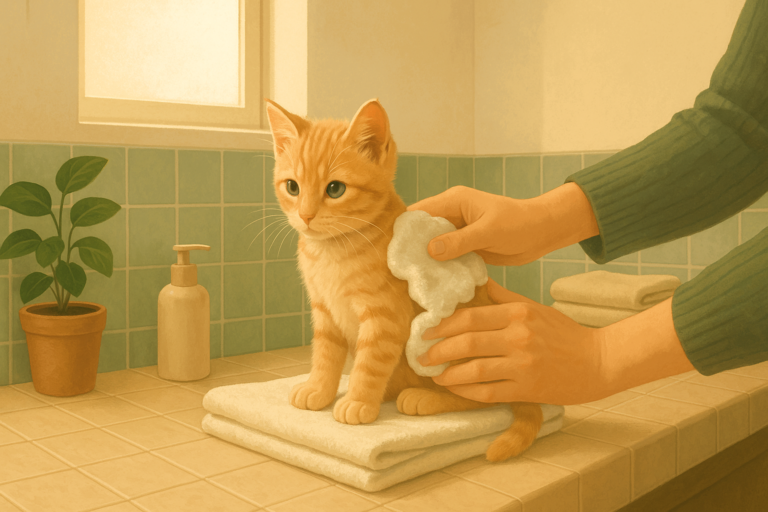
The practical playbook for indoor cat coat and skin: what normal looks like, the highest-leverage fixes, and when symptoms mean a vet visit.
Indoor cats shed year-round because their environment is stable. What’s normal heavy shedding versus a vet visit.
Modestly, yes — for cats with skin or inflammatory conditions. For healthy cats on a complete diet, evidence is weaker than marketing claims.
Most cat dandruff is dry winter air or a cat who can’t groom her own back. When it’s medical, and what helps with the rest.
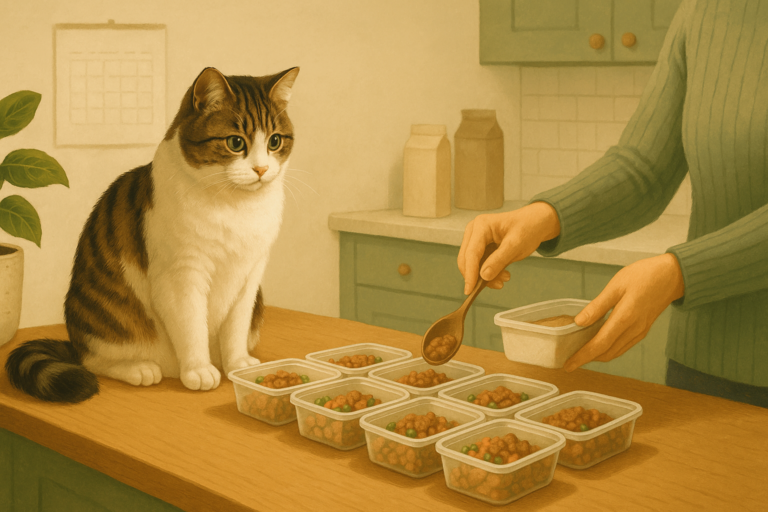
Canned is at least 75% water, kibble is 6-10%. The math behind why hydration tilts toward wet food, and when dry food is fine.
A food allergy is the immune system attacking a protein and shows up as itchy skin. A food intolerance is a digestive problem with no immune system involved. Here’s how to tell them apart, why grain-free rarely helps, and why an elimination diet is the only reliable test.
Both work modestly. Brushing does more. The evidence-based comparison between hairball-control foods and supplements.
The practical playbook for indoor cat digestion: what normal looks like, the highest-leverage fixes, and when symptoms mean a vet visit.