Can a cat be vegetarian or vegan?
No, not safely

Research-backed guides on cat food, ingredients, life-stage feeding and weight management for indoor cats.
No, not safely

Purina Pro Plan and Blue Buffalo Wilderness are two of the most cross-shopped mass-premium cat foods on the shelf. Here’s how their AAFCO validation, guaranteed analysis and ingredient lists actually differ, and which one fits an indoor cat.
Cooked eggs, plain and in small amounts, are fine as an occasional addition and are a genuinely good source of protein
Yes, more than owners tend to assume
For most healthy adult cats, yes, as long as the total daily food amount is right and she handles the longer gap comfortably
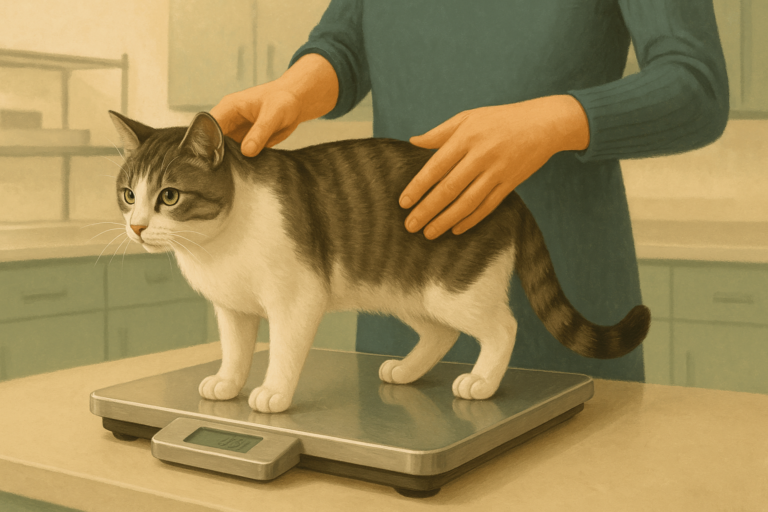
A diabetes diagnosis usually comes with a low-carb diet recommendation, but the carbohydrate number isn’t on most labels. Dr. Elsey’s cleanprotein, Wellness CORE+ Indoor and Tiki Cat Born Carnivore compared on protein, formulation and how to check the carb math yourself, plus why this is one food swap worth coordinating with a vet.
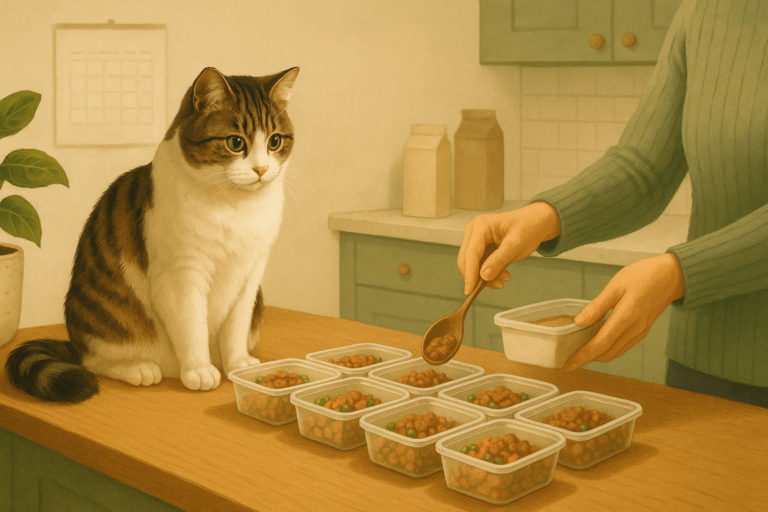
The Nutrition hub: why indoor cats need different portions than the bag assumes, how to read an AAFCO label, wet vs dry, life-stage marketing vs the actual rules, treats, taurine, weight and hydration, with links to every deeper guide on the topic.
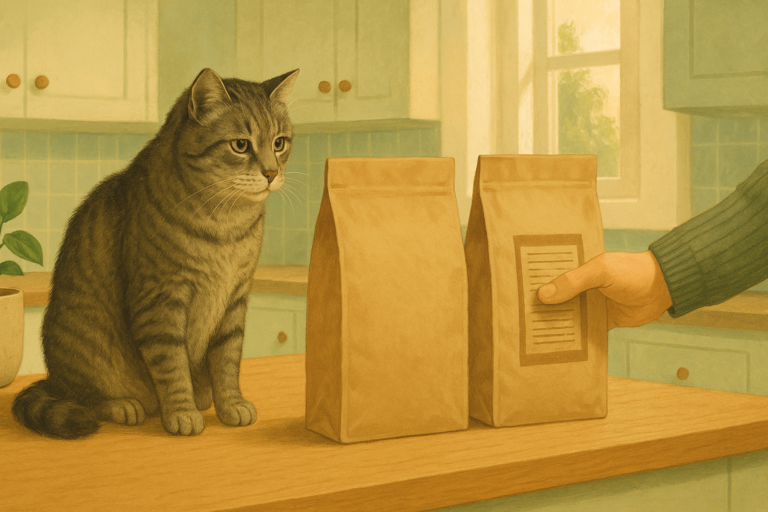
“Senior” isn’t an AAFCO-regulated life stage, and protein needs don’t drop with age. Here’s what actually changes for older cats, and the two dry foods worth trying.
Start with the AAFCO statement, usually in small print on the back
Keep treats to no more than about 10 percent of her daily calories, with the other 90 percent coming from a complete, balanced food