Can cats eat tuna?
A little canned tuna as an occasional treat is fine for most cats, but it shouldn’t be a regular meal

Research-backed guides on cat food, ingredients, life-stage feeding and weight management for indoor cats.
A little canned tuna as an occasional treat is fine for most cats, but it shouldn’t be a regular meal
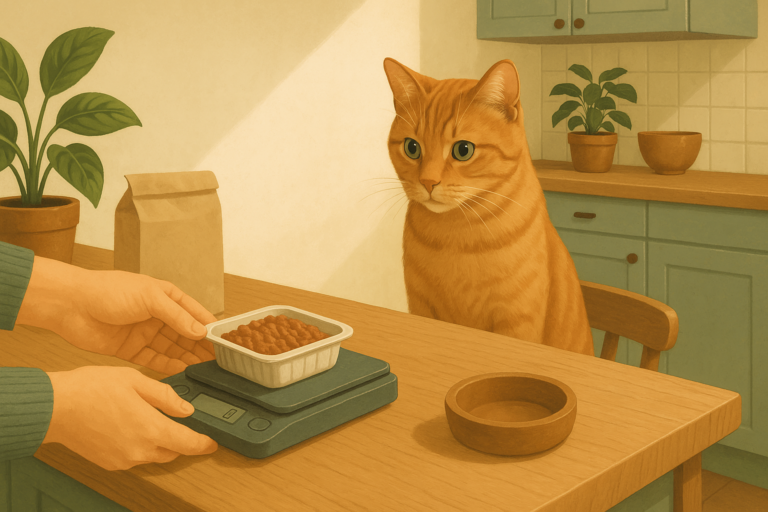
An indoor cat’s life is lower-energy by design, which makes wet food’s extra water and protein a real asset. Four wet foods for an indoor cat’s routine, what to check on the label, and why feeding schedule matters as much as the food.
Several everyday foods are genuinely dangerous
Not inherently
It depends on her weight, age and the calorie density of the food, so the bag’s feeding guide is a starting point, not gospel
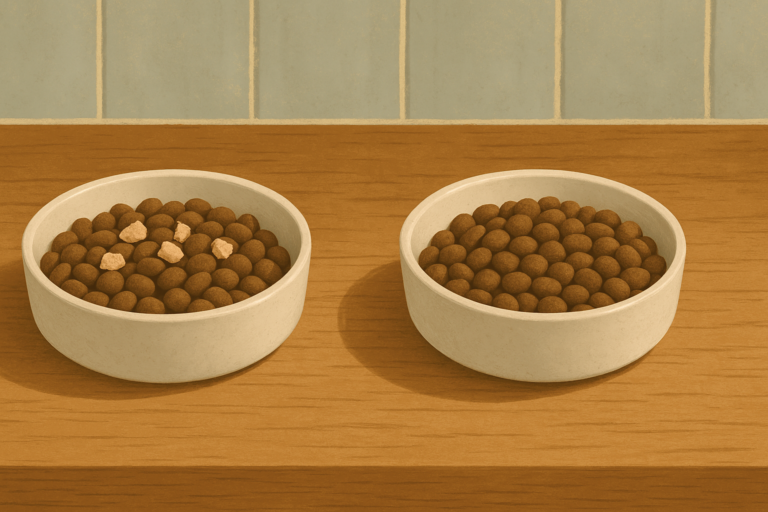
Instinct Raw Boost and Blue Buffalo Wilderness look like the same grain-free, high-protein kibble, but one coats every piece in real freeze-dried raw chicken and the other mixes in a vitamin bit. Here’s how they compare on ingredients, protein, price and which fits an indoor cat.
Both can be complete and balanced, so neither is simply better, but they have different strengths
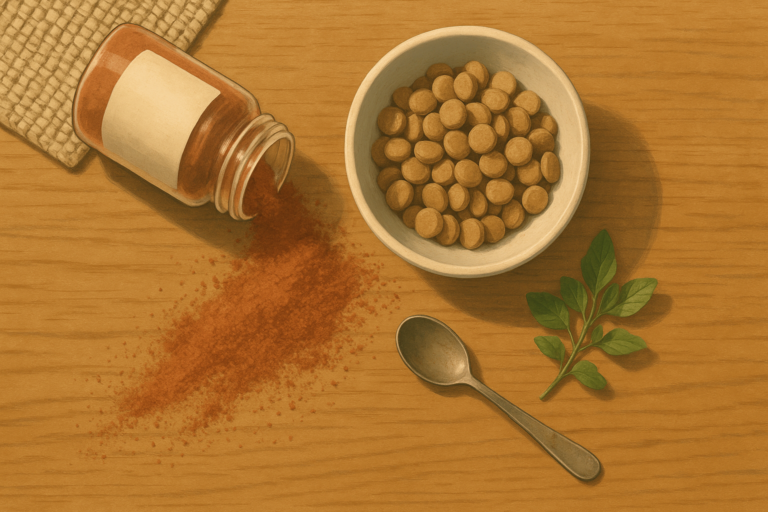
Magical Dinner Dust is a freeze-dried raw topper you sprinkle over food to win over a picky cat. Here is what it is, how to use it, who it suits and the honest limits, including why it is a topper and not a meal.
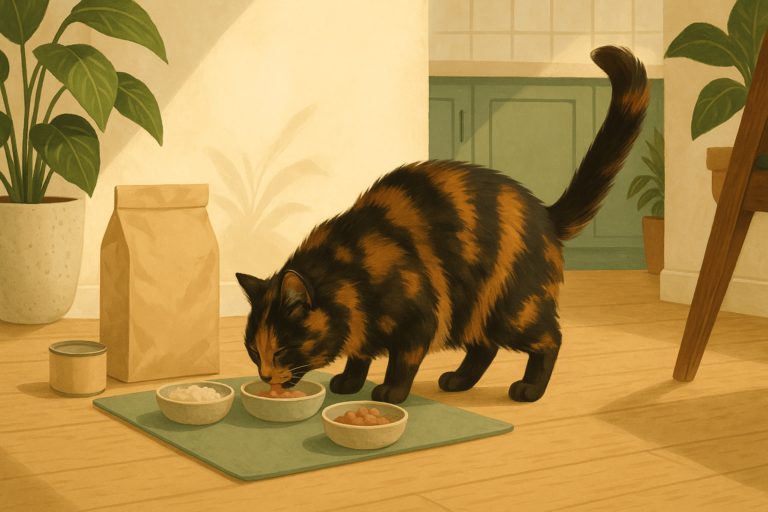
Cat loves a food for a week, then snubs it? She is a flavor fatiguer, and she is built to want variety. Here are the variety packs and toppers to rotate, how to rotate without upsetting her stomach, and the line between boredom and illness.
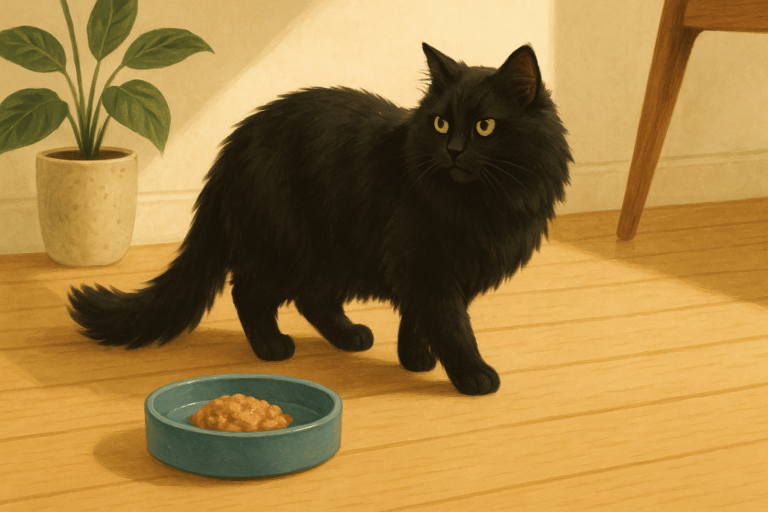
Cat eats a few bites then walks away, but eats a fresh scoop minutes later? She is a texture and smell critic. Here’s why a cooling, sat-out bowl loses its appeal, how to serve food the way she’ll eat it, and the safety line that tells fussiness from illness.