Indoor cat behavior and enrichment: what works, what doesn’t
The practical playbook for indoor cat behavior and enrichment: what cats actually need, the highest-leverage setup changes, and when behavior is a vet visit.

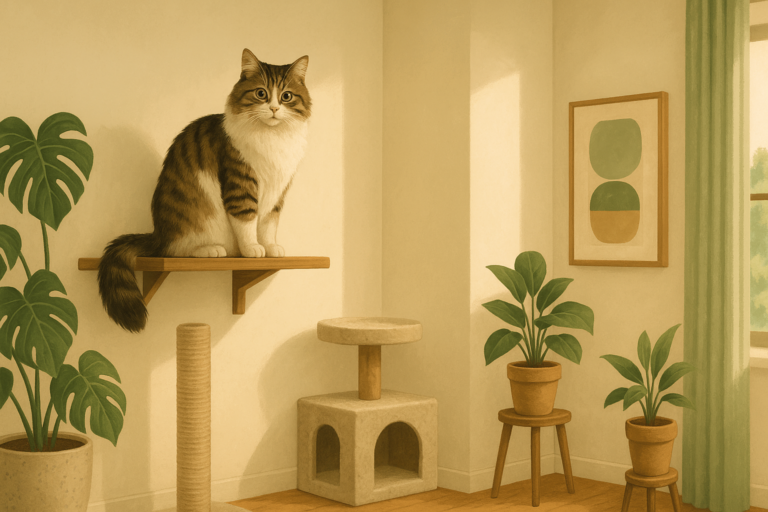
The practical playbook for indoor cat behavior and enrichment: what cats actually need, the highest-leverage setup changes, and when behavior is a vet visit.
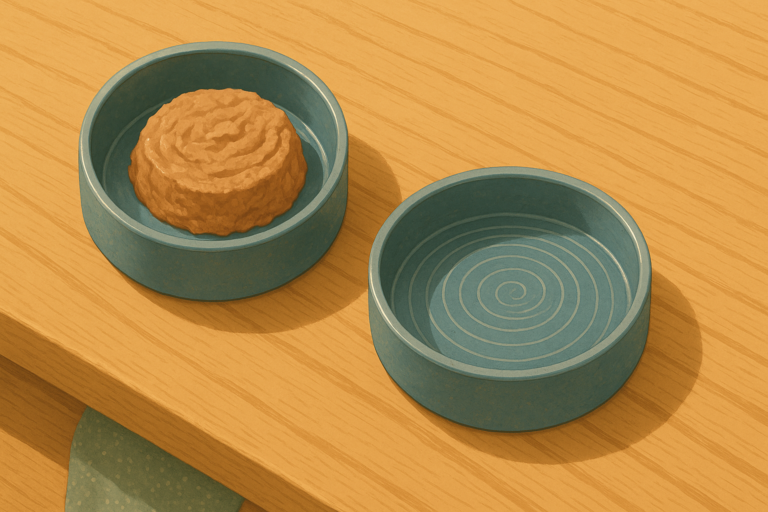
Canned is at least 75% water, kibble is 6-10%. The math behind why hydration tilts toward wet food, and when dry food is fine.
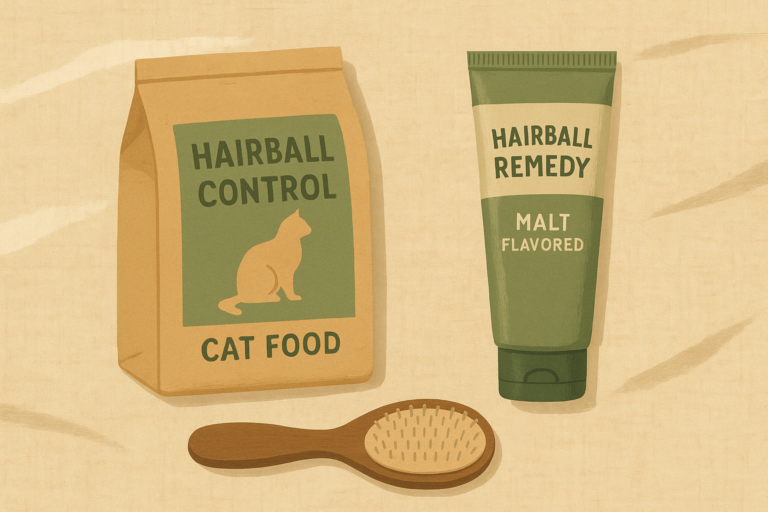
Both work modestly. Brushing does more. The evidence-based comparison between hairball-control foods and supplements.
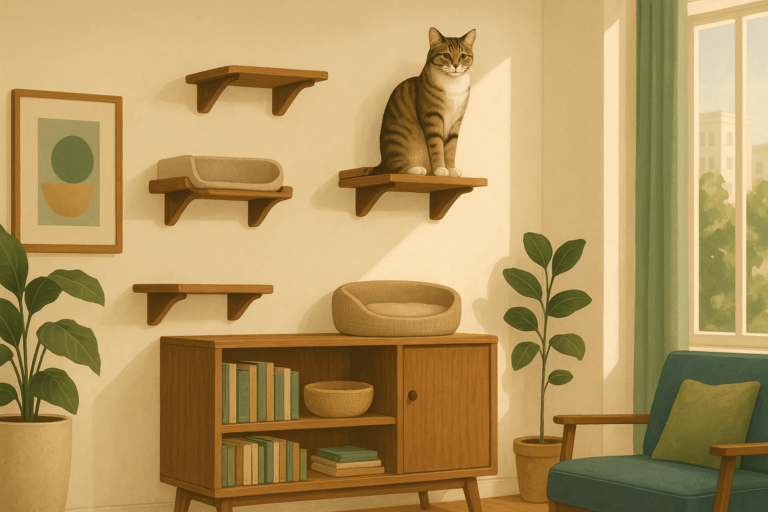
A small apartment can hold a lot of cat territory if you build upward. The apartment-design guide to vertical space.
Yes, and indoor cats especially. Bored cats over-groom, gain weight, sleep more than they should, or get destructive. Enrichment is the fix.
Often yes. Fleas hitch in on shoes, other pets and visitors. Year-round prevention is what most vets recommend; ask yours.
Regular brushing, HEPA filtration in the bedroom, weekly wash of soft furnishings. Three moves do most of the work.
Yes, modestly. HEPA filtration removes dander particles from the air. One unit in the bedroom does more than a small one everywhere.
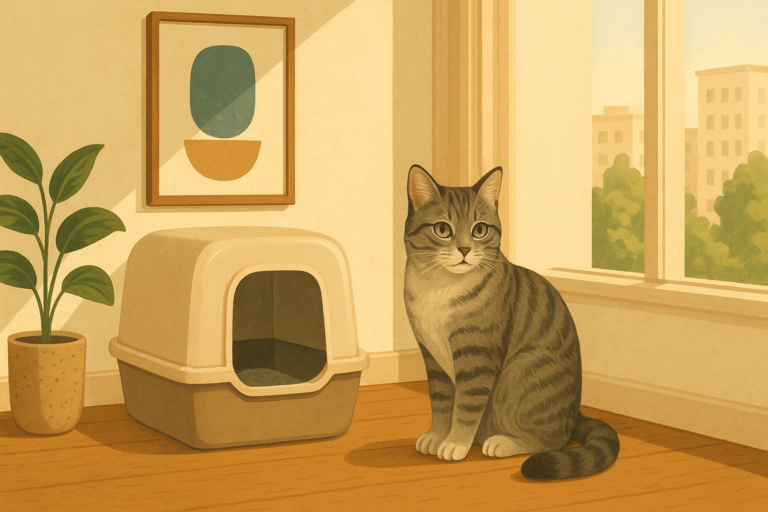
The practical playbook for indoor cat digestion: what normal looks like, the highest-leverage fixes, and when symptoms mean a vet visit.

Clear-liquid vomit usually means an empty stomach. Here’s when it’s a quick feeding fix and when it’s a vet call.