Tiki Cat vs Weruva for sensitive stomachs: which wet food actually helps?
At the intake desk, “sensitive stomach” was the phrase owners reached for more than almost any other, usually while holding up two cans and asking which one would finally settle a cat’s stomach for good. Most of the time they’d already tried three or four chicken-flavored cans in a row, switching brands every time the soft stool came back, without realizing the one ingredient repeating across every can never changed. Tiki Cat After Dark and Weruva Classic Cat both get recommended for sensitive stomachs, but they solve slightly different versions of the problem. Weruva wins when getting away from chicken is the real goal. Tiki Cat wins when your cat does fine on chicken and you want the simpler can.
As Amazon Associates we earn from qualifying purchases. Some links in this post are affiliate links; if you buy through them, we earn a small commission at no extra cost to you. We only recommend products we’ve used or researched thoroughly. See our full disclosure for details.
How they compare at a glance

Tiki Cat After Dark Variety Pack
12 x 2.8 oz cans · 6 recipes, all chicken-broth based
- ✓ All-meat recipes with no added vegetables or grain
- ✓ Grain-free and carrageenan-free
- ✓ High moisture broth format for extra hydration
on Amazon
Price as of Oct 26, 2026, 9:21 AM EDT. Product prices and availability are accurate as of the date/time indicated and are subject to change.

24 x 3 oz cans · 11 recipes, chicken and fish based
- ✓ Human-grade sourced meat and fish, hand-flaked rather than ground into a paste
- ✓ Grain-free, gluten-free and carrageenan-free
- ✓ Several recipes built on fish instead of chicken
on Amazon
Price as of Oct 26, 2026, 9:21 AM EDT. Product prices and availability are accurate as of the date/time indicated and are subject to change.
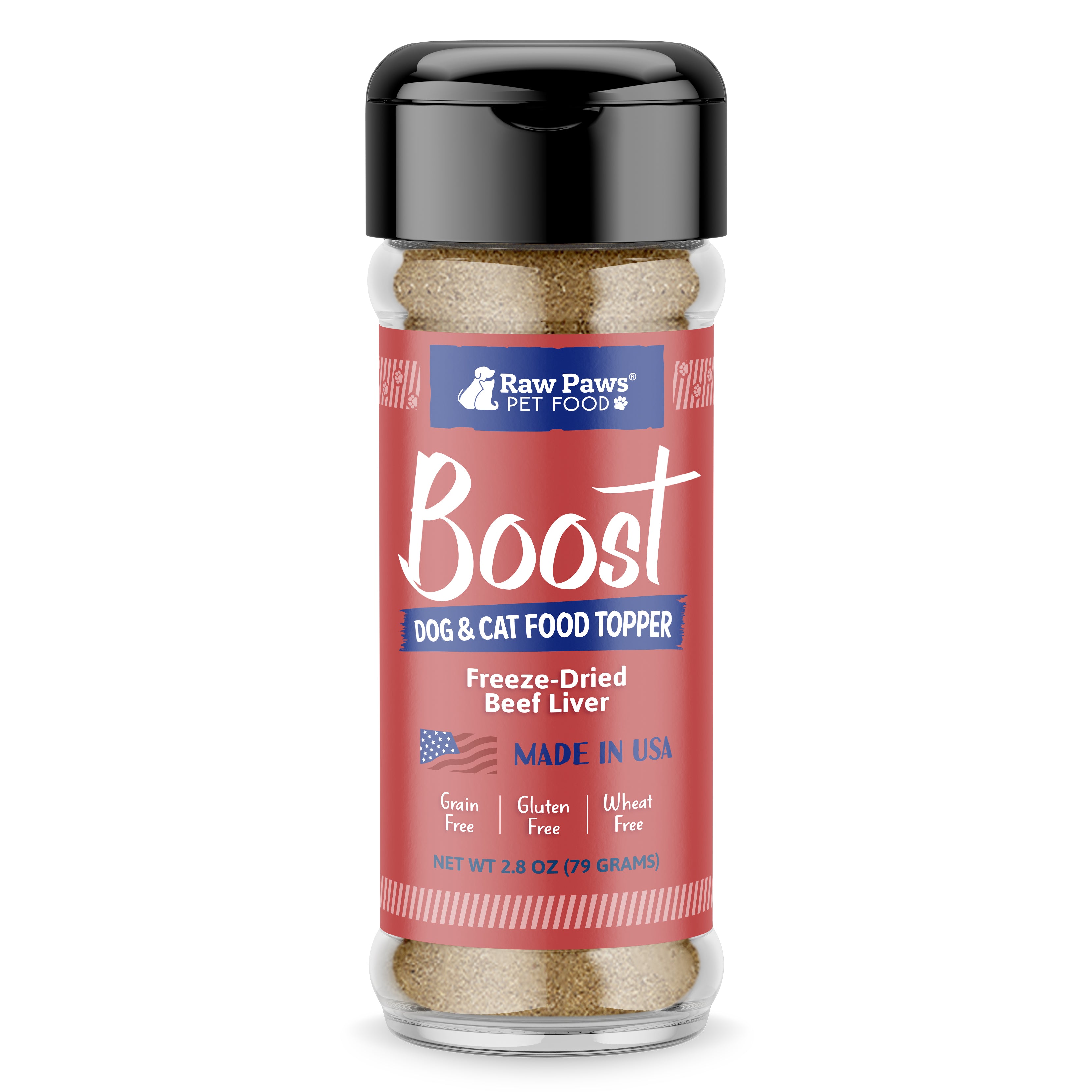
Boost Freeze Dried Beef Liver Topper (Raw Paws)
3.2 oz shaker jar · single-ingredient beef liver · sprinkle over either pick above
- ✓ Single-ingredient: freeze-dried beef liver, nothing else added
- ✓ Works as an add-on to whichever food you choose above — not a replacement
- ✓ No preservatives, fillers, flavors or colors
- ✓ Also available in a Wisconsin cheddar cheese recipe for a milder scent
on Raw Paws Pet Food
Price as of Oct 26, 2026, 9:21 AM EDT. Product prices and availability are accurate as of the date/time indicated and are subject to change.
| Tiki Cat After Dark | Weruva Classic Cat | Staff Pick: Beef Liver Topper | |
|---|---|---|---|
| Base protein | Chicken broth in every recipe, even the duck, lamb and pork blends | Mixed: several recipes lead with fish or seafood instead of chicken | Beef liver, single ingredient — a different protein than either can above, useful for scent variety |
| Ingredient list | Meat, organ and broth only, no vegetables or grain added | Meat or fish, broth and a few named vegetables in some recipes | Beef liver only, freeze-dried, nothing else added |
| Recipe count | 6 recipes across 12 small cans | 11 recipes across 24 small cans | 1 (beef liver); a cheddar-cheese topper is also available |
| Additives skipped | No carrageenan, no artificial preservatives | No carrageenan, no grain, gluten, corn, wheat or soy | No preservatives, fillers, flavors or colors |
| Best fit | A cat that already tolerates chicken and needs a simpler can | A cat you’re trying to rotate away from chicken without a full elimination diet | A cat on either can above that still needs a stronger aroma signal to finish the bowl |
The short version
- Neither is a true elimination diet. Both still lean on chicken, one of the protein sources most often behind an actual feline food allergy, so if your vet suspects a real allergy behind the GI signs, these two don’t substitute for a novel-protein or hydrolyzed trial. [1]
- Tiki Cat‘s edge is simplicity. Six recipes, all built on a chicken broth base, with no vegetables or grain added at all.
- Weruva‘s edge is actual protein variety. Several of its 11 recipes are fish-forward rather than chicken-forward, closer to a real rotation if chicken itself is the suspected trigger.
- Both skip carrageenan, a thickener some owners try to avoid, though the evidence tying it to cat digestive upset specifically is thin.
- Both run high moisture, which matters more for hydration and stool consistency than either brand’s marketing copy calls out. [2]
- For a cat with occasional soft stool from switching foods too often rather than a diagnosed allergy, either can is a reasonable step up from a filler-heavy grocery-store can.
In this guide
What “sensitive stomach” wet food solves ·
All-meat versus true rotation ·
The carrageenan question ·
Which one fits an indoor cat ·
When it’s really a food allergy ·
How I compared them ·
Common questions ·
When to talk to your vet
What “sensitive stomach” wet food solves
“Sensitive stomach” isn’t a diagnosis. It’s a shelf label, and it covers two different problems that owners often lump together. One is a true food allergy, where a cat’s immune system has learned to react to a specific protein or carbohydrate after months or years of exposure. [1] The other, far more common, is plain digestive inconsistency: a cat that gets loose stool or vomits after a food switch, a new treat or a can with a heavier filler load than the last one. Tiki Cat After Dark and Weruva Classic Cat are both aimed at that second, more common problem. Neither is marketed or formulated as a true allergy diet, and knowing which problem you’re dealing with changes which can is worth reaching for.
All-meat versus true rotation
Tiki Cat After Dark‘s six recipes read like a butcher’s counter: chicken, chicken and quail egg, chicken and duck, chicken and lamb, chicken and beef, chicken and pork. Every single one starts from a chicken broth base, then adds a second protein on top. That’s a genuinely short, recognizable ingredient list with no added vegetables, fruit or grain, which is the part of the “sensitive stomach” marketing story that actually holds up. It is not, though, a way to rotate away from chicken. If your cat is showing signs after months on a chicken-based diet, moving between these six cans just changes the second ingredient. The base stays the same.
Weruva Classic Cat‘s 11 recipes spread wider. A few, like Paw Lickin’ Chicken and Grandma’s Chicken Soup, are chicken-forward the same way Tiki Cat’s line is. Others, like Mack & Jack and Amazon Livin’, lead with fish instead. That gives an owner who suspects chicken specifically a real option to try something else within the same brand and format, rather than only a different flavor of the same base ingredient. Weruva also sources human-grade meat and fish, hand-flaked into visible pieces rather than a uniform paste, which some cats simply eat more readily. That’s a texture preference, not a digestive one, but it matters if the goal is getting a fussy cat to finish the can at all.
The carrageenan question
Both brands advertise carrageenan-free recipes, and it’s worth knowing why some owners look for that in the first place. Carrageenan is a seaweed-derived thickener used in a lot of pate and gravy-style wet foods to hold the texture together. A subset of pet owners avoid it because of research in other species suggesting it can irritate the gut lining at high concentrations, but the evidence specific to cats eating it at normal pet-food levels is thin and not something a Tier-1 veterinary source has settled either way. I wouldn’t rule a can in or out on carrageenan alone. If your cat already does well on a carrageenan-containing food, this isn’t a reason to switch. If you’re already troubleshooting soft stool and want to remove one more variable, both of these lines let you do that without giving anything up on ingredient quality.
Which one fits an indoor cat
Indoor cats eat less naturally varied a diet than an outdoor cat scavenging or hunting on the side, which is part of why the same protein shows up meal after meal for years. Canned food’s high moisture content also does real work for an indoor cat that isn’t drinking much on its own, since dehydration itself can slow digestion and firm up stool in a way that mimics a food problem. [2] If your indoor cat handles chicken fine and you want a cleaner ingredient list than a standard grocery-store pate, Tiki Cat After Dark‘s simplicity is the easier, cheaper starting point. If you’ve already tried two or three chicken-based cans without improvement and want to genuinely test a different base protein before involving your vet, Weruva‘s fish-forward recipes are the more useful next step.
When it’s really a food allergy
Cornell’s Feline Health Center notes that an estimated 10 to 15 percent of cats with a diagnosed food allergy show gastrointestinal signs like vomiting or diarrhea, most often alongside itching around the head and neck. [1] The catch is that most feline food allergies trace back to a protein the cat has already been eating for a long time, chicken among the most common, not something new. Diagnosing one properly means a true elimination trial: a novel protein the cat has never eaten, like venison or rabbit, or a vet-prescribed hydrolyzed diet, fed exclusively for eight to twelve weeks with nothing else, not even flavored medication or treats. [3] Neither Tiki Cat nor Weruva is built for that trial. They’re both still working with the common allergy-linked proteins. If your cat has persistent GI signs plus skin or coat changes that don’t clear up with a simpler can, that’s the point to loop in your vet rather than keep shopping the wet-food aisle.
How I compared them
This is a researched comparison, not a feeding trial: I haven’t fed these two side by side in my own home, so I won’t claim I did. What I did do is read through both product lines’ full flavor lists and ingredient panels, cross-check what each brand excludes against Cornell’s guidance on how feline food allergies tend to develop and check current pricing across retailers rather than one. That’s also where I landed on the honest limitation of my own top pick. Weruva wins on protein variety, but its cans run smaller at 3 ounces against Tiki Cat’s 2.8 ounces for a similar price, so you’re paying a bit more per ounce for that rotation. Where the two genuinely tie, both skip carrageenan and both avoid grain, I’ve said so instead of manufacturing a difference just to fill out a comparison.
Common questions
Can I mix Tiki Cat and Weruva flavors in the same rotation?
Yes, as long as your cat isn’t in the middle of a true elimination trial. Outside of that, rotating flavors and even brands is fine and can help avoid a cat locking onto one exclusive preference. [2]
Is grain-free the same thing as good for a sensitive stomach?
No. Grain-free just means no wheat, corn or rice in the recipe. It says nothing about whether the protein source is one your specific cat tolerates well, which is the variable that actually matters for GI signs.
How fast should I expect to see a difference after switching?
For ordinary digestive inconsistency, a week or two of a consistent food, introduced gradually rather than swapped overnight, is a reasonable window. A true allergy trial takes far longer, eight to twelve weeks minimum, and needs to be the only thing your cat eats during that stretch. [3]
When to talk to your vet
Call your vet before trying a third or fourth “sensitive stomach” can on your own if the soft stool or vomiting has lasted more than a few days, if you’re also seeing itching, hair loss or skin lesions around the head and neck, or if your cat is losing weight. [1] Those combined signs point toward something a food switch alone won’t fix, and a proper elimination diet needs to be run under your vet’s direction to mean something diagnostically.
The bottom line
- Choose Tiki Cat After Dark if your cat already tolerates chicken and you want the simplest, all-meat can you can find.
- Choose Weruva Classic Cat if you suspect chicken itself is part of the problem and want a genuine fish-forward option before involving your vet.
Both are a real step up from a filler-heavy grocery-store pate. Neither replaces a proper diagnosis if the signs stick around.
Sources
More digestion guides
- Indoor cat digestion: what works, what doesn’t
- Best wet cat food for sensitive stomachs: 5 vet-informed picks
- Purina Pro Plan EN Gastroenteric vs Hill’s i/d: which prescription GI diet fits your cat?
- Best hairball-control cat foods: the three worth trying
- Best probiotics for cats: the three I’d actually reach for
- Why is my cat’s poop runny or loose?
- How do I switch my cat’s food without upsetting her stomach?