Bristle vs slicker vs pin brushes for cats: which one fits your cat’s coat?
Bristle, pin and slicker brushes do three different jobs. Here is how each one works, which coat it suits and which cat each fits, with the grooming research behind it.

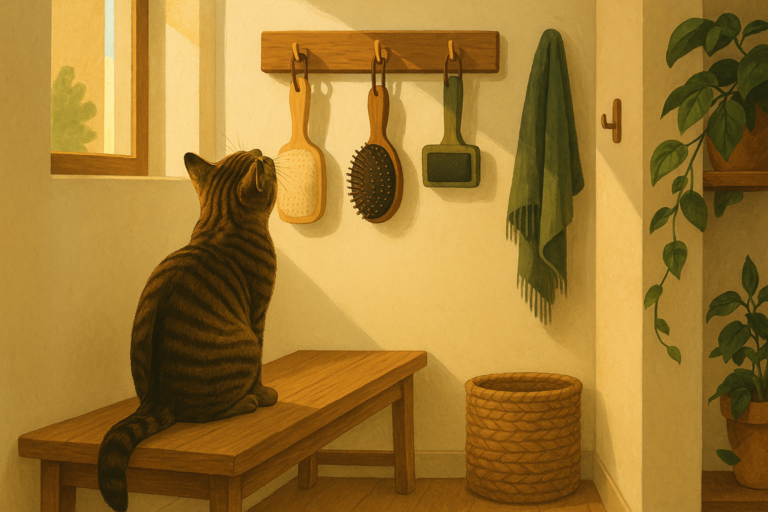
Bristle, pin and slicker brushes do three different jobs. Here is how each one works, which coat it suits and which cat each fits, with the grooming research behind it.

Both are fragrance-free no-rinse formulas, but one is a foam you rub in and the other a spray you brush through. Here’s how Earthbath and Burt’s Bees waterless cat shampoos differ on ingredients, bottle size and which cats they suit.
Ear mites are the cause most owners think of first, but they are far from the only one
The skin around a cat’s eyes is thin and gets rubbed and groomed often, so it shows irritation faster than the rest of the coat does
Yes, in small numbers
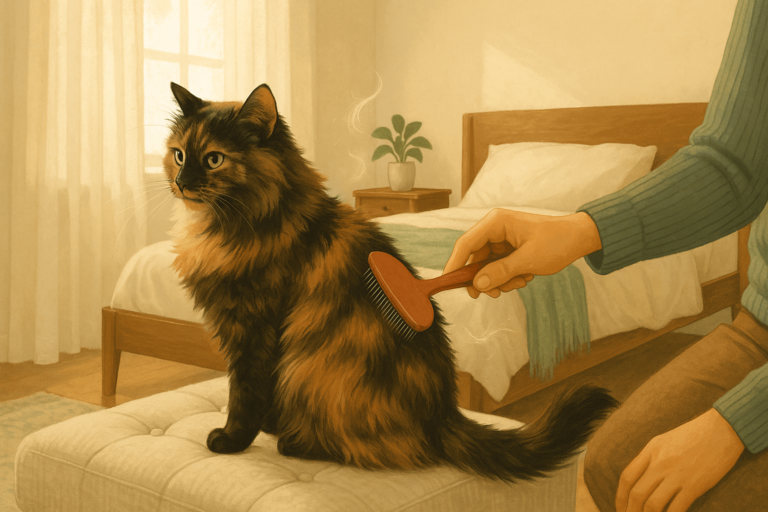
Safari’s self-cleaning slicker brush vs the Glendan pivoting-head slicker brush, compared head to head: what each mechanism actually does, which trouble spots each one covers, and which one fits your long-haired cat.
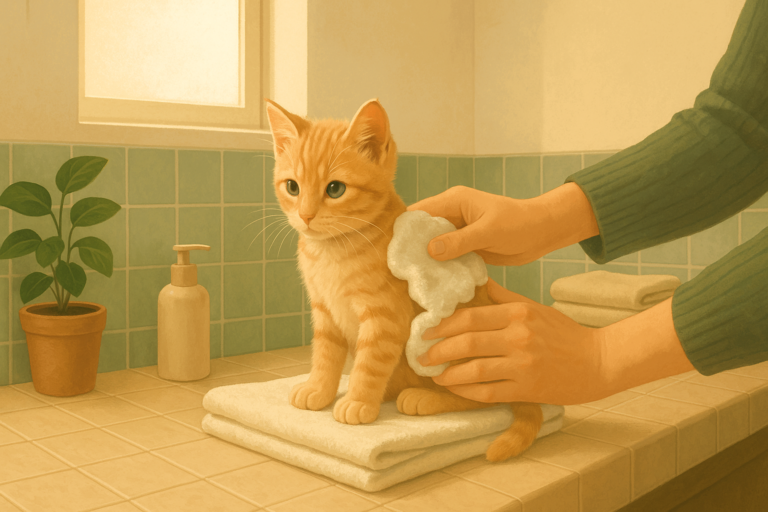
Most healthy cats never need a bath, wet or waterless. When a no-rinse foam does earn a spot in the cabinet, here are the two worth using and the one ingredient difference between them worth checking first.
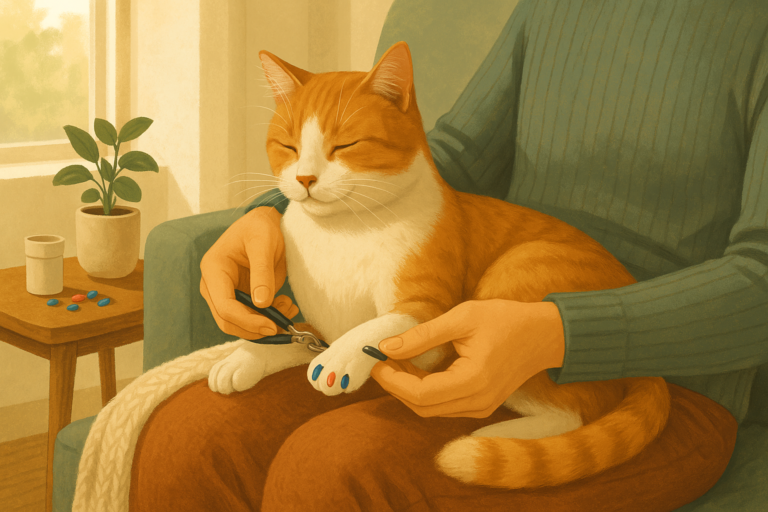
Nail caps are a legitimate declawing alternative when applied correctly and replaced on schedule, not a glue-it-and-forget fix. The two tracked options compared, and the one upkeep detail two Tier-1 sources don’t fully agree on.
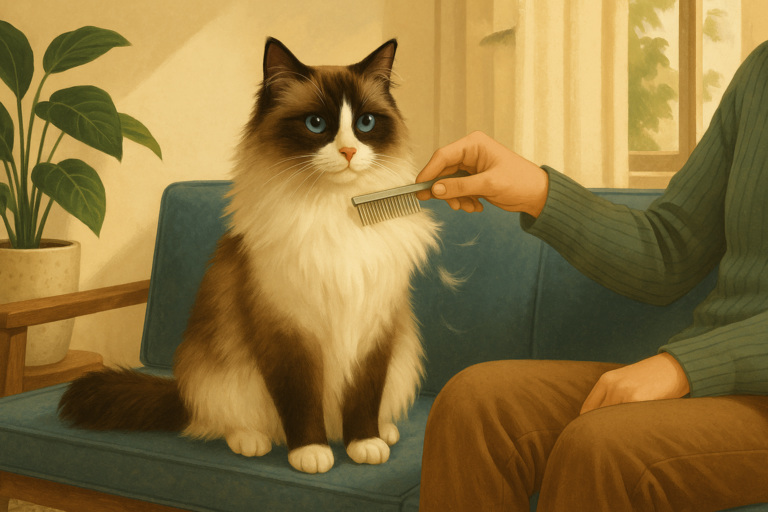
The Ragdoll coat mats less than most longhairs, but it still needs a real routine. Here is the ten-minute weekly comb-through, the friction zones people miss and when a mat or a shedding change is a vet call.
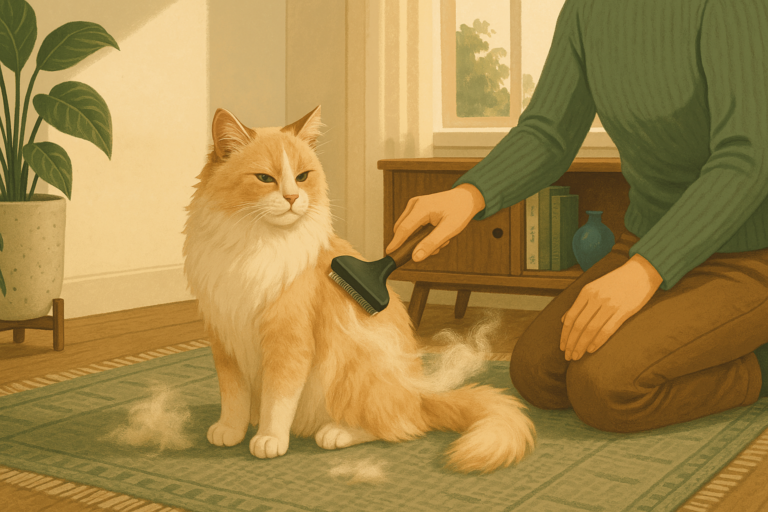
A long coat usually needs two grooming tools, not one: a deshedder for the loose undercoat and a dematting rake for the knots. Here are the deshedding brushes worth owning for a long-haired cat, sorted by the job each one does.