Best Omega-3 Supplements for Cats: 3 Picks for Coat and Skin
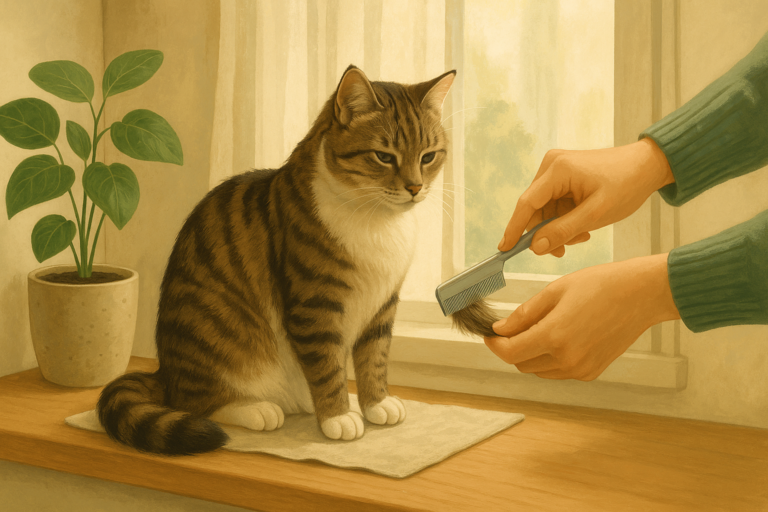
A dull, flaky coat was one of the more common things owners brought up at the front desk, usually a few sentences after the actual appointment reason. “She’s been shedding more than usual” or “his fur just doesn’t shine like it used to.” Sometimes that pointed to something bigger: an allergy, a thyroid issue, a diet that wasn’t balanced. Often, though, it was a cat on an otherwise fine diet whose skin barrier could use some backup. Omega-3 fatty acids are one of the better-supported ways to give it that backup. Here are the three I’d start from, and what the research actually says they can and can’t do.
As Amazon Associates we earn from qualifying purchases. Some links in this post are affiliate links; if you buy through them, we earn a small commission at no extra cost to you. We only recommend products we’ve used or researched thoroughly. See our full disclosure.
The three omega-3 supplements, at a glance

Nutramax Welactin Omega-3 Liquid
Pump-dispensed liquid fish oil · 4 oz bottle · the brand most clinics stock
- ✓ Pump top makes it easy to scale the dose to your cat’s weight
- ✓ Mixes into wet food without much fuss
- ✓ One of the longer-established fish oil brands in veterinary practice
- ✓ Budget-friendly per ounce
on Amazon
Price as of Sep 21, 2026, 9:21 AM EDT. Product prices and availability are accurate as of the date/time indicated and are subject to change.

VetriScience Omega Healthy Skin Capsules
Fixed-dose capsule · 90-count bottle · no measuring involved
- ✓ Same dose every time, no pump or dropper to manage
- ✓ Capsule breaks open easily over food for a cat that won’t take it whole
- ✓ No fishy pour smell in the kitchen the way liquids can have
- ✓ Formulated specifically around skin and coat support
on Amazon
Price as of Sep 21, 2026, 9:21 AM EDT. Product prices and availability are accurate as of the date/time indicated and are subject to change.

Nordic Naturals Omega-3 Cat
Pump-dispensed liquid · 2 oz bottle · from a human-supplement fish oil brand
- ✓ Small bottle suits a single-cat household or a first trial run
- ✓ From a brand with a long track record in human-grade fish oil sourcing
- ✓ Pump top, same dosing flexibility as Welactin
- ✓ Widely stocked
on Amazon
Price as of Sep 21, 2026, 9:21 AM EDT. Product prices and availability are accurate as of the date/time indicated and are subject to change.
Quick take:
- Cornell’s Feline Health Center describes fatty acid supplements as a low-level anti-inflammatory that can ease itching and dryness, while noting they help some cats and aren’t fully effective for every case.1
- Marine fish oil (EPA and DHA) works more reliably in cats than plant-based omega-3 sources like flaxseed, because cats convert plant ALA to the active forms poorly.2
- More isn’t automatically better. Research has flagged effects on platelet function and immune cell counts at high doses, and no official safe upper limit exists yet for cats.2
- Welactin and Nordic Naturals are the liquid picks for dose flexibility. VetriScience’s capsule is the pick for a cat who refuses anything poured over food.
- A coat that’s dull for weeks, paired with hair loss, open sores or constant scratching, is a vet visit before it’s a supplement.1
What omega-3s are actually doing for a cat’s skin
Skin cells rely on a supply of essential fatty acids to keep their membranes flexible and to hold moisture in. When a cat’s diet runs short on those fats, or the skin’s own barrier is already under stress from allergies or dry winter air, the coat is often the first place it shows: flaking, a duller shine, more shedding than usual. William Miller, VMD, a dermatology professor at Cornell’s College of Veterinary Medicine, describes the combination of omega-3 and omega-6 fatty acids as acting “like a botanical aspirin,” turning down the inflammatory signals that make a cat want to scratch.1 He’s also direct about the limits: fatty acid supplements can help, but they’re not a fix for every skin problem, and a cat with a genuine allergy or infection needs more than fish oil.
That distinction came up constantly at the clinic. An owner would start a fish oil supplement, see some improvement in shedding within a few weeks, and assume the case was closed. For a diet-related dullness, that’s often exactly how it plays out. For a cat with an underlying flea allergy or food intolerance, the coat would improve a little and then plateau, because the fatty acids were treating a symptom while the actual trigger sat untouched underneath.
Why the fish oil matters more than the flaxseed
Not every omega-3 source works the same way in a cat. A detailed 2011 review of fish oil therapy in companion animals, published in the Journal of the American Veterinary Medical Association, notes that cats convert the plant-based omega-3 (ALA, found in flaxseed and canola oil) into the active EPA and DHA forms at a low rate, unlike some other species.2 Practically, that means a flaxseed-oil supplement asks a cat’s body to do a conversion step it isn’t built to do efficiently. Marine fish oil skips that step, delivering EPA and DHA already in their usable form, which is why every product in this roundup is a fish oil, not a plant oil.
The same review is a useful reality check on dosing. Studies in healthy cats found that plasma levels of EPA and DHA rise with the dose up to somewhere around 600 to 700 milligrams a day combined, after which the body appears to plateau rather than absorb more.2 No formal safe upper limit has been set for cats the way it has for dogs, and a few studies at higher doses found measurable effects on platelet function and immune cell counts. The reviewer’s practical takeaway is caution above roughly 75 milligrams of combined EPA and DHA per kilogram of body weight daily without veterinary guidance, which for most cats is well above what a standard commercial supplement provides at label dose, but worth knowing before you decide more must be better.
The three I’d start from
Nutramax Welactin Omega-3 Liquid
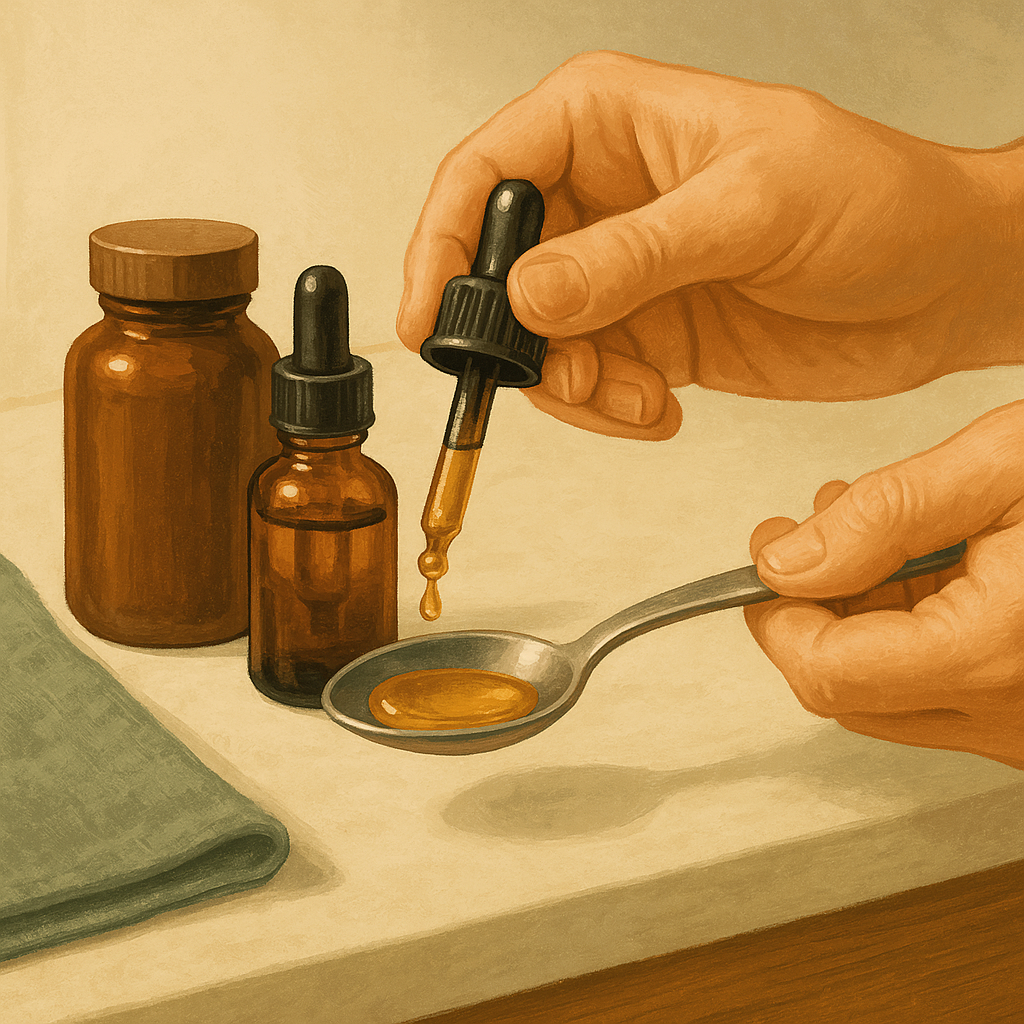
Welactin is one of the fish oil brands most clinics already have on the shelf, and the liquid pump format is the main reason. You can scale the dose up or down by the pump rather than guessing how much of a capsule to squeeze out, which matters if you have cats of different sizes or a vet who wants a specific milligram target. It mixes into wet food cleanly enough that most cats don’t notice, though a strongly scented fish oil can put off a genuinely picky eater.
VetriScience Omega Healthy Skin Capsules
VetriScience’s Omega Healthy Skin capsules solve the opposite problem: no pump, no measuring, no fishy pour smell in the kitchen. Each capsule is a fixed dose, and it opens easily if you’d rather sprinkle the contents over food than get a cat to swallow it whole. This is the one I’d reach for with a cat who’s suspicious of anything liquid added to their bowl, or an owner who just wants a set-and-forget routine.
Nordic Naturals Omega-3 Cat
Nordic Naturals built its name on human fish oil supplements before extending the line to pets, and the cat formula keeps the same pump-dispensed liquid format as Welactin. The smaller 2 oz bottle is a reasonable way to try a fish oil supplement for the first time without committing to a large bottle, or for a single-cat household where a bigger bottle would sit around losing freshness before it’s used up.
When it’s a supplement and when it’s a vet visit
A fish oil supplement is a reasonable first move for a coat that’s lost some shine or a cat shedding a bit more than usual, with no other symptoms in the picture. It stops being the right first move once the skin itself looks compromised: bald patches, open sores, scabbing, or scratching intense enough to break skin. Cornell’s guidance is clear that allergic skin disease “won’t go away” on its own and needs a veterinarian to identify the actual trigger, whether that’s fleas, food or an environmental allergen.1 If you’ve been supplementing for 30 days with no change, that’s the same signal: stop guessing and get the skin looked at directly.
The bottom line
Omega-3 fish oil is a well-supported, low-risk way to support a cat’s skin and coat, and marine sources work far better in cats than plant-based ones. Welactin and Nordic Naturals give you dosing flexibility through a liquid pump, VetriScience’s capsule is the fuss-free option for a cat who won’t touch liquid on food, and none of them are a substitute for a vet visit if the skin itself looks compromised rather than just a little dull.
Sources
- Cornell Feline Health Center, “The Challenge of Skin Disorders”
- Bauer, “Therapeutic Use of Fish Oils in Companion Animals,” Journal of the American Veterinary Medical Association
TheCatWellness is reader-supported and we are not veterinarians. This article is general information, not medical advice for your individual cat. If your cat’s skin shows sores, bald patches or persistent scratching, talk to your vet.