Royal Canin vs Hill’s Science Diet: which one fits your indoor cat?
Walk into almost any vet clinic and you’ll see two brands on the shelf behind the desk: Royal Canin and Hill’s Science Diet. I spent several years working intake at a small-animal clinic, and these were the two names owners asked me to compare more than any other. They’d hold up a phone with one bag on the screen and a different bag in the photo roll and ask which one was right. The short answer: neither brand is universally better. They’re built on the same regulatory floor and solve slightly different problems. Royal Canin wins when your cat needs something specific. Hill’s Science Diet wins when it doesn’t. Here’s how to tell which situation you’re in.
As Amazon Associates we earn from qualifying purchases. Some links in this post are affiliate links; if you buy through them, we earn a small commission at no extra cost to you. We only recommend products we’ve used or researched thoroughly. See our full disclosure for details.
How they compare at a glance

7 lb bag · for indoor cats 1 to 7 years
- ✓ Calories adjusted for lower-activity indoor cats
- ✓ Balanced fiber blend aimed at hairball control
- ✓ Formulated to support stool quality and reduce odor
- ✓ Deepest range of breed and condition specific formulas
on Amazon
Price as of Sep 21, 2026, 9:21 AM EDT. Product prices and availability are accurate as of the date/time indicated and are subject to change.
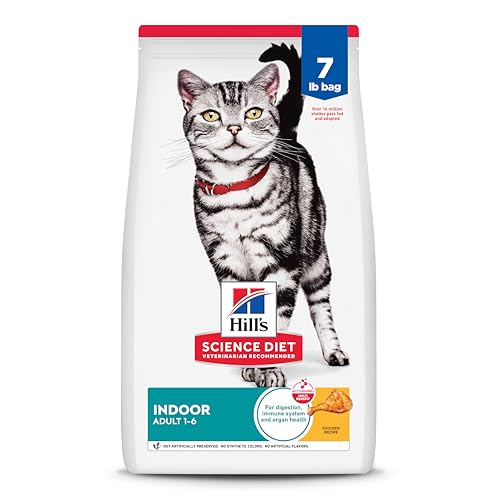
Hill’s Science Diet Indoor Adult Dry
7 lb bag · chicken · for adult cats 1 to 6 years
- ✓ Natural ingredients, no artificial colors or flavors
- ✓ Highly digestible for easy nutrient absorption
- ✓ Vitamin E and omega-6 for skin and coat
- ✓ Lower price than the comparable Royal Canin bag
on Amazon
Price as of Sep 21, 2026, 9:21 AM EDT. Product prices and availability are accurate as of the date/time indicated and are subject to change.
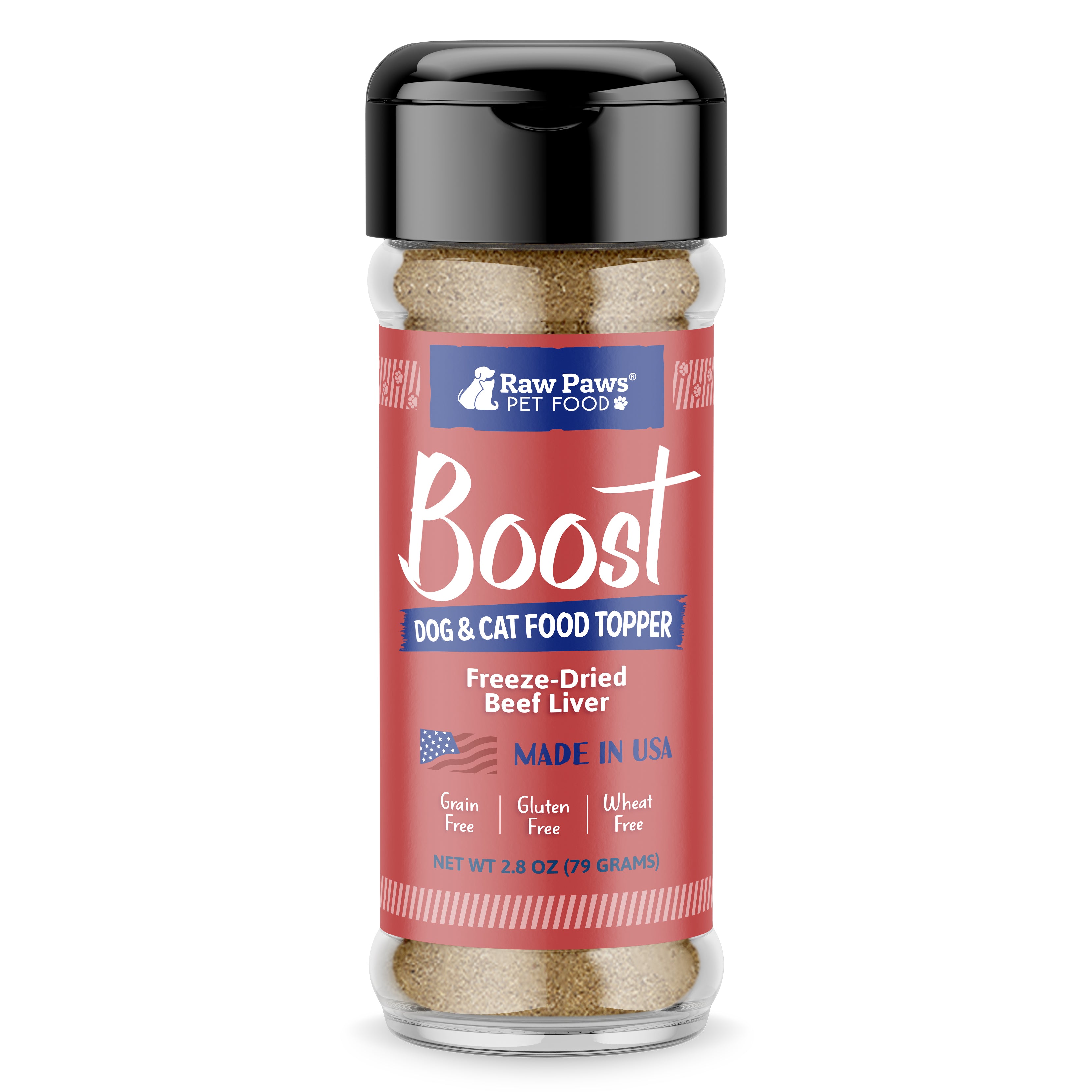
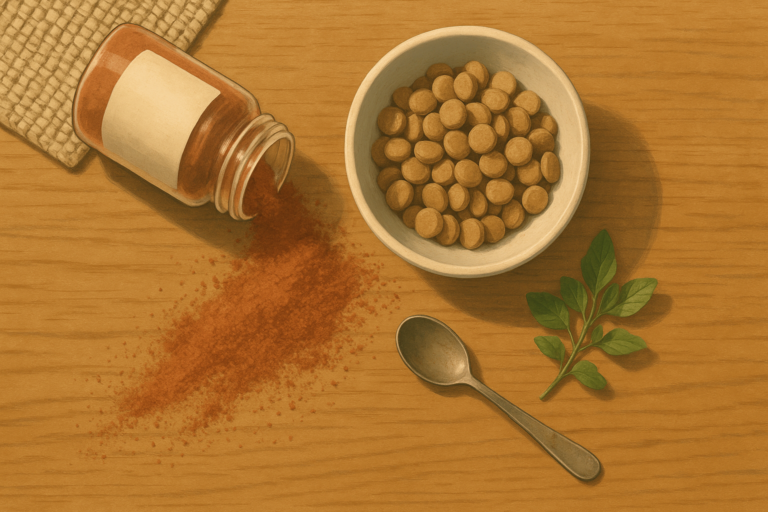
Boost Freeze Dried Beef Liver Topper (Raw Paws)
3.2 oz shaker jar · single-ingredient beef liver · sprinkle over either pick above
- ✓ Single-ingredient: freeze-dried beef liver, nothing else added
- ✓ Works as an add-on to whichever food you choose above — not a replacement
- ✓ No preservatives, fillers, flavors or colors
- ✓ Also available in a Wisconsin cheddar cheese recipe for a milder scent
on Raw Paws Pet Food
Price as of Sep 21, 2026, 9:21 AM EDT. Product prices and availability are accurate as of the date/time indicated and are subject to change.
| Royal Canin Indoor Adult | Hill’s Science Diet Indoor Adult | Staff Pick: Beef Liver Topper | |
|---|---|---|---|
| Formula approach | Precisely measured, some hydrolyzed-protein options | Simple, recognizable ingredient list | Single-ingredient freeze-dried beef liver, sprinkled over either dry food rather than replacing it |
| Wet food protein | Runs higher on most comparable cans | Runs lower on most comparable cans | N/A — a dry-food topper, not a wet food |
| Typical price | Higher, gap widens on wet food | Lower on most comparable bags | $13.99 per 3.2 oz jar |
| Formula range | Deep: breed, life-stage and condition specific | Narrower, general-purpose lines | One recipe (beef liver); a cheddar-cheese version is also available |
| Best fit | A cat with a known breed quirk or condition a formula targets | A healthy cat where price and simplicity matter more | A cat eating either formula above out of habit rather than enthusiasm |
The short version
- Both are complete and balanced. Each brand’s retail food meets the AAFCO nutrient standard for its stated life stage, so neither one is leaving your cat short on the basics. [1][2]
- Royal Canin‘s edge is specificity. Breed-specific and life-stage-specific formulas, with kibble shaped for how a particular cat eats. Useful if your cat fits one of those niches.
- Hill’s Science Diet leans on a simpler “natural” retail story. No artificial colors, flavors or preservatives, with a slightly lower price on most dry formulas.
- Price runs higher for Royal Canin on most comparable bags and cans, and the gap widens on wet food.
- The prescription lines are a separate conversation. Hill’s Prescription Diet and Royal Canin’s veterinary range are regulated differently and need your vet’s direction, not a comparison article’s. [3]
- For a healthy indoor cat, the deciding factors are usually wet-vs-dry, calorie control and which food your cat will actually eat, more than the logo on the bag.
In this guide
Who makes them, and why that matters ·
What “complete and balanced” guarantees ·
Ingredients and protein ·
Price ·
Which one fits an indoor cat ·
How I compared them ·
Common questions ·
When to talk to your vet
Who makes them, and why that matters a little
Hill’s is owned by Colgate-Palmolive. Royal Canin is owned by Mars, the same parent company behind several large pet-food and pet-care businesses. That’s worth knowing for one practical reason: both companies run their own formulation teams, feeding-trial facilities and quality programs. You’re not comparing a scrappy startup to a giant. You’re comparing two giants with deep R&D budgets and long track records of consistent, batch-to-batch food. When people ask me whether either brand is “trustworthy,” that’s the part I point to first. Consistency and testing capacity matter more than marketing language.
Each company also makes two tiers. There’s the retail line you can buy yourself (Science Diet, and Royal Canin‘s general range), and there’s the veterinary line a vet has to authorize. People mix these up constantly. The bag of Science Diet at the pet store is not the same as a Hill’s Prescription Diet formula, even though the parent brand is identical.
What “complete and balanced” actually guarantees
Before splitting hairs on ingredients, it helps to know what the label already promises. Both brands carry an AAFCO statement of nutritional adequacy. For a food to claim “complete and balanced,” it has to either meet AAFCO’s nutrient profile for cats or pass an AAFCO feeding trial for the relevant life stage. [2] Cats are obligate carnivores, which means they need nutrients like taurine, preformed vitamin A and arachidonic acid that come from animal tissue, and a complete-and-balanced food is formulated to deliver them. [1] So when I hear “is Royal Canin even real cat food,” the answer is yes. So is Science Diet. The floor is the same.
The differences live above that floor. They show up in protein sources, fiber, calorie density and how a formula is tuned for a specific cat.
Ingredients and protein
On dry food, the two brands land close together on crude protein. The bigger contrast is philosophy. Royal Canin uses precisely measured protein sources, including dehydrated poultry and, in some formulas, hydrolyzed proteins broken down to be gentler on sensitive cats. A few Royal Canin recipes include grains like corn or wheat, which bothers some owners, though grain itself isn’t a problem for most cats. Hill’s Science Diet markets its retail food on the “no artificial colors, flavors or preservatives” angle and a recognizable ingredient list. That’s a real advantage if simplicity matters to you: fewer ingredients to look up, less label-reading.
Wet food is where they separate more. Royal Canin’s canned and pouch formulas tend to run higher in protein than the comparable Science Diet wet food. If you’re feeding wet for hydration and want the higher-protein option, that’s a real, checkable difference on the guaranteed analysis panel, not a marketing line.
Price
Royal Canin generally costs more. A mid-size bag of Royal Canin dry food usually sits a notch above the equivalent Science Diet bag, and the wet-food gap is wider. Over a year of feeding an indoor cat, that adds up. Whether the premium is worth it depends entirely on whether your cat needs the thing you’re paying for, which for Royal Canin is usually breed or condition specificity. For a healthy adult cat with no special needs, you’re often paying for precision you don’t need, and Hill’s straightforward pricing is the genuinely better deal.

Which one fits an indoor cat
This is the part the brand comparison usually skips. Indoor cats move less, so they burn fewer calories and put on weight more easily than the marketing photos suggest. Both brands make an “indoor” formula built around that reality, with calorie control and fiber aimed at hairball management. If your cat is a typical apartment cat (sedentary, prone to a little extra padding, the occasional hairball), either brand’s indoor line is a reasonable pick. I’d choose based on three things in this order: whether your cat will eat it, whether it keeps weight in a healthy range and price. The logo comes last.
Royal Canin pulls ahead when your cat is a specific breed with a known quirk, or has a condition that one of its targeted formulas addresses. Science Diet pulls ahead when you want a straightforward, widely stocked food at a slightly friendlier price. Neither is a mistake.
A note on the prescription versions
If your vet has recommended a therapeutic diet, the retail comparison above mostly doesn’t apply. Foods marketed to manage a disease are regulated as more than ordinary pet food, and the guidance is that they’re distributed under veterinary direction rather than chosen off a shelf by brand preference. [3] So if you’re weighing Hill’s Prescription Diet against a Royal Canin veterinary formula for a cat with kidney or urinary issues, that’s a conversation with your vet about your specific cat, not a question this page should answer for you.
How I compared them
This is a researched comparison, not a feeding trial: I haven’t run these two foods side by side in my own home, so I won’t claim I did. What I did do is read each brand’s AAFCO statement of nutritional adequacy, line up the guaranteed analysis panels for the indoor dry formulas and the comparable wet lines and check current pricing across multiple retailers rather than one. I weighed that against the pattern I saw for years at intake, where these were the two bags owners brought in most, and the questions were almost always the same three: is my cat getting enough protein, is the price worth it and which one she’ll eat. Both brands are AAFCO complete and balanced and both run credible formulation programs, so where they genuinely tie, I’ve said so instead of manufacturing a difference. Where one has a real edge, Royal Canin on formula specificity and wet-food protein, Hill’s on price and ingredient simplicity, I’ve named it plainly rather than picking one winner across the board.
Common questions
Can I switch between the two, or mix them?
Yes, but do it gradually. Mix a little of the new food into the old over seven to ten days, since a sudden switch is a common trigger for stomach upset in cats regardless of which two brands are involved. [1]
Which one is better for a cat that needs to lose weight?
Neither has an inherent edge for a healthy cat on a standard indoor formula. Both are calorie-controlled versions of their adult line. Portion size and how you’re measuring it will move the needle more than the brand choice.
Are the wet and dry versions of each brand nutritionally the same?
No. Even within one brand, wet and dry formulas of the “same” product line can differ on protein percentage and calorie density, since wet food’s moisture content changes the math. Check the guaranteed analysis panel on the specific bag or can, not just the product name.
When to talk to your vet
Switching brands is usually low stakes, but loop in your vet before you change food if your cat has a diagnosed condition, is on a therapeutic diet, or is very young, pregnant or senior. Call sooner rather than later if a food change is followed by vomiting, diarrhea that lasts more than a day or two, or a cat who stops eating. A cat that refuses food for more than about 24 hours is a medical concern in its own right, separate from which brand you picked. [1]
The bottom line
- Choose Royal Canin if your cat is a specific breed with a known quirk, has a condition one of its targeted formulas addresses or you want the deepest wet-food protein option.
- Choose Hill’s Science Diet if your cat is healthy with no special needs and you want a straightforward formula at a friendlier price.
They’re two well-tested foods built on the same nutritional floor. The right one is the one your particular indoor cat does well on, not the one with the bigger marketing budget.
Sources
More cat food guides
- The Best Kitten Foods: 3 Picks That Meet the Growth Standard
- Best dry foods for senior cats: the two real options
- The Best High-Protein Dry Cat Foods for Indoor Cats
- Best indoor cat food: 5 formulas that account for a life spent mostly on the couch
- Instinct Raw Boost vs Blue Buffalo Wilderness: which grain-free kibble for your indoor cat?
- Stella & Chewy’s vs Primal freeze-dried: which raw food fits your indoor cat?
- Stella & Chewy’s Magical Dinner Dust Review: Does a Freeze-Dried Topper Fix a Picky Eater?
- The Quest cat food recall: what happened, and what I’d feed instead