
Cat health red flags: when to call the vet, and when it can wait
I worked the intake desk at a small-animal clinic for a few years, which mostly meant I was the first person an owner reached on the worst morning of their week. The question underneath almost every call was the same one, and it was rarely asked out loud: is this a wait-and-see, or do I need to be in the car right now? Cats make that question hard. They are built to hide pain and illness, a holdover from being both a small predator and easy prey, so a cat can feel genuinely awful and still show you very little.4 By the time something looks obvious, it has often been building for a while.
So this page is a sorting tool, not a diagnosis. It splits the signs that send you to the clinic tonight from the ones that mean a call in the morning, and from the slow shifts worth a booked visit. If you live with an indoor cat, you have an advantage most people underrate: you see the food bowl and the litter box every single day, which means you hold the data that catches trouble early. The trick is knowing which readings can’t wait.
The short version
- Go now (emergency): trouble breathing or open-mouth breathing, a male cat straining in the box with little or no urine, collapse, a seizure that won’t stop, repeated retching with a swollen belly, suspected poison, heavy bleeding or pale, white or bluish gums.
- Call today: hasn’t eaten in about a day, vomiting or diarrhea that keeps going, sudden hiding or limpness, a new limp, a weepy or squinting eye or a clear jump in drinking and peeing.
- Book a visit soon: a slow slide in weight, a dull or unkempt coat, bad breath and small, steady changes in appetite or mood.
- A two-minute home check covers most of it: gums, resting breathing rate, the litter box and the scale.
A reader who stops here already has the map. The rest is how to read each signal, and why cats make you work for it.
Why your cat hides it, and why that makes you the alarm
A sick cat’s instinct is to act normal. In the wild, looking weak invites a challenge or a predator, so cats evolved to mask discomfort until they can’t anymore. That instinct doesn’t switch off in a warm apartment, and it’s the single biggest reason feline illness gets caught late.4 Your cat won’t tell you she feels off. She’ll just get a little quieter, eat a little less, spend more time under the bed and hope you don’t notice.
This is where being an indoor-cat owner pays off. An outdoor cat can hide a symptom for days in the garden and you’re none the wiser. Indoors, you notice the water bowl draining faster, the untouched breakfast, the clumps in the box that are too big or too small. You are the monitoring system. The sections below are about turning what you already see into the right level of urgency.
Go now: the signs that can’t wait
These are the true emergencies. If you see one, the plan is to call the nearest open clinic and head in, not to wait until morning.
She’s struggling to breathe
Cats breathe through the nose, quietly, with barely any effort. So open-mouth breathing, panting like a dog or a cat sitting with her elbows out and neck stretched to pull in air is a red flag that needs a vet immediately.1 A useful home number: a calm, resting or sleeping cat breathes somewhere between 15 and 30 times a minute, and a resting rate that stays above 30 is considered abnormal.3 Count the rise and fall of the chest for 30 seconds and double it. If she’s laboring, don’t stress her further trying to examine her. Get in the carrier and go.
He’s straining in the litter box with nothing coming out
This is the one I most want indoor owners to know cold, because you’re the person positioned to catch it. A male cat making frequent trips to the box and passing little or no urine may have a urinary blockage, and that is a genuine emergency.1 Male and neutered-male cats are at higher risk because their urethra is longer and narrower, so it plugs more easily.2 A full obstruction backs pressure up to the kidneys and can cause acute kidney failure, extreme suffering and death within a day or two if it isn’t relieved.1 Cats in this spot often cry in the box, lick at themselves or squat again and again with nothing to show for it. If that’s what you’re seeing, this is a tonight problem, not a tomorrow one.
Collapse, a seizure that won’t stop or a swollen painful belly
A cat who collapses or won’t stay conscious needs help right away, whether or not there’s shaking involved.1 Most seizures run under two minutes. One that lasts more than five, or several stacked back to back, calls for immediate treatment to prevent lasting harm.1 A belly that’s suddenly bloated, tense and painful, especially paired with unproductive retching, also belongs in the go-now column. When in doubt on any of these, the phone call to the clinic costs nothing and settles the question fast.
Suspected poison, heavy bleeding or pale gums
Some household staples are serious feline poisons. Lilies and antifreeze top the indoor list, and the early signs of poisoning can include vomiting, drooling, unsteadiness or seizures.1 If you think your cat ate something toxic, bring the packaging and call ahead rather than waiting for symptoms. Heavy bleeding you can’t quickly control is an emergency too. So are the signs of shock: pale, white or bluish gums, fast breathing, a weak pulse and cool paws and ears.1 Healthy cat gums are pink and moist, so a color that’s drained out is a fast, reliable warning worth knowing.
Call today: urgent, but you have hours
These signs don’t usually mean a midnight dash, but they shouldn’t ride out the weekend either. A same-day or next-morning call is the right speed.
She’s stopped eating. A cat who eats almost nothing for a day or two isn’t only hungry, she’s at real risk. When a cat stops taking in food, her body starts moving fat to the liver faster than the liver can handle, which can trigger hepatic lipidosis, a dangerous and sometimes fatal liver condition.5 Overweight cats are especially vulnerable. A full day of refusing food, or several days of eating far less than usual, earns a vet call. We’ve written more on the line between a picky phase and a real problem in when a cat suddenly won’t eat and, for recovery cases, appetite after an illness.
Vomiting or diarrhea that keeps going. A single hairball or one loose stool isn’t an alarm. Repeated or continuous vomiting or diarrhea is, because cats dehydrate quickly, and it can point to poisoning, an obstruction or an infection. Call if there’s blood, if it runs past 6 to 12 hours or if your cat goes weak or unresponsive alongside it.1
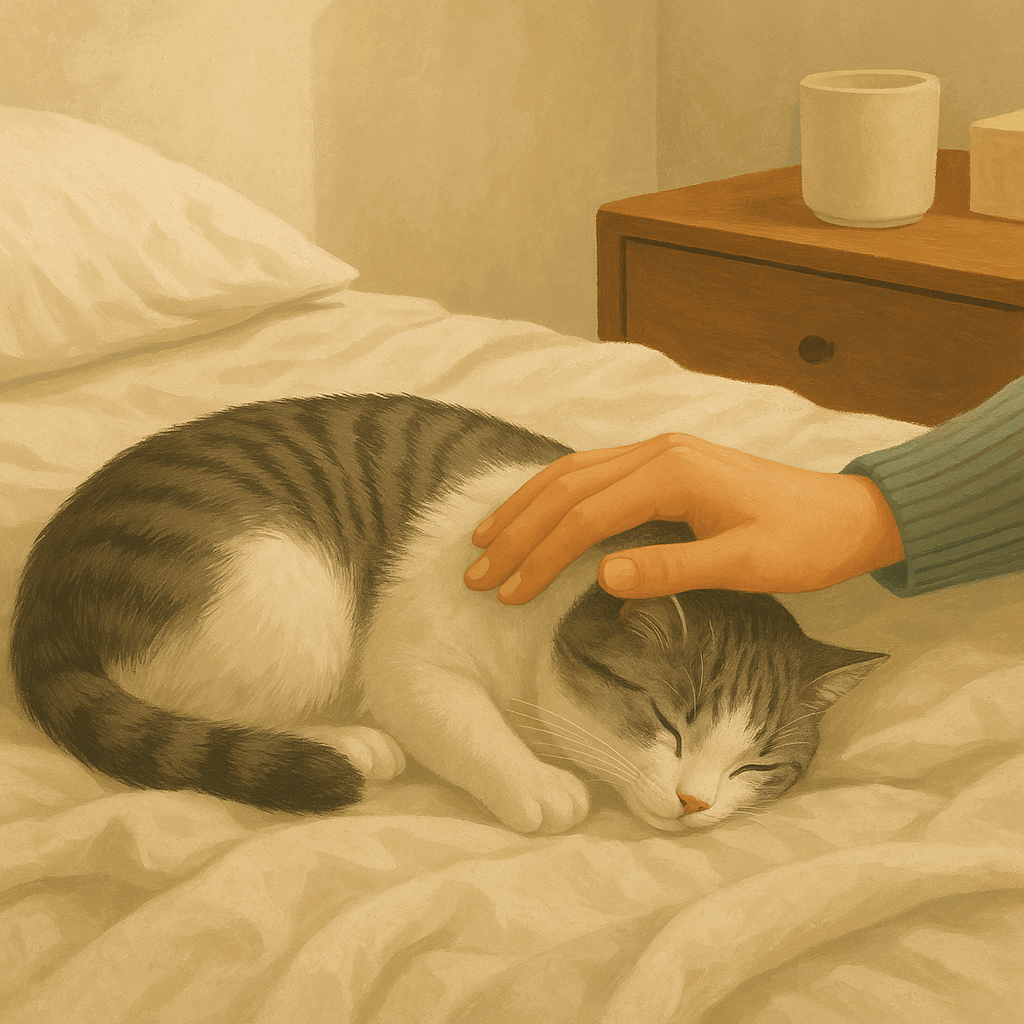
Sudden hiding, limpness or a new limp. A cat who vanishes under the bed and stays there, goes flat and unresponsive or won’t put weight on a leg is telling you something hurts. Add a squinting, cloudy or weepy eye to the call-today list as well, since eye problems can worsen fast and are painful.1
A clear jump in drinking and peeing. If the water bowl is suddenly emptying and the litter clumps are bigger, don’t wait it out. That pattern shows up with kidney disease, diabetes and thyroid trouble, all of which do far better caught early. Our piece on kidney disease in indoor cats covers why the early, quiet version is the one to catch, and the signs of dehydration that hide indoors.
Book a visit soon: the slow signals
The quiet, gradual stuff is easy to explain away, and it’s exactly what cats count on. A slow slide in weight over a few months, a coat that’s gone dull or unkempt because grooming hurts or takes too much energy, persistent bad breath and small steady changes in appetite, sleep or temperament all deserve a booked appointment even when your cat seems basically fine. None of these prove anything on their own. Together, or trending in one direction, they’re worth a professional look. Behavior changes count here too. A cat who suddenly stops using the box, or a friendly cat who turns withdrawn, is often flagging a body problem, which is why we treat litter box changes and shifts in eating behavior as health questions first, not just habits.
The two-minute home check
You don’t need equipment to gather useful information before you call. Four quick reads tell a vet a lot:
- Gums. Lift the lip. Pink and moist is normal. White, pale, bluish or brick-red means call now.1
- Breathing. Count breaths while she rests. Under 30 a minute is normal territory, over 30 at rest is a flag.3
- The litter box. This is your indoor superpower. Note straining, blood, going outside the box or a male cat producing almost nothing.
- The scale. A monthly weigh-in (weigh yourself, then yourself holding the cat and subtract) catches the slow losses your eyes miss.
When to talk to your vet
Head in immediately for trouble breathing, a male cat straining with no urine, collapse, a seizure lasting more than five minutes, suspected poisoning, heavy bleeding or gums that have lost their color. Call the same day if your cat hasn’t eaten in about a day, is vomiting or having diarrhea repeatedly, has gone into hiding, is limping or has a painful eye. Book a routine visit for the slow drifts in weight, coat, breath and mood. When you genuinely can’t tell which bucket you’re in, treat the call itself as the safe move. A good clinic would far rather talk you down over the phone than see you a day too late, and you know your own cat’s normal better than anyone. That baseline is the most valuable thing you bring to the conversation.
The bottom line
Cats are experts at looking fine, so the job isn’t to panic at every sneeze. It’s to know the short list of things that can’t wait, keep half an eye on the bowl and the box and trust the shift you feel when your cat stops being herself. Most days it’s nothing. On the day it isn’t, knowing which column you’re in is what buys the time that matters.