How often should I scoop and clean the litter box?
Scoop at least once a day, twice is better, since cats are clean animals and a soiled box is a leading reason they start going elsewhere

Scoop at least once a day, twice is better, since cats are clean animals and a soiled box is a leading reason they start going elsewhere
Comb a few specks onto a damp white paper towel
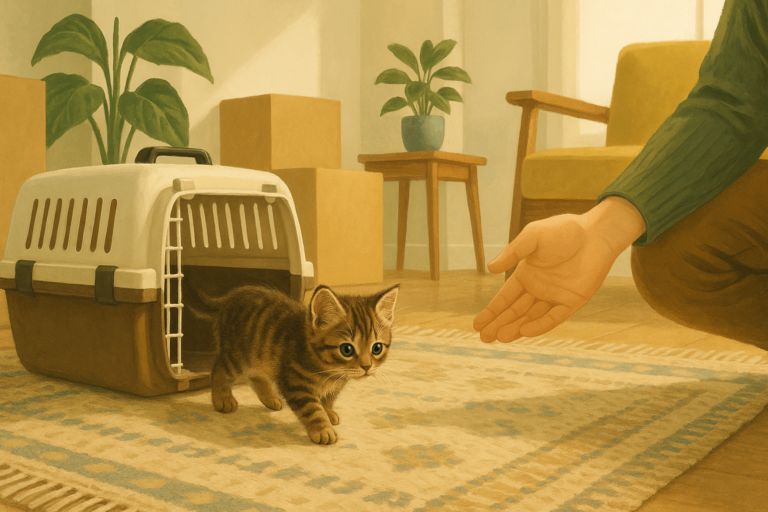
A no-panic checklist for first-time kitten owners: the supplies to set up before pickup, the vet and vaccine schedule, spay/neuter timing, feeding, and the socialization window that’s already closing when your kitten comes home.
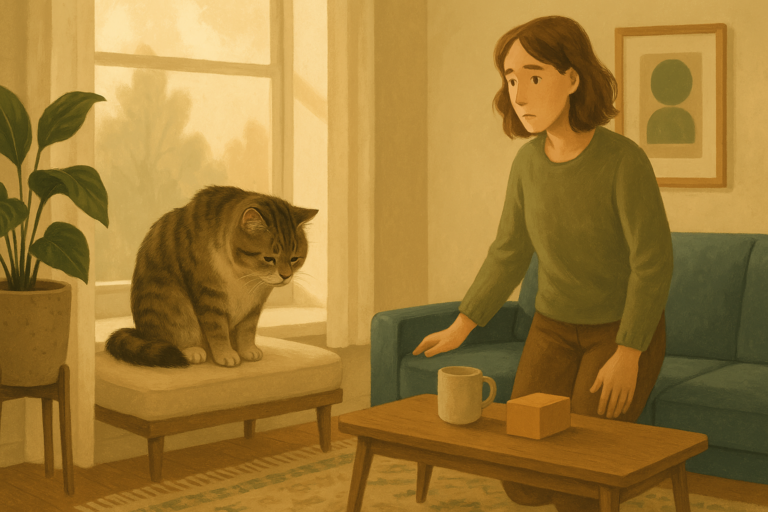
Cats hide illness, so knowing which signs can’t wait is half the battle. A plain triage guide to feline red flags: the emergencies to act on tonight, the signs that warrant a same-day call and the slow changes worth a booked visit.
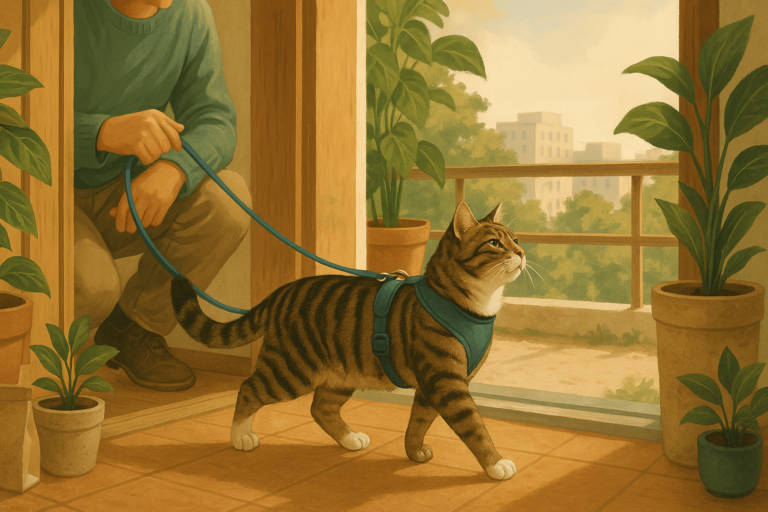
Leash training gives an indoor cat safe access to the outside world, but not every cat is a candidate. A step-by-step, go-at-your-cat’s-pace guide to the harness, the method and the safety prep before you open the door.
Usually it’s the speed, not the water
Most splashers are playing or pawing at water they find more interesting when it moves
Not inherently
Most cats prefer an unscented, fine-grained clumping litter that feels soft under their paws, close to the sandy texture they’d choose in nature
Classic ringworm shows up as a round patch of hair loss with flaky, crusty or reddened skin, often on the head, ears or paws, though it doesn’t…